
Wide selection & availability

Flexible, easy and fast

Transparent pricing
Trusted by travelers












Rome Fiumicino Car Rental: How to Dodge Fines, Skip the Scams, and Actually Enjoy the Drive
The baggage claim at Rome Fiumicino (FCO) is an endurance sport. You’ve just landed, your internal clock is screaming that it’s 3 AM, and the Mediterranean heat is already seeping through the terminal glass. You can smell the rich, dark scent of espresso from a nearby Lavazza stand, mixing with the nervous sweat of a hundred jet-lagged tourists waiting for Carousel 8 to finally start moving.
You just want to grab your keys, escape the terminal, and point your car toward the Italian countryside.
But let’s hit pause.
Because between you and that sun-drenched drive to Tuscany lies the absolute gauntlet of the airport rental car ecosystem. I’ve done this exact routine more times than I can count. I’ve paid the stupid fines, I’ve argued with the desk agents, and I’ve dragged my luggage entirely too far. I want to save you from making the same expensive mistakes.
The Short Version: Everything you need to know in 30 seconds
- Where are the desks? They are not in the terminal. You have to walk 10-15 minutes through elevated, covered tunnels to Torre Uffici 2 (Office Tower 2). Follow the “Autonoleggi” (Rent-a-Car) signs.
- How’s the shuttle situation? The major brands (Hertz, Europcar, Avis car rental, Sixt) have cars waiting in the attached parking garages (Buildings A, B, or C). True budget brands often require finding a shuttle bus outside Departures, which is an Olympic-level test of patience.
- Paperwork you’ll actually need: Passport, your home driver’s license, an International Driving Permit (IDP) if your license is from outside the EU, and a physical credit card in the main driver’s name. Debit cards will ruin your day.
- A realistic price expectation: €25–€45/day for a manual compact in spring or fall. Add €10-€15/day for an automatic, and expect prices to easily double in July and August.
The baggage claim at Rome Fiumicino (FCO) is an endurance sport. You’ve just landed, your internal clock is screaming that it’s 3 AM, and the Mediterranean heat is already seeping through the terminal glass. You can smell the rich, dark scent of espresso from a nearby Lavazza stand, mixing with the nervous sweat of a hundred jet-lagged tourists waiting for Carousel 8 to finally start moving.
You just want to grab your keys, escape the terminal, and point your car toward the Italian countryside.
But let’s hit pause.
Because between you and that sun-drenched drive to Tuscany lies the absolute gauntlet of the airport rental car ecosystem. I’ve done this exact routine more times than I can count. I’ve paid the stupid fines, I’ve argued with the desk agents, and I’ve dragged my luggage entirely too far. I want to save you from making the same expensive mistakes.
The Short Version: Everything you need to know in 30 seconds
- Where are the desks? They are not in the terminal. You have to walk 10-15 minutes through elevated, covered tunnels to Torre Uffici 2 (Office Tower 2). Follow the “Autonoleggi” (Rent-a-Car) signs.
- How’s the shuttle situation? The major brands (Hertz, Europcar, Avis car rental, Sixt) have cars waiting in the attached parking garages (Buildings A, B, or C). True budget brands often require finding a shuttle bus outside Departures, which is an Olympic-level test of patience.
- Paperwork you’ll actually need: Passport, your home driver’s license, an International Driving Permit (IDP) if your license is from outside the EU, and a physical credit card in the main driver’s name. Debit cards will ruin your day.
- A realistic price expectation: €25–€45/day for a manual compact in spring or fall. Add €10-€15/day for an automatic, and expect prices to easily double in July and August.
The Reality Check: Read This Before You Turn the Key
Look. I love Italy. I really do. But the bureaucracy at an Italian car rental desk is enough to break the human spirit.
By the time you finally make it to the desk, you are tired and vulnerable. The counter agents know this. They will look at you with deep, theatrical concern and insist that without their €30/day extra insurance, a stray pebble on the Autostrada will bankrupt your bloodline.
Here is the brutal truth about driving out of Fiumicino that the glossy travel blogs conveniently leave out:
- The ZTL Nightmare: This is the big one. Zona a Traffico Limitato. Central Rome (and almost every historic Italian town) is strictly off-limits to unauthorized cars. There are no boom gates. There are just discreet white signs and ruthless camera systems. If you drive past one, you get a ticket. If you drive past it again three minutes later trying to turn around, you get another ticket. The fines are €80 to €300 a pop. Worse, your rental company will charge your credit card a €40-€50 “administrative fee” just for the privilege of handing your name over to the local police. Do not try to drive near the Colosseum.
- The Toll Booth Panic: You will eventually hit the A1 or A12 highway and encounter a massive toll plaza (the Casello). Do not panic. And whatever you do, do not drive into the yellow lane marked “Telepass” unless your rental explicitly includes an electronic toll transponder (they rarely do). Head for the white lanes with the cash or credit card symbols. Keep a stack of €1 and €2 coins in the cupholder; it is infinitely faster than dealing with a US credit card that suddenly decides to demand a PIN at the worst possible moment.
- The “Automatic” Upcharge: Italians drive manual transmission cars. If you cannot drive a stick shift, you must book an automatic well in advance, and you will pay a steep premium for it. If you show up hoping for a free upgrade to an automatic, you will be leaving the airport on a train.
The Long March to Torre Uffici 2
Whether you land at Terminal 1 (flights within the Schengen zone) or Terminal 3 (transatlantic and international flights), the process is identical.
You do not simply step outside and find your car. Once you clear customs, you need to follow the yellow signs for “Autonoleggi” (car rental). You will take escalators up, walk across elevated pedestrian bridges, and ride several moving walkways. It is a solid 10 to 15-minute trek. You will eventually pop out into Torre Uffici 2, which looks like a massive, chaotic banking hall filled with rental counters.
Where the brands actually live:
| Rental Company | Location at FCO | The Vibe |
| Sixt, Hertz, Europcar, Avis/Budget | Torre Uffici 2 (Desks) & Multilevel Parking A/B/C | Efficient but expensive. You sign the paperwork and walk straight out to your car in the garage. |
| Locauto, Sicily by Car, Noleggiare | Torre Uffici 2 (Desks) & Multilevel Parking | Italian franchises. Usually solid prices, but the lines can move at a glacial pace. |
| Centauro, Record Go, OK Mobility | Off-Airport (Shuttle Required) | Dirt cheap base rates online, but finding the shuttle outside is chaotic, and they upcharge aggressively at the desk. Eksportuoti į Skaičiuokles |
Size Matters: What Kind of Car Do You Really Need?
Americans often fly into Rome, take one look at a Fiat Panda, and immediately demand a mid-size SUV.
Please, do not do this.
I ride a lot. My routine is pretty structured: an easy hour-long Zone 2 spin a couple of times a week, a brutal hill climb to hit Zone 4, and a long, pleasant ride on the weekend—like my usual 5-hour trek. So, for a trip to the Sabine Hills outside Rome, I naturally brought my road bike packed in a massive hard-shell travel box.
I had booked a sleek Alfa Romeo Giulietta because I wanted to feel vaguely cinematic on the winding roads. I spent 40 minutes sweating profusely in the concrete sauna of Parking Building B, aggressively folding down seats and trying to shove this colossal box through a trunk opening that was clearly designed for a single designer duffel bag. I scraped my knuckles. I swore in two languages. I questioned my own sanity.
You have to find the middle ground.
| Vehicle Type | Good For | Terrible For |
| Economy (Fiat 500, Lancia Ypsilon) | Fitting into impossible parking spaces in Tuscan villages. | Highway passing power, luggage, carrying adult humans in the back seat. |
| Compact/Estate (VW Golf, Fiat Tipo Station Wagon) | The sweet spot. Good trunk space for gear, stable on the Autostrada. | Extremely tight, medieval alleyways. |
| SUV (Jeep Compass, Audi Q5) | Feeling tall, fitting four large suitcases. | Underground parking garages, your wallet, squeezing past a garbage truck in Trastevere. Eksportuoti į Skaičiuokles |
Is the Extra Insurance a Scam?
“Scam” is a harsh word, but it’s a very profitable hustle.
By Italian law, basic Collision Damage Waiver (CDW) and Theft Protection are automatically included in your rental rate. But there is a massive catch: the deductible (the excess) is huge. If someone clips your mirror in a parking lot, you are on the hook for the first €1,500 to €2,500 of damage.
At the Torre Uffici 2 desk, they will lean in and push “Super CDW” to drop that liability to zero. It often doubles the daily cost of the car.
Between us: The smartest play is to use a premium travel credit card that offers primary car rental coverage, or to buy standalone excess insurance online before your flight for a fraction of the cost. However, if you decline their Super CDW, the rental agency will place a €1,500+ hold on your credit card. Ensure your card has the available balance. If it declines, they will force you to buy their expensive insurance on the spot, or deny you the car entirely.
The Grand Finale: Hitting the Autostrada
Once you survive the counter, dodge the upsells, and finally slot the key into the ignition, the stress starts to evaporate.
Yes, the locals treat speed limits as loose suggestions. Yes, a guy in a battered Fiat delivery van will probably tailgate you at 130 km/h. But driving in Italy is genuinely spectacular. Cruising past lines of umbrella pines as the sun sets over the Lazio countryside is a feeling you cannot replicate on a crowded tour bus.
Don’t let the logistics of Fiumicino scare you off. Just be smart, document your car’s condition with a slow 4K video before you leave the garage, and keep your wits about you.
Ready to brave the counter? Comparing prices beforehand is the single smartest move you’ll make this entire trip. Use our tool to compare rates across the heavyweight brands in Tower 2 and the off-airport underdogs to find the best car rental in Rome Fiumicino for your specific itinerary. Go for it. The Autostrada is waiting.
Car Rental Categories Explained
Choosing a rental car isn’t just about picking any vehicle — different categories can change your whole travel experience. Each class has its own benefits: some are cheaper to rent and insure, others offer more space, power, or comfort. Whether you’re looking for a budget-friendly city car, a family-size SUV, an electric option, or something a bit more premium, browsing all categories helps you find the best match for your route, luggage, group size, and budget. Take a moment to compare — the right choice can save you money on fuel, insurance, and daily rental costs.
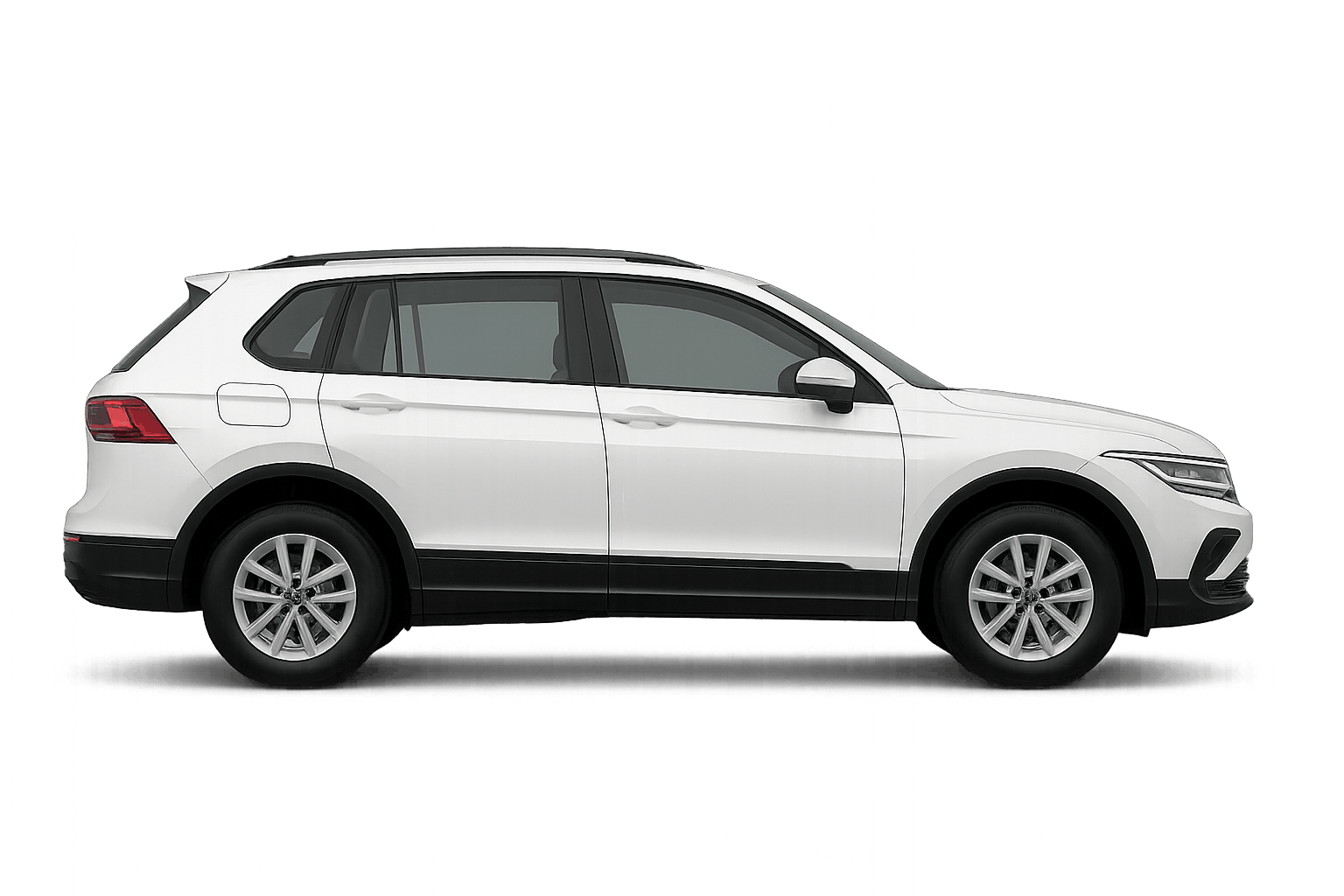
Volkswagen Tiguan
5 passengers
3 suitcases
4 bags
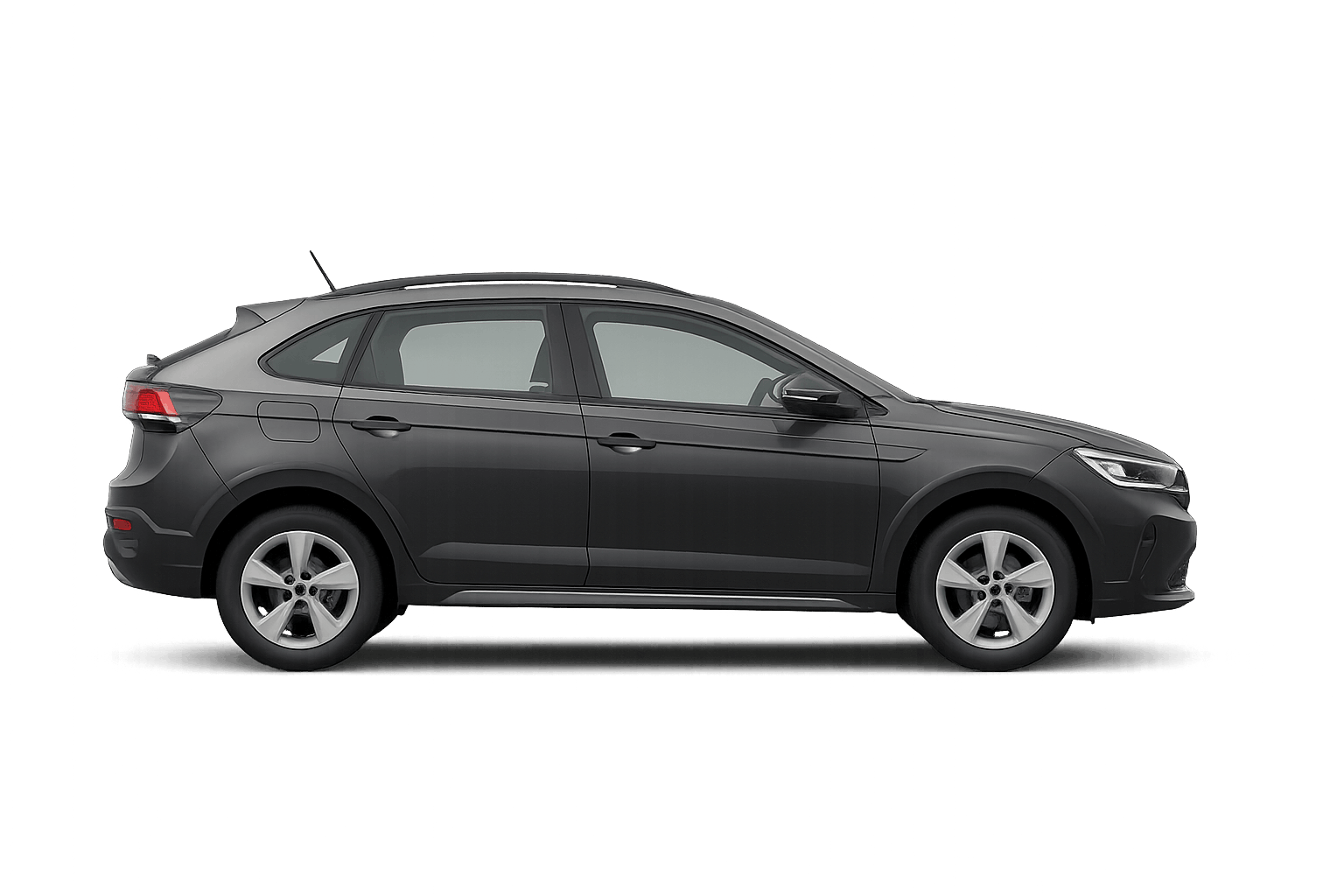
Volkswagen Taigo
5 passengers
2 suitcases
3 bags
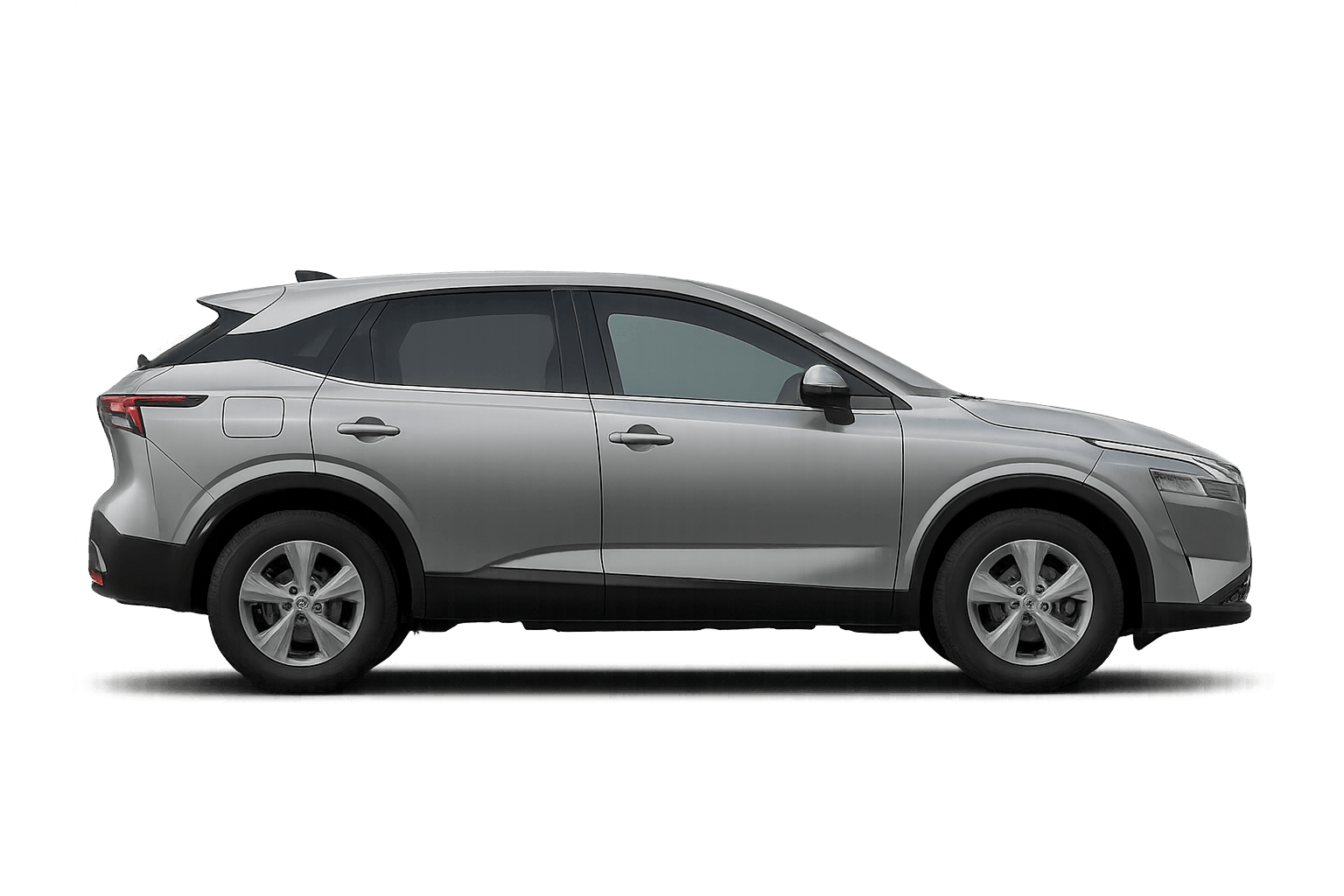
Nissan Qashqai
5 passengers
3 suitcases
4 bags
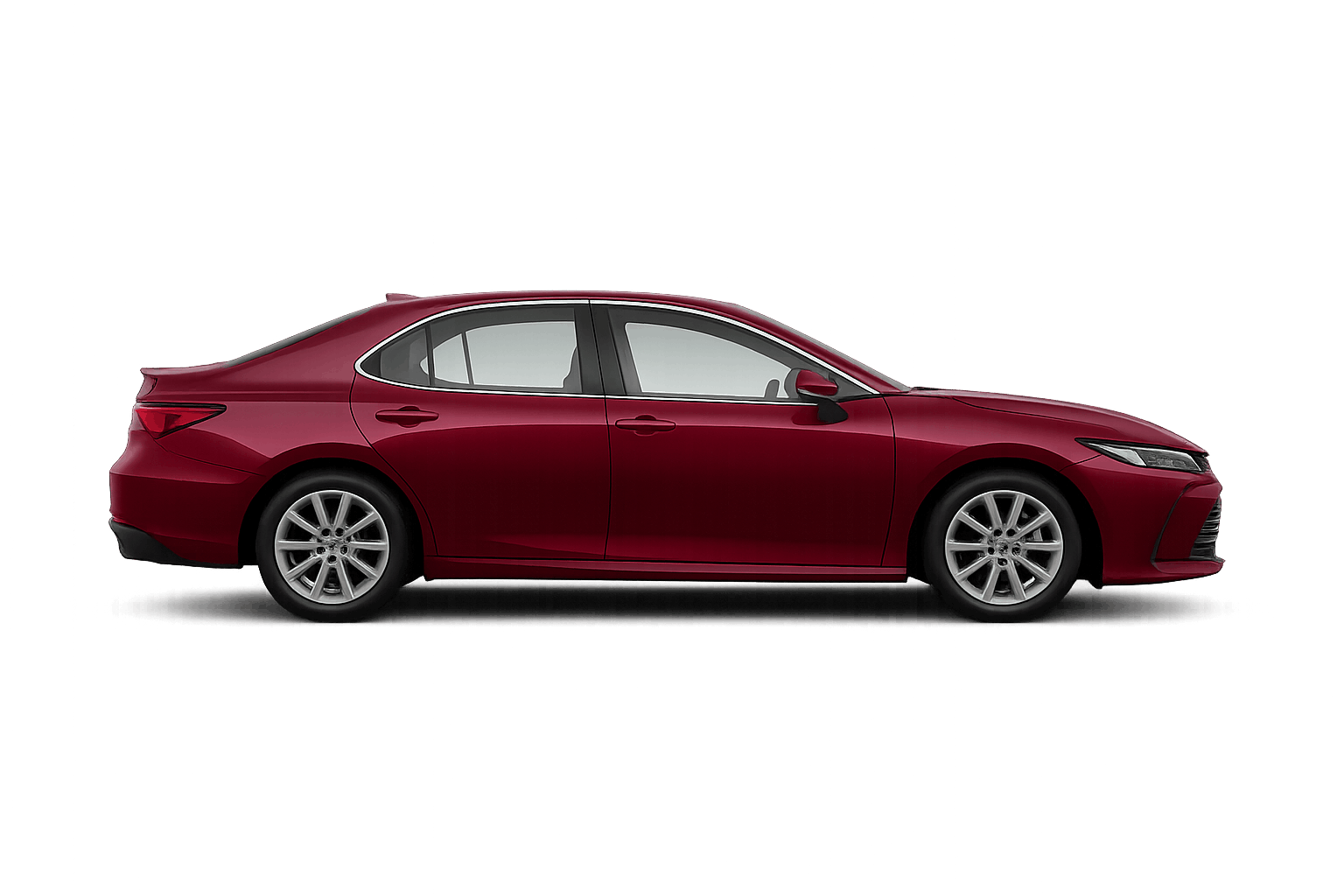
Toyota Camry
5 passengers
3 suitcases
4 bags
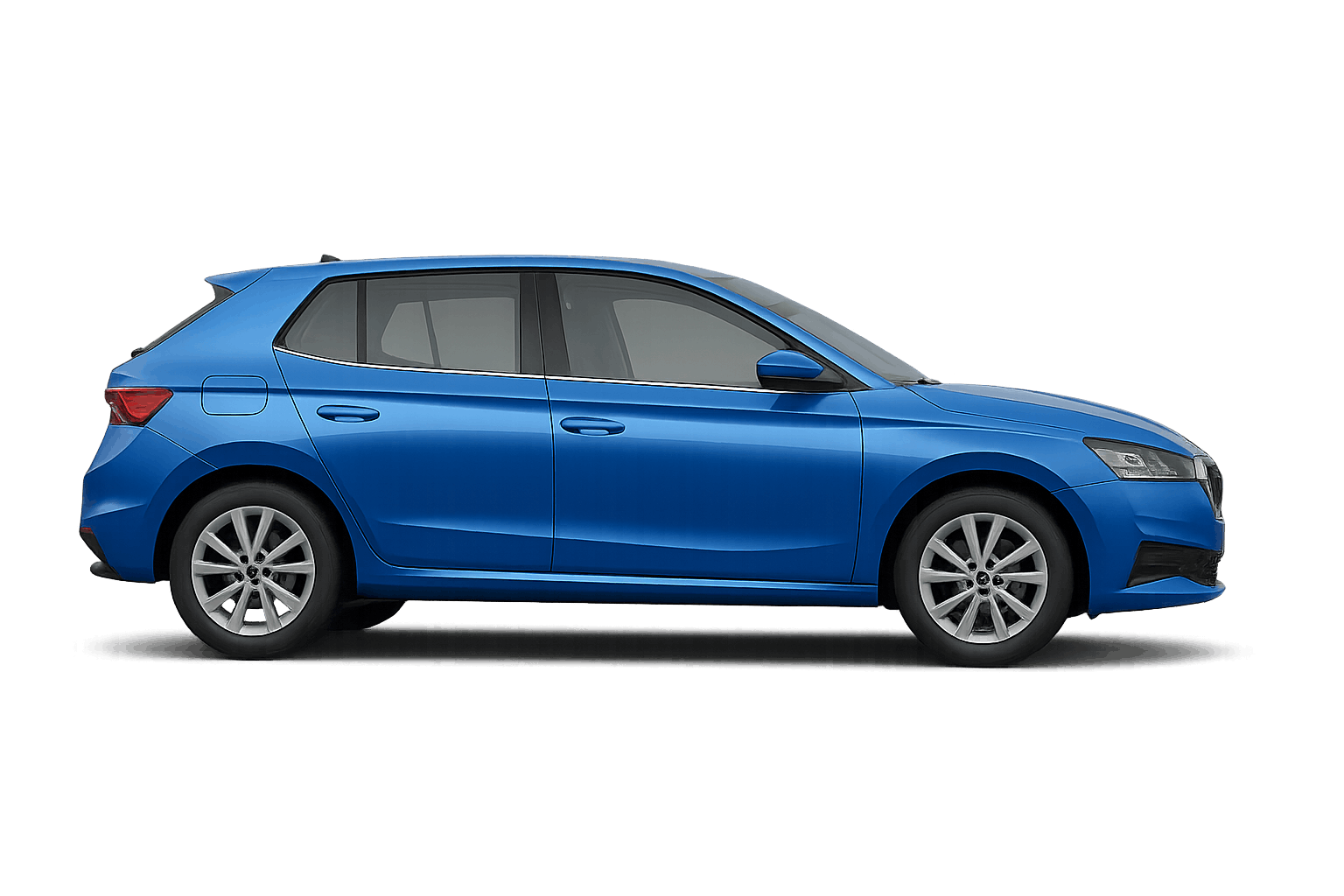
Skoda Fabia
5 passengers
2 suitcases
3 bags
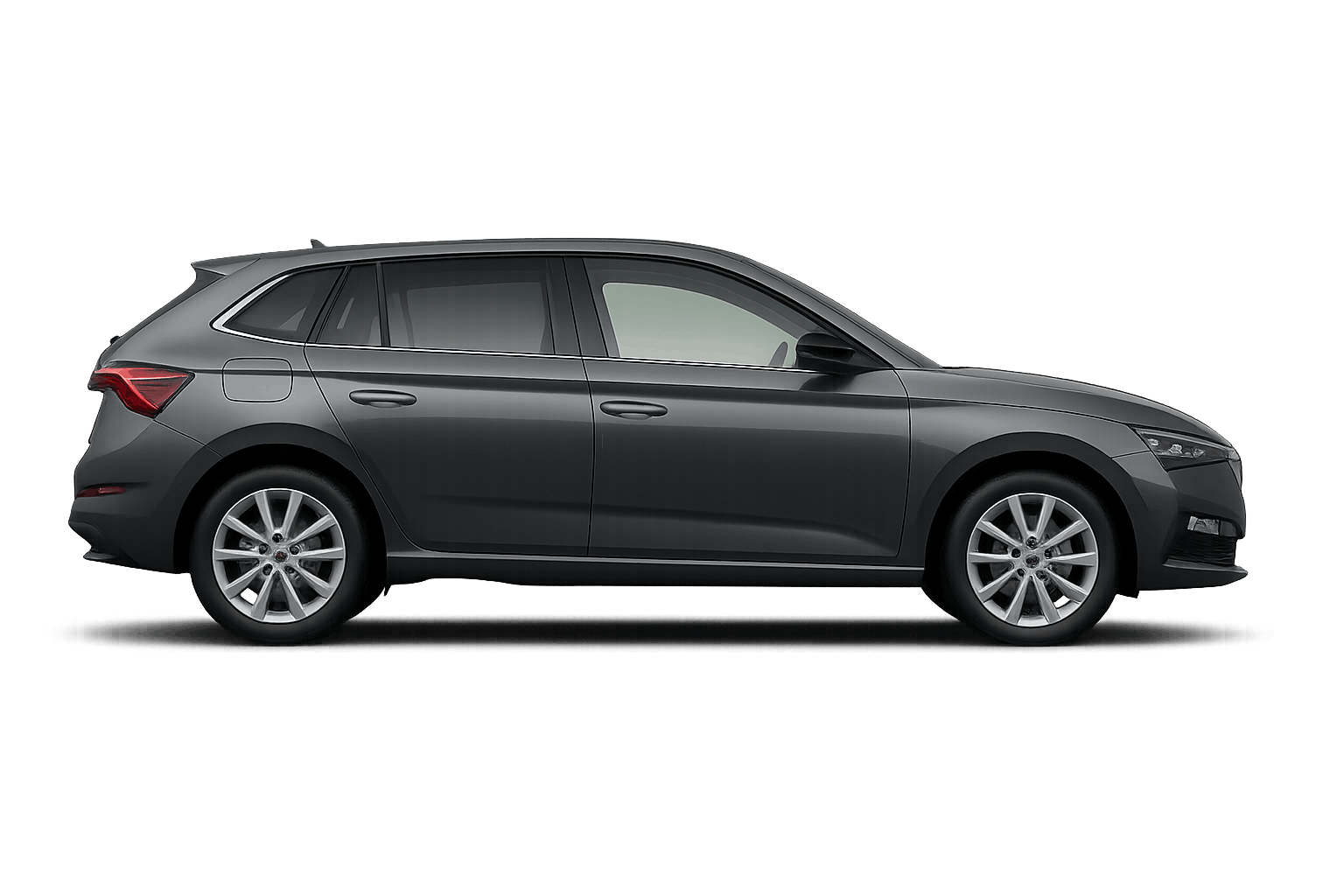
Skoda Scala
5 passengers
2 suitcases
4 bags
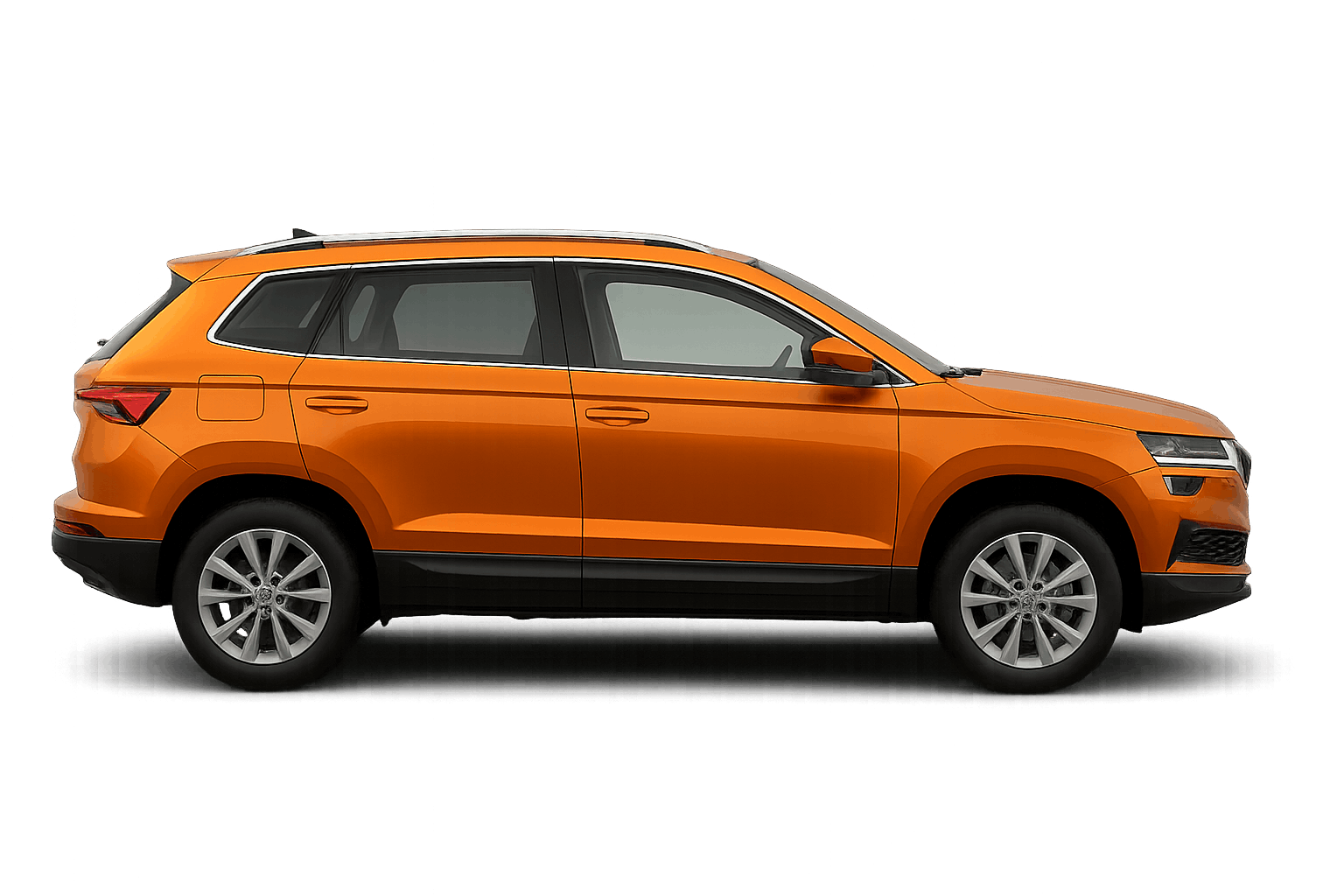
Skoda Karoq
5 passengers
2 suitcases
3 bags
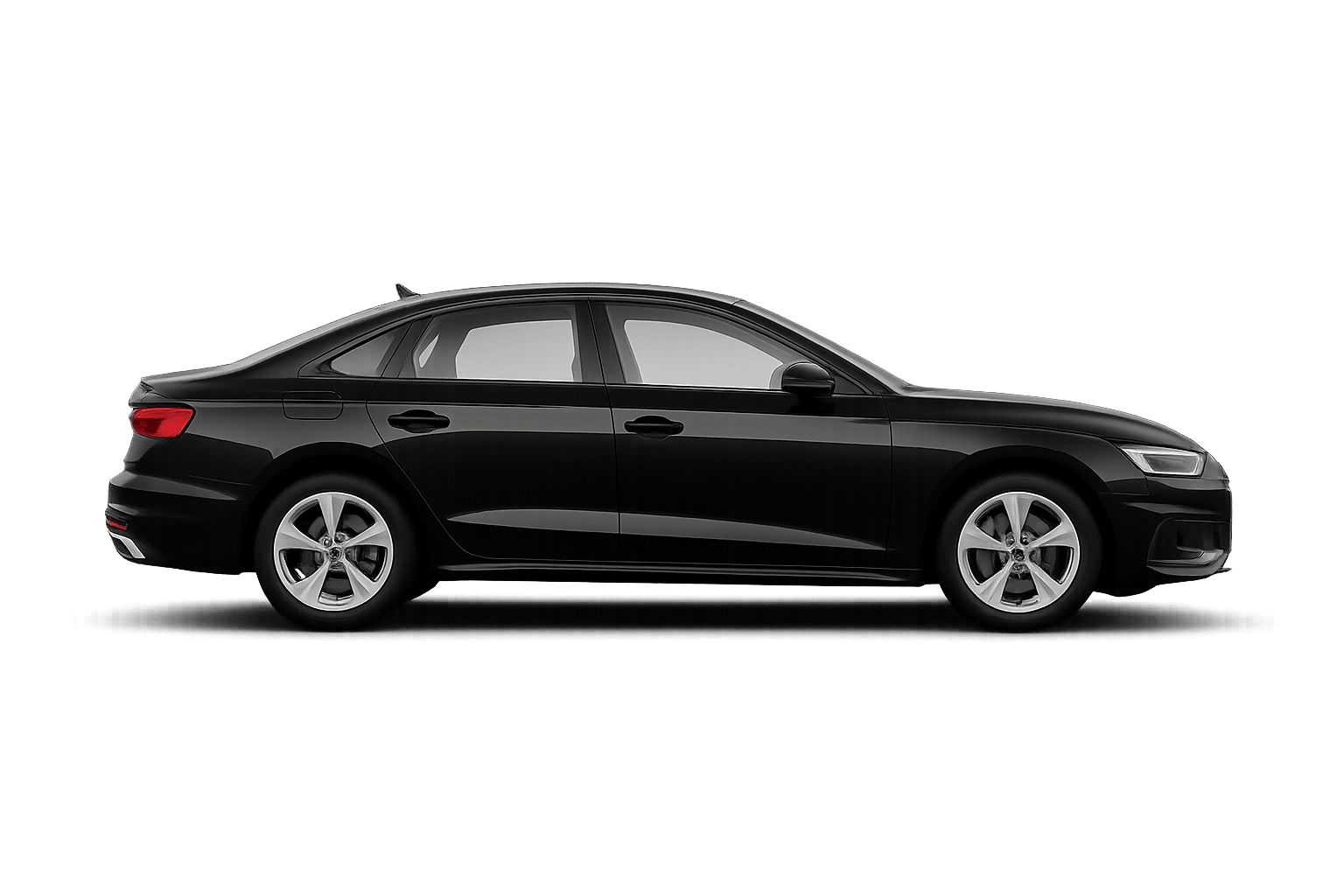
Audi A5
5 passengers
3 suitcases
5 bags
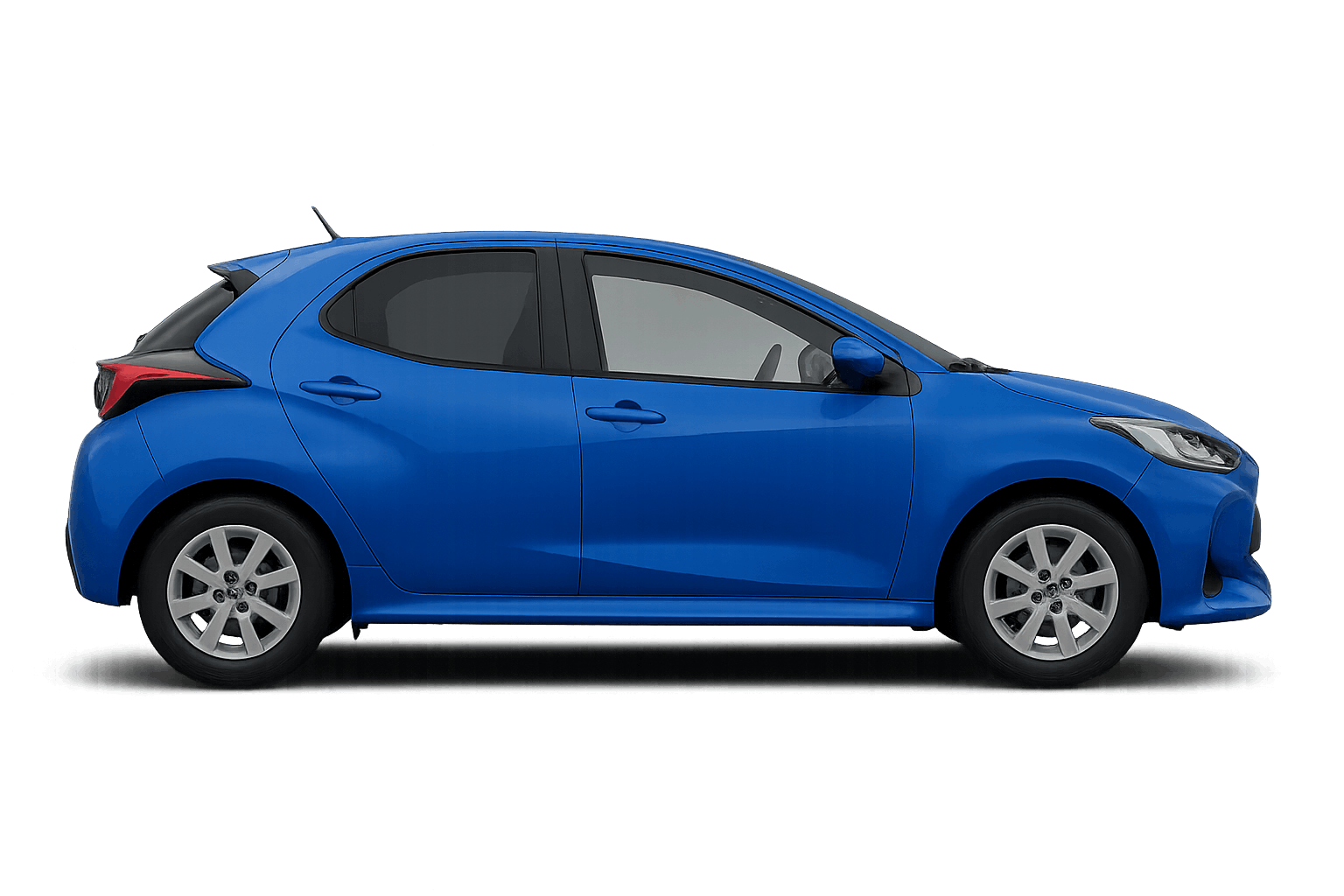
Toyota Yaris
4 passengers
1 suitcases
2 bags
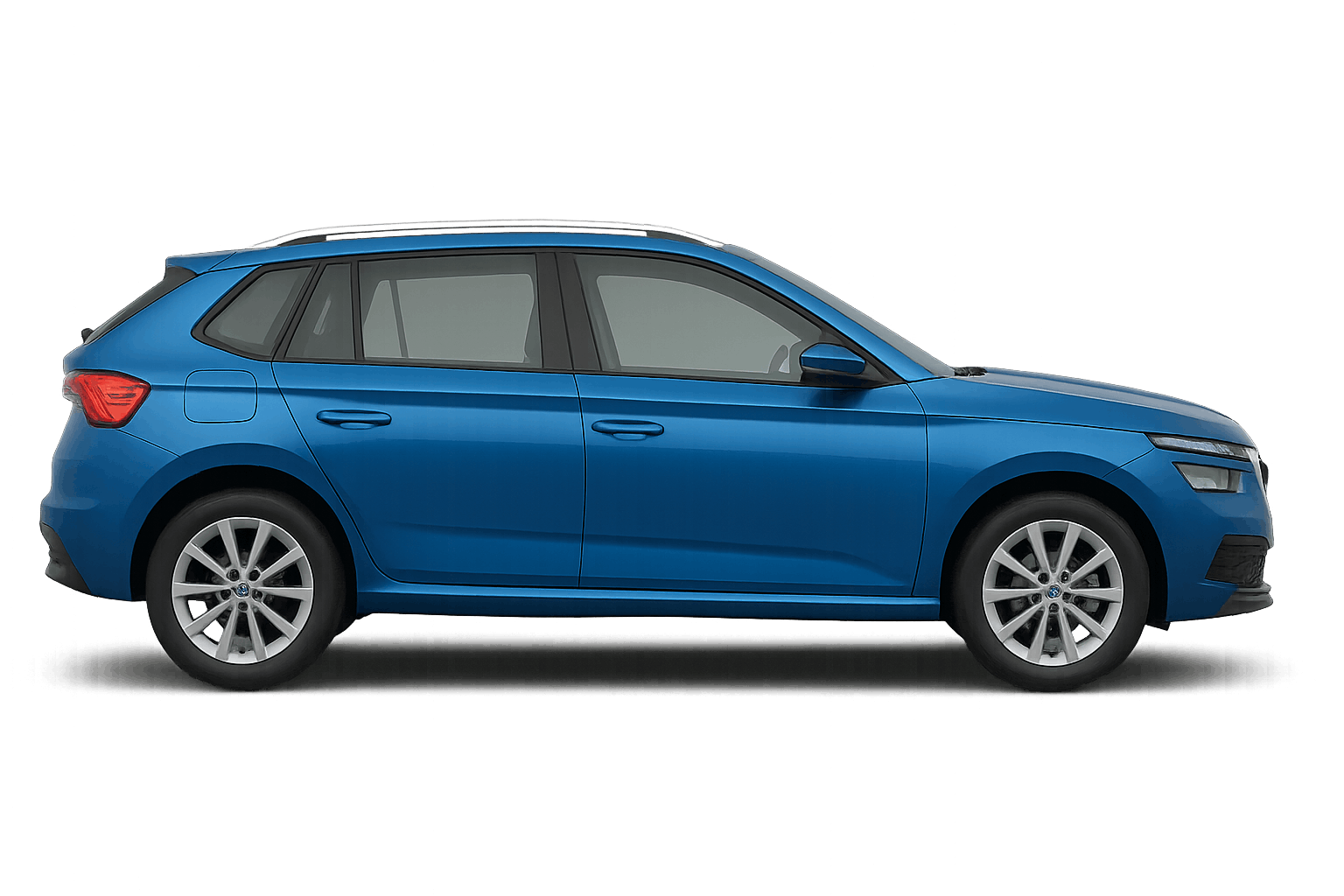
Skoda Kamiq
SUV or Similar
5 passengers
3 suitcases
4 bags
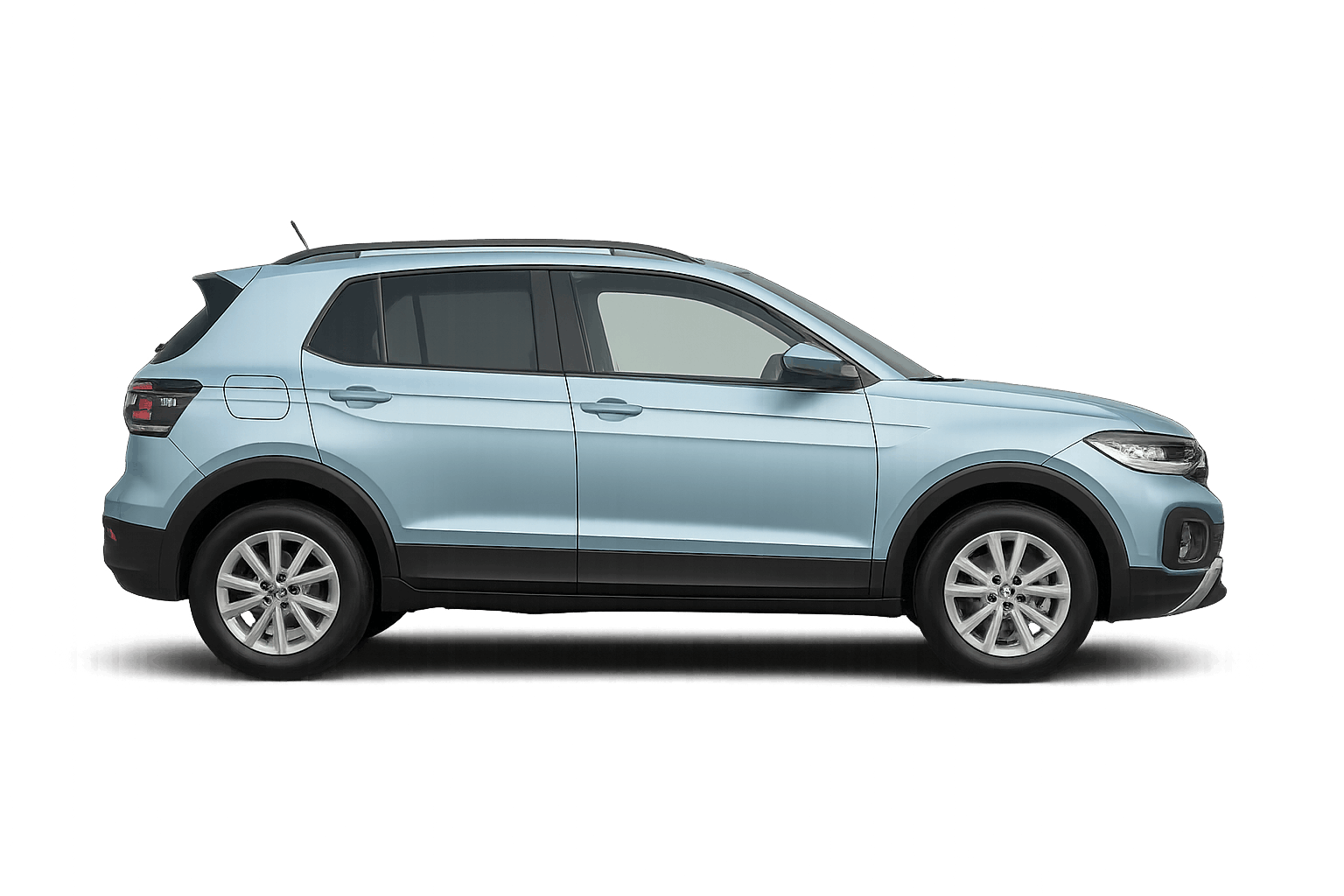
Volkswagen T-Cross
5 passengers
2 suitcases
3 bags
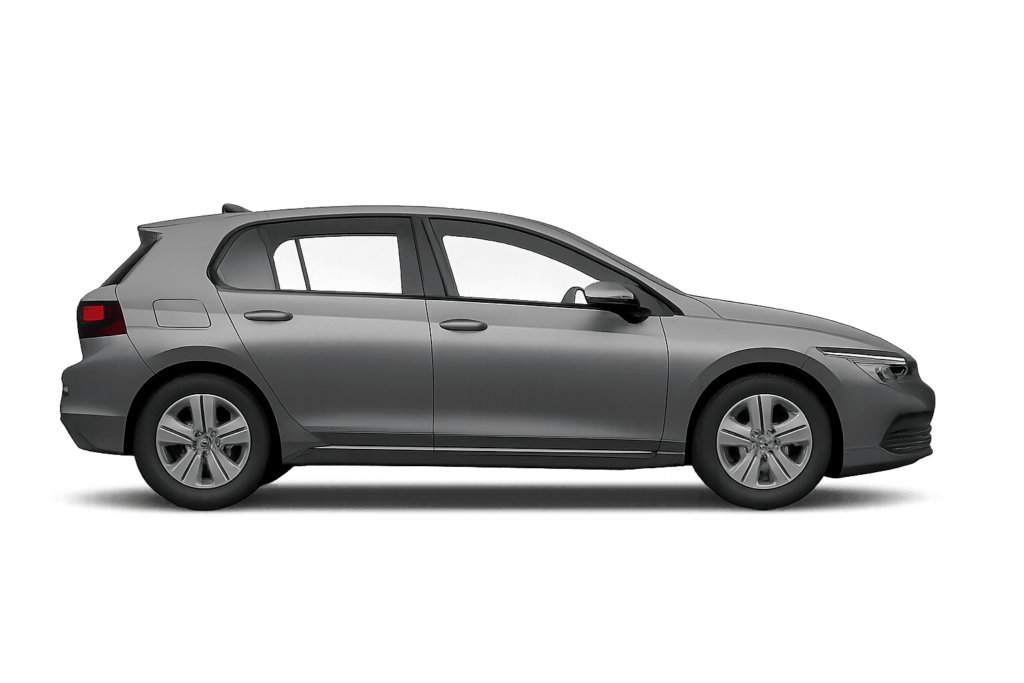
Volkswagen Golf
5 passengers
3 suitcases
2 bags
Volkswagen Tiguan
5 passengers
3 suitcases
4 bags
Volkswagen Taigo
5 passengers
2 suitcases
3 bags
Nissan Qashqai
5 passengers
3 suitcases
4 bags
Toyota Camry
5 passengers
3 suitcases
4 bags
Skoda Fabia
5 passengers
2 suitcases
3 bags
Skoda Scala
5 passengers
2 suitcases
4 bags
Skoda Karoq
5 passengers
2 suitcases
3 bags
Audi A5
5 passengers
3 suitcases
5 bags
Toyota Yaris
4 passengers
1 suitcases
2 bags
Skoda Kamiq
SUV or Similar
5 passengers
3 suitcases
4 bags
Volkswagen T-Cross
5 passengers
2 suitcases
3 bags
Volkswagen Golf
5 passengers
3 suitcases
2 bags
Compact SUVs offer the perfect mix of comfort, efficiency, and versatility. Bigger and more capable than standard compact cars, yet easier to handle than full-size SUVs, they provide elevated seating, improved visibility, and extra space for luggage. Compact SUVs perform well on highways, small mountain roads, and mixed terrain, making them a top choice for travelers who want flexibility without sacrificing fuel efficiency.
Best for:
Small families, couples, mixed-terrain trips, island travel, scenic road trips, travelers who want more space than a compact car.
Typical models:
Kia Sportage, Nissan Juke, Renault Captur, Hyundai Kona, Toyota C-HR.
Best for:
Small families, couples, mixed-terrain trips, island travel, scenic road trips, travelers who want more space than a compact car.
Typical models:
Kia Sportage, Nissan Juke, Renault Captur, Hyundai Kona, Toyota C-HR.
Volkswagen Taigo
5 passengers
2 suitcases
3 bags
Skoda Karoq
5 passengers
2 suitcases
3 bags
Volkswagen T-Cross
5 passengers
2 suitcases
3 bags
Volkswagen Taigo
5 passengers
2 suitcases
3 bags
Skoda Karoq
5 passengers
2 suitcases
3 bags
Volkswagen T-Cross
5 passengers
2 suitcases
3 bags
Standard cars offer the ideal balance of comfort, space, and performance for travelers who need more room than a compact vehicle can provide. With larger interiors, stronger engines, and improved driving stability, this category is perfect for longer road trips, family holidays, or journeys that involve highway driving. Standard cars typically have generous trunk space, making them suitable for multiple suitcases and travel gear.
Best for:
Families, groups of 3–5 travelers, longer trips, highway driving, destinations with varied terrain.
Typical models:
Toyota Corolla Sedan, Volkswagen Passat, Skoda Octavia, Hyundai Elantra.
Best for:
Families, groups of 3–5 travelers, longer trips, highway driving, destinations with varied terrain.
Typical models:
Toyota Corolla Sedan, Volkswagen Passat, Skoda Octavia, Hyundai Elantra.
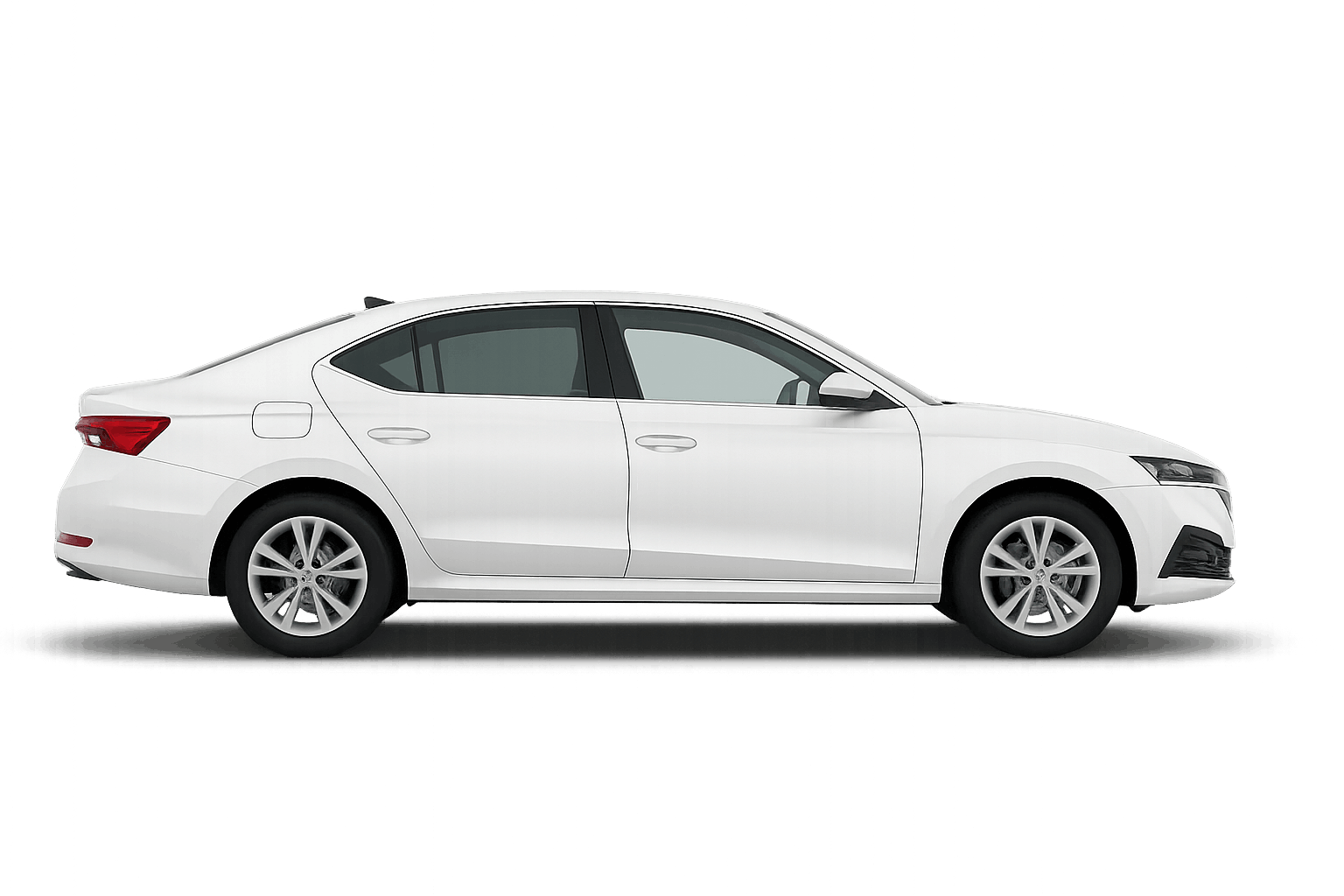
Skoda Superb
5 passengers
4 suitcases
5 bags
Volkswagen Golf
5 passengers
3 suitcases
2 bags
Skoda Superb
5 passengers
4 suitcases
5 bags
Volkswagen Golf
5 passengers
3 suitcases
2 bags
Compact cars are the perfect balance between size, comfort, and fuel efficiency. Ideal for couples or small families, they offer enough space for luggage while remaining easy to park in busy cities and narrow European streets. Compact vehicles perform well both in urban environments and on longer trips, making them one of the most popular categories for international travelers.
Best for:
City trips, small families, coastal driving, budget-conscious travelers.
Typical models:
Volkswagen Golf, Ford Focus, Toyota Corolla, Kia Ceed.
Best for:
City trips, small families, coastal driving, budget-conscious travelers.
Typical models:
Volkswagen Golf, Ford Focus, Toyota Corolla, Kia Ceed.
Skoda Scala
5 passengers
2 suitcases
4 bags
Skoda Scala
5 passengers
2 suitcases
4 bags
Compact cars are the perfect balance between size, comfort, and fuel efficiency. Ideal for couples or small families, they offer enough space for luggage while remaining easy to park in busy cities and narrow European streets. Compact vehicles perform well both in urban environments and on longer trips, making them one of the most popular categories for international travelers.
Best for:
City trips, small families, coastal driving, budget-conscious travelers.
Typical models:
Volkswagen Golf, Ford Focus, Toyota Corolla, Kia Ceed.
Best for:
City trips, small families, coastal driving, budget-conscious travelers.
Typical models:
Volkswagen Golf, Ford Focus, Toyota Corolla, Kia Ceed.
Skoda Fabia
5 passengers
2 suitcases
3 bags
Toyota Yaris
4 passengers
1 suitcases
2 bags
Skoda Fabia
5 passengers
2 suitcases
3 bags
Toyota Yaris
4 passengers
1 suitcases
2 bags
Premium cars are designed for travelers who value luxury, refinement, and exceptional comfort. This category offers high–quality interiors, advanced technology, smooth performance, and powerful engines — ideal for business trips, long-distance journeys, or travelers seeking an elevated driving experience abroad. Premium vehicles deliver superior ride quality, enhanced safety features, and a stylish presence on the road.
Best for:
Business travelers, couples seeking comfort, long-distance driving, special trips, premium-level vacations.
Typical models:
BMW 3 Series, Mercedes-Benz C-Class, Audi A5, Volvo S60.
Best for:
Business travelers, couples seeking comfort, long-distance driving, special trips, premium-level vacations.
Typical models:
BMW 3 Series, Mercedes-Benz C-Class, Audi A5, Volvo S60.
Toyota Camry
5 passengers
3 suitcases
4 bags
Audi A5
5 passengers
3 suitcases
5 bags
Toyota Camry
5 passengers
3 suitcases
4 bags
Audi A5
5 passengers
3 suitcases
5 bags
SUVs are the ideal choice for travelers who need extra space, comfort, and performance on various types of terrain. With higher ground clearance, stronger engines, and spacious interiors, SUVs provide confidence on mountain roads, rural areas, gravel surfaces, or long-distance highway trips. This category is perfect for families, adventurers, and anyone who wants a stable, secure, and comfortable driving experience abroad.
Best for:
Families, active travelers, island or mountain destinations, long-distance routes, trips requiring more luggage space.
Typical models:
Toyota RAV4, Volkswagen Tiguan, Nissan Qashqai, Hyundai Tucson.
Best for:
Families, active travelers, island or mountain destinations, long-distance routes, trips requiring more luggage space.
Typical models:
Toyota RAV4, Volkswagen Tiguan, Nissan Qashqai, Hyundai Tucson.
Volkswagen Tiguan
5 passengers
3 suitcases
4 bags
Nissan Qashqai
5 passengers
3 suitcases
4 bags
Skoda Kamiq
SUV or Similar
5 passengers
3 suitcases
4 bags
Volkswagen Tiguan
5 passengers
3 suitcases
4 bags
Nissan Qashqai
5 passengers
3 suitcases
4 bags
Skoda Kamiq
SUV or Similar
5 passengers
3 suitcases
4 bags
Top Cities and Towns:


Top Airports:


High-Value FAQ: Rome Fiumicino Car Rental
Do I have to leave a massive deposit at the desk?
Yes. Unless you purchase the rental company’s expensive Super CDW insurance, expect a block of €500 to €2,000 on your credit card. You must use a physical credit card with your name embossed on it. Debit cards, prepaid cards, and Apple Pay will be rejected.
Are there age requirements for renting a car in Italy?
You can legally drive at 18 in Italy, but almost no agency will rent to you unless you are 21. If you are under 25, you will be hit with a “Young Driver Surcharge,” which adds roughly €15-€25 per day to your bill. High-end luxury cars and large vans often require the driver to be at least 25 or 28.
Do I actually need an International Driving Permit (IDP)?
If your driver’s license is from outside the European Union (e.g., USA, Canada, Australia), Italian law requires you to carry an IDP alongside your home license. Rental agents at FCO will frequently ask to see it before handing over the keys. If you don’t have one, they are legally allowed to refuse your rental without a refund. Get one at AAA before you fly.
Can I drive my Rome rental car across the border into France or Switzerland?
Usually, yes, but you must declare it at the desk. Most agencies charge a “Cross-Border Fee” (around €30 to €60 per rental) to extend the insurance coverage outside of Italy. If you don’t tell them and get into an accident in Chamonix, your insurance is completely void.
I'm returning the car at 5:00 AM. How does that work at FCO?
When returning the car to Multilevel Parking A, B, or C, simply follow the “Car Return” signs. Most major brands operating out of FCO offer a 24/7 key drop box (usually located right outside their check-in cabin in the garage). You lock the car, drop the keys in the slot, and walk straight to the terminal. Just be absolutely sure to take detailed photos of the parked car before you leave the keys, as you remain liable for any “discovered” damage until they open the office and inspect it.
Your journey starts here.
Find the perfect rental car for your destination and enjoy flexible, affordable car hire wherever you go.


