
Wide selection & availability

Flexible, easy and fast

Transparent pricing
Trusted by travelers













Milan Malpensa Car Rental: How to Not Get Ripped Off and Actually Enjoy the Drive
You know that exact feeling. You’ve just touched down at Milan Malpensa Airport (MXP). Your legs are cramped, your mouth tastes like stale airplane air, and you’ve just completed what feels like a half-marathon from the gate to the baggage claim. You can practically smell the rich espresso and the Mediterranean breeze waiting outside.
But there is one final, agonizing hurdle between you and your Italian road trip: the car rental counter.
I’ve stood in those queues at Malpensa more times than I can count, clutching my passport, sweating under the fluorescent lights, wondering if I’m about to be scammed out of my vacation budget. It is chaotic, it is loud, and if you aren’t prepared, it can be a nightmare. Let’s bypass the glossy brochures and talk about what actually happens down in the arrivals hall.
You know that exact feeling. You’ve just touched down at Milan Malpensa Airport (MXP). Your legs are cramped, your mouth tastes like stale airplane air, and you’ve just completed what feels like a half-marathon from the gate to the baggage claim. You can practically smell the rich espresso and the Mediterranean breeze waiting outside.
But there is one final, agonizing hurdle between you and your Italian road trip: the car rental counter.
I’ve stood in those queues at Malpensa more times than I can count, clutching my passport, sweating under the fluorescent lights, wondering if I’m about to be scammed out of my vacation budget. It is chaotic, it is loud, and if you aren’t prepared, it can be a nightmare. Let’s bypass the glossy brochures and talk about what actually happens down in the arrivals hall.
EO Meta Title: Milan Malpensa Car Rental: How to Not Get Ripped Off
SEO Meta Description: Landed at MXP? Before you sign anything, read this brutally honest guide to car rental at Milan Malpensa Airport. Avoid the upsells, skip the stress, and hit the road.
Milan Malpensa Car Rental: How to Not Get Ripped Off and Actually Enjoy the Drive
You know that exact feeling. You’ve just touched down at Milan Malpensa Airport (MXP). Your legs are cramped, your mouth tastes like stale airplane air, and you’ve just completed what feels like a half-marathon from the gate to the baggage claim. You can practically smell the rich espresso and the Mediterranean breeze waiting outside.
But there is one final, agonizing hurdle between you and your Italian road trip: the car rental counter.
I’ve stood in those queues at Malpensa more times than I can count, clutching my passport, sweating under the fluorescent lights, wondering if I’m about to be scammed out of my vacation budget. It is chaotic, it is loud, and if you aren’t prepared, it can be a nightmare. Let’s bypass the glossy brochures and talk about what actually happens down in the arrivals hall.
The Short Version: Everything you need to know in 30 seconds
- Where are the desks? Mostly in Terminal 1 Arrivals. You’ll take an escalator down to an underground level. It looks like a bunker, but it’s where the cars are. Terminal 2 has a smaller selection.
- How’s the shuttle situation? If you book with a major brand (Avis, Hertz, Sixt, Europcar, Enterprise), you don’t need a shuttle. The cars are in the adjacent parking garage. Off-airport budget brands require a shuttle ride—budget an extra 30-40 minutes for this.
- Paperwork you’ll actually need: Your passport, a valid driving license, an International Driving Permit (IDP) if your license isn’t from the EU/UK, and a physical credit card in the main driver’s name.
- A realistic price expectation: Expect €30-€80 a day. Summer pushes prices higher. If you see a car for €5 a day, run. It’s a trap.
The Reality Check
I promised to protect you at all costs, so we need to have a serious talk about the dark side of car rental at Milan Malpensa Airport.
The Upgrade and Insurance Hustle
You finally reach the front of the line. The agent types furiously on a keyboard from 1998. Then, the pitch begins. “Ah, I see you booked a Fiat Panda. Are you sure? The highways here are fast. For just €20 more a day, I can put you in an Audi.” Decline it unless you genuinely want it.
Then comes the insurance scare tactic. “Your card doesn’t cover everything. If you scratch the rim, it’s €500. Buy our Super Cover.” We’ll talk about insurance in a minute, but just know they make huge commissions off this. Stand your ground if you already bought third-party coverage.
The Infamous ZTL Zones
If you are planning to drive your rental car straight into central Milan, you need to understand Zona a Traffico Limitato (ZTL). These are restricted traffic zones in the historical centers of Italian cities. Cameras watch the entrances. If you drive in without a permit, you will get a fine. Then, your rental company will charge your credit card a €40 “administrative fee” just for the privilege of passing your details to the police, who will then mail you the actual fine months later. It is a miserable experience. Park outside the city center and take the Metro.
Aggressive Italian Drivers
Driving in Lombardy isn’t a leisurely Sunday cruise. On the Autostrada, the left lane is for passing. If you are sitting in the left lane going the speed limit, a local in an Alfa Romeo will appear three inches from your rear bumper, flashing their lights until you move over. Don’t take it personally. Just move over.
T1 or T2: Where’s my car?
Malpensa is split into two terminals that are not within walking distance of each other.
Terminal 1 is the massive, sprawling international hub. This is where almost all the major car rental desks live. You follow the signs for “Autonoleggi / Car Hire,” go down the escalators to Level -1, and you’re in the rental hall.
Terminal 2 is basically the EasyJet terminal. It has a few rental desks, but if you fly into T2 and your car rental is at T1, you’ll need to take the free airport shuttle bus. It runs every 15 minutes or so. Factor this into your timeline. Don’t assume you can just grab your bags and walk to your car if you are at the wrong terminal.
Is the Extra Insurance a Scam?
“Scam” is a strong word, but it’s certainly a massive markup. You have three real options here, and you need to pick your poison before you arrive.
| Insurance Type | The Good | The Bad |
| Basic CDW (Included) | Free (usually mandated by Italian law). | Massive excess/deductible (often €1,500+). They will freeze this amount on your credit card. |
| Desk Insurance (Super Cover) | Zero stress. You can return the car on fire and walk away. No big deposit frozen. | Ridiculously expensive. Can easily double the cost of your best car hire Milan Malpensa Airport deal. |
| Third-Party / Tool Insurance | Cheap. Often around €5-€10 a day for full coverage. | You still leave the big deposit at the desk. If you crash, you pay the rental company, then claim it back from your third party. Eksportuoti į Skaičiuokles |
Between us: I always buy third-party insurance online before I travel. Yes, having €1,500 frozen on my credit card is annoying, but saving €200 over a week-long trip is worth the temporary hold. Just make sure you actually have enough credit limit on your card to handle the deposit.
What Car Should I Actually Get?
We all have that romantic vision of renting a vintage-style Fiat 500, rolling the roof back, and zooming up to Lake Como.
Let me pop that bubble. A Fiat 500 has a trunk roughly the size of a shoebox. If you are two people with two full-sized hard-shell suitcases, they will not fit. You will end up putting a suitcase on the back seat, which screams “rob me” to every thief from Milan to Naples.
On the flip side, do not rent a massive SUV. Parking in Italian towns is an extreme sport. The lines are tight, the medieval streets are narrow, and you will be sweating bullets trying to squeeze a Land Rover through an alleyway built for horses in the 14th century.
| Your Group Size | What You Think You Want | What You Should Actually Book |
| 1-2 People (Light luggage) | Fiat 500 | Fiat 500 (Okay, fine, live the dream) |
| 2 People (Big luggage) | Fiat 500 | VW Polo, Ford Fiesta, or similar |
| 3-4 People | Mid-size SUV | VW Golf, Ford Focus, or an estate wagon |
Hitting the Autostrada: Tolls and Terror
Eventually, you will find your car in the dark parking garage. Take a video of the entire exterior on your phone before you put your keys in the ignition. Capture every single scratch, dent, and scuff. It takes one minute and is the ultimate insurance policy against shady post-rental charges.
Leaving Malpensa is actually quite straightforward. The signage is generally good, pointing you toward Milano (A8) or Torino (A4).
You will hit toll booths (Caselli). This is where tourists panic.
- Yellow Lanes (Telepass): Do not go here unless your rental company explicitly gave you a Telepass transponder. If you go through here without one, a barrier won’t drop, alarms will sound, and people will yell.
- Blue Lanes (Carte): Credit and debit cards. Usually the fastest.
- White Lanes: Cash. You’ll take a ticket when you enter the highway, and put it in the machine (or hand it to a person) when you exit.
The Grand Finale
Look, renting a car in Italy has its quirks. It can be loud, confusing, and occasionally frustrating. But the minute you clear the airport traffic, merge onto the highway, and see the Alps rising in the distance? That is when the magic starts. Having your own wheels is the only way to truly explore the hidden corners of Lombardy, stop at that random roadside trattoria, and drive the winding roads around the lakes at your own pace.
Go for it. Embrace the chaos.
Just be smart before you fly. The easiest way to avoid the stress at the counter is to know exactly what you are paying before you land. Use our comparison tool to find the most honest car rental Milan Malpensa Airport has to offer. Compare car rental the true prices, grab a third-party insurance policy, and book it.
Now go get that espresso. You’ve earned it.
Car Rental Categories Explained
Choosing a rental car isn’t just about picking any vehicle — different categories can change your whole travel experience. Each class has its own benefits: some are cheaper to rent and insure, others offer more space, power, or comfort. Whether you’re looking for a budget-friendly city car, a family-size SUV, an electric option, or something a bit more premium, browsing all categories helps you find the best match for your route, luggage, group size, and budget. Take a moment to compare — the right choice can save you money on fuel, insurance, and daily rental costs.
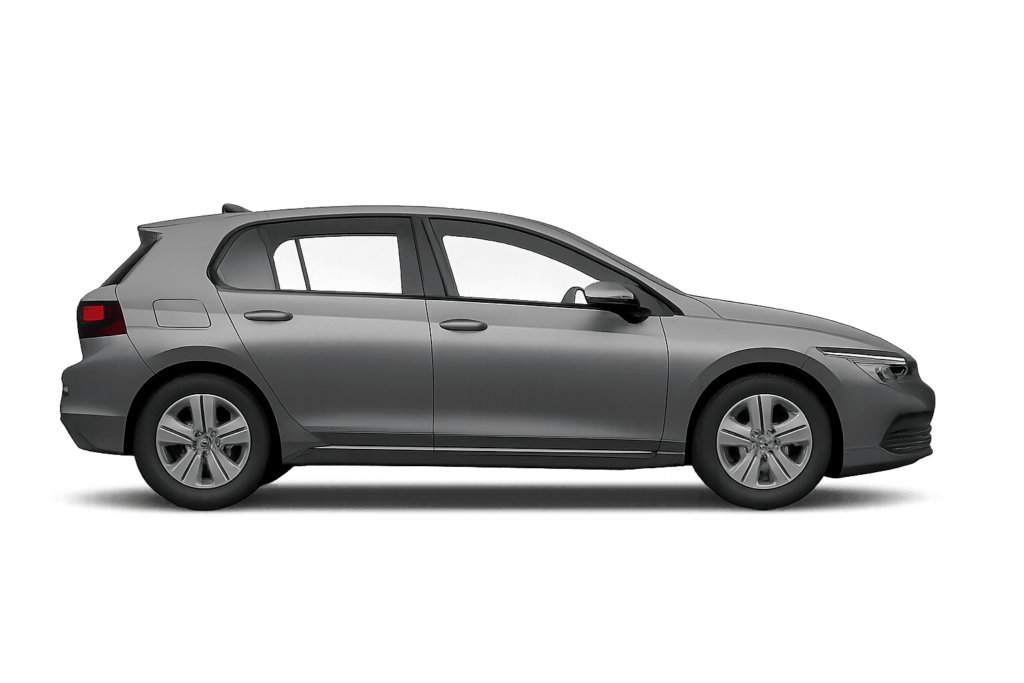
Volkswagen Golf
5 passengers
3 suitcases
2 bags
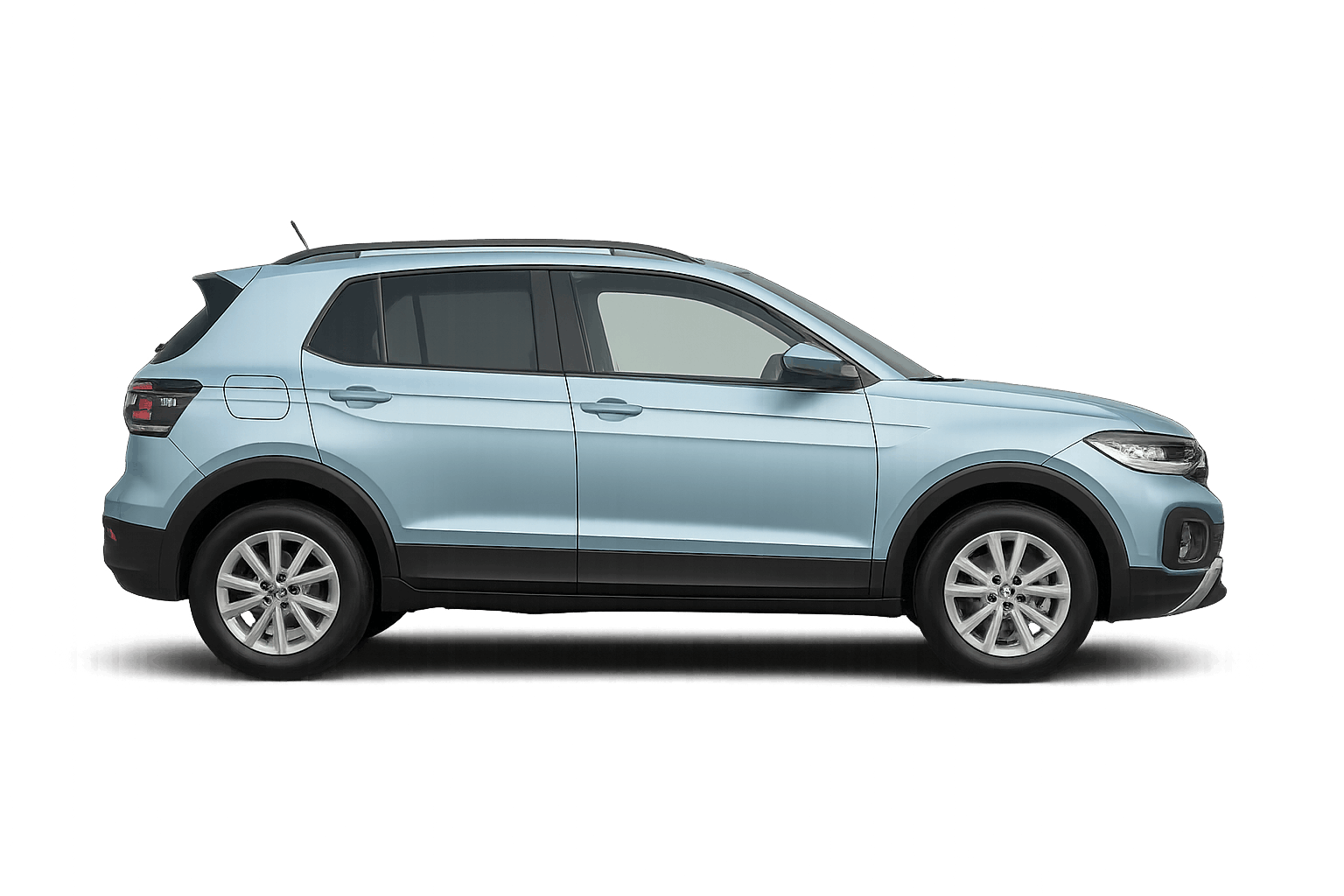
Volkswagen T-Cross
5 passengers
2 suitcases
3 bags
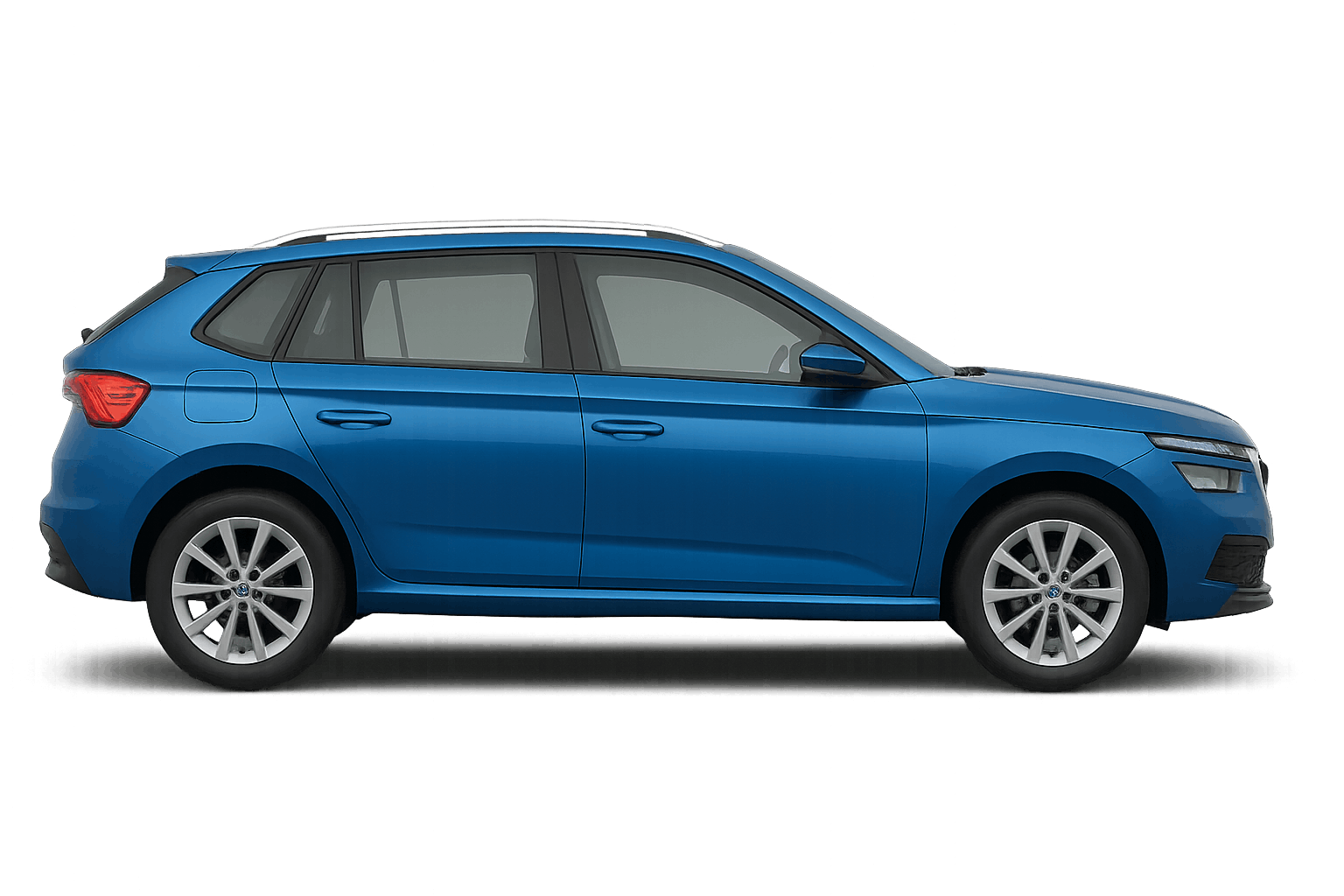
Skoda Kamiq
SUV or Similar
5 passengers
3 suitcases
4 bags
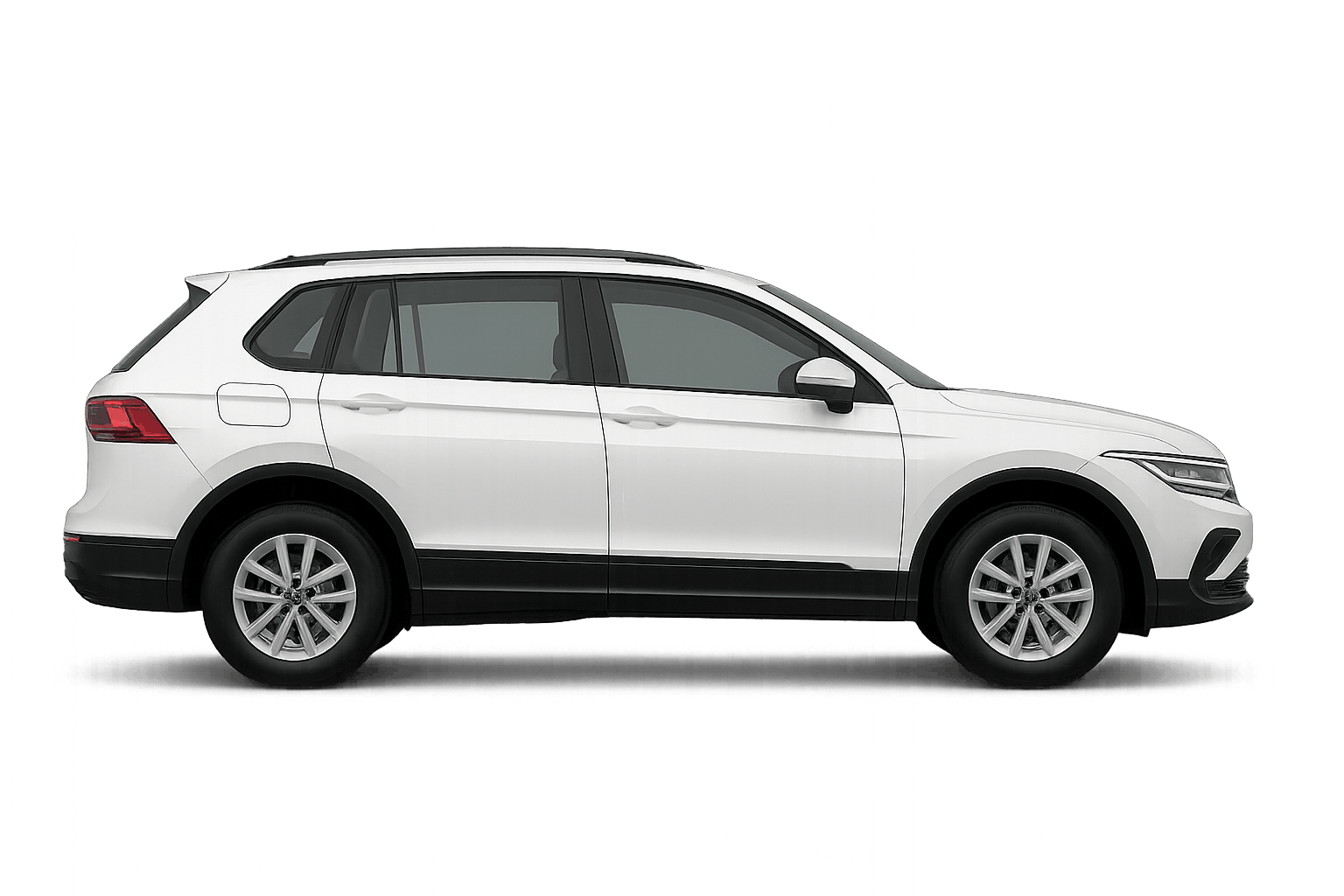
Volkswagen Tiguan
5 passengers
3 suitcases
4 bags
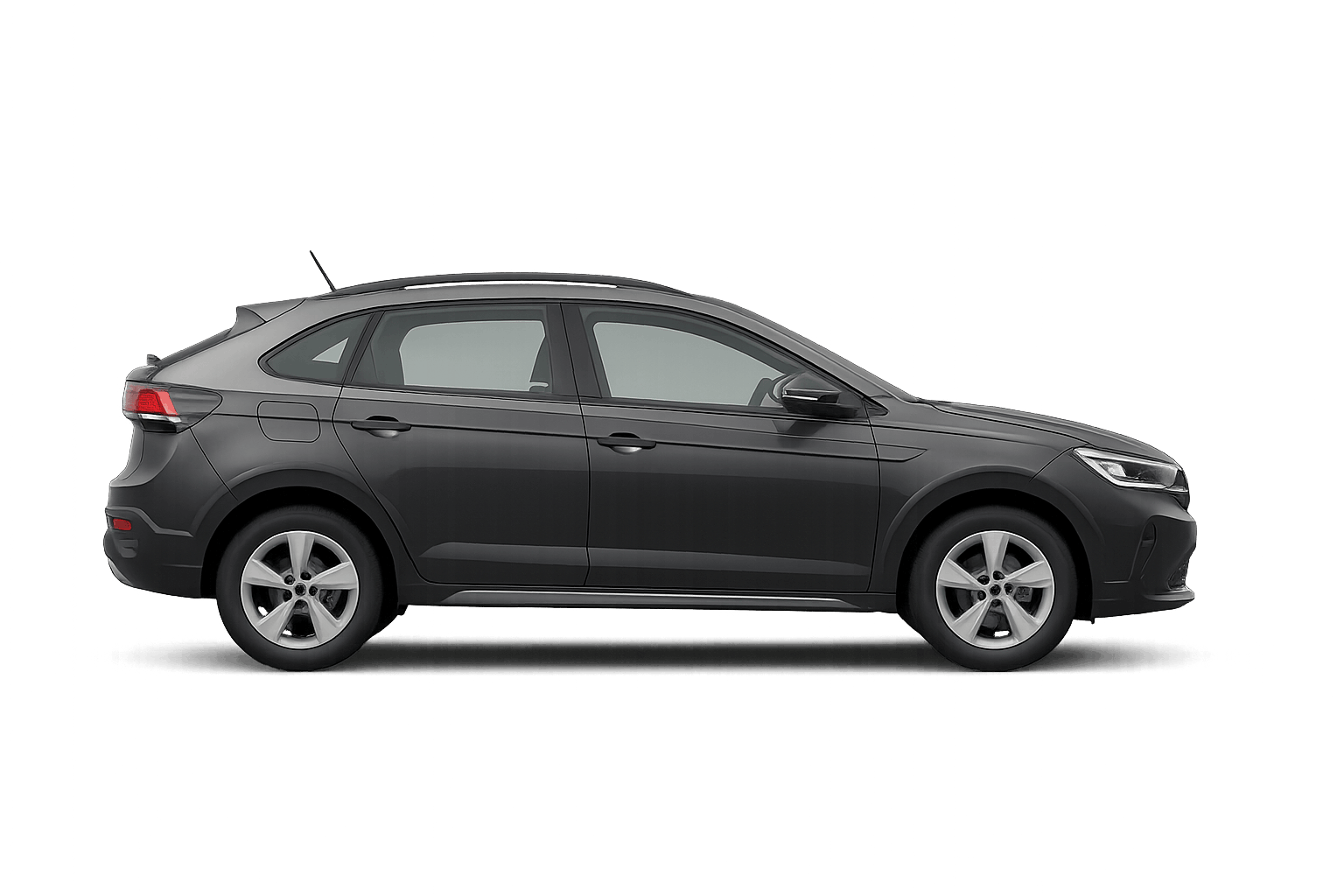
Volkswagen Taigo
5 passengers
2 suitcases
3 bags
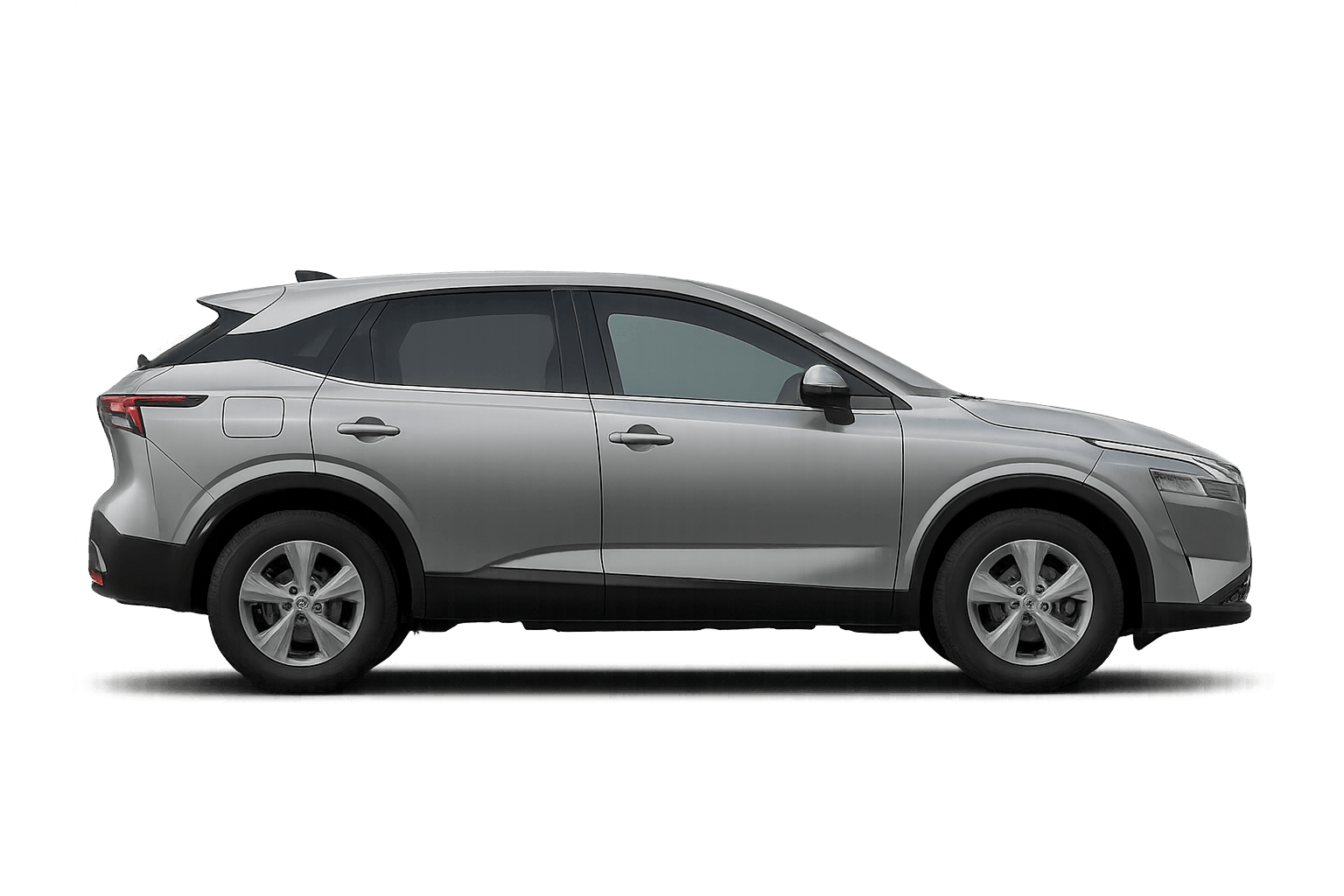
Nissan Qashqai
5 passengers
3 suitcases
4 bags
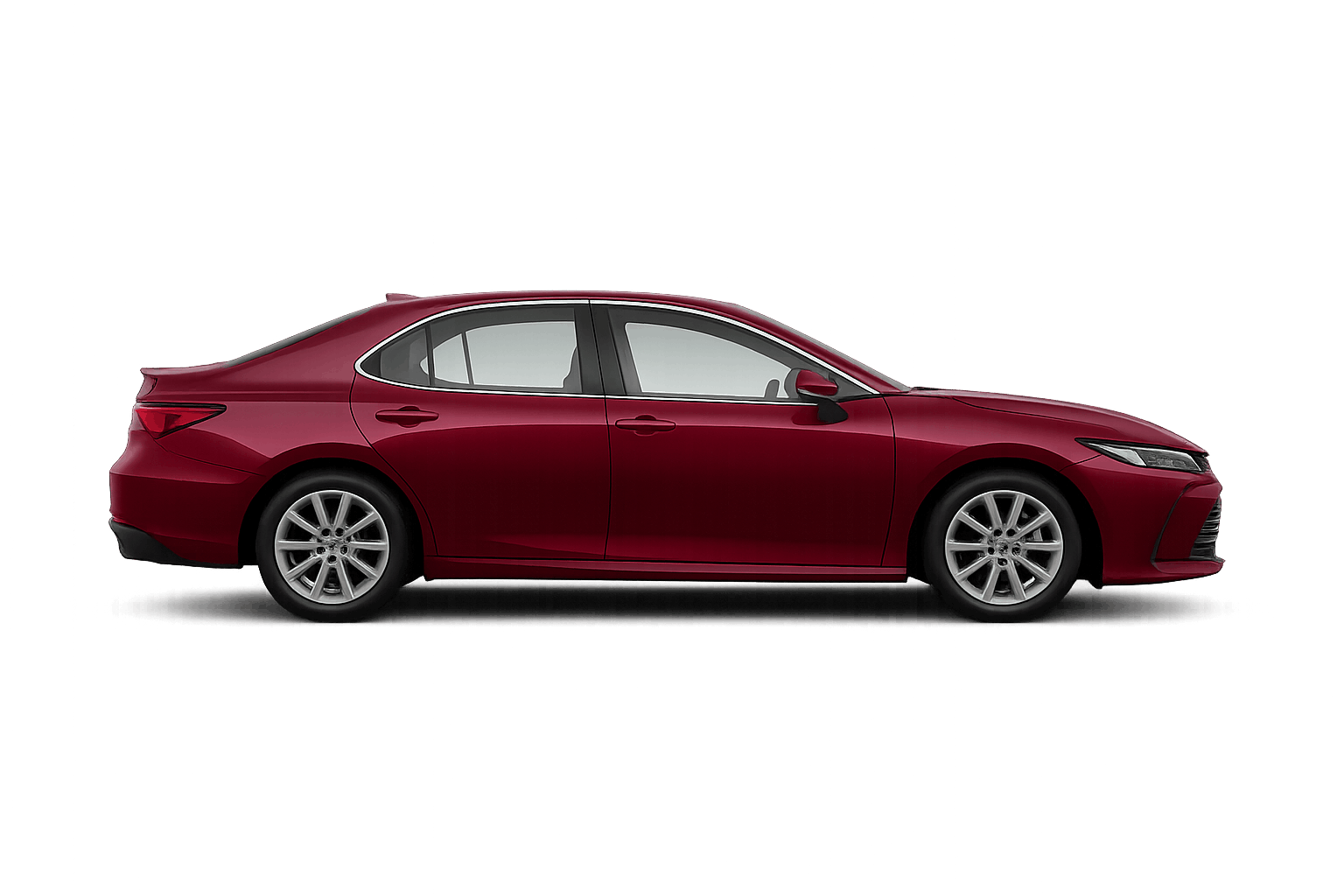
Toyota Camry
5 passengers
3 suitcases
4 bags
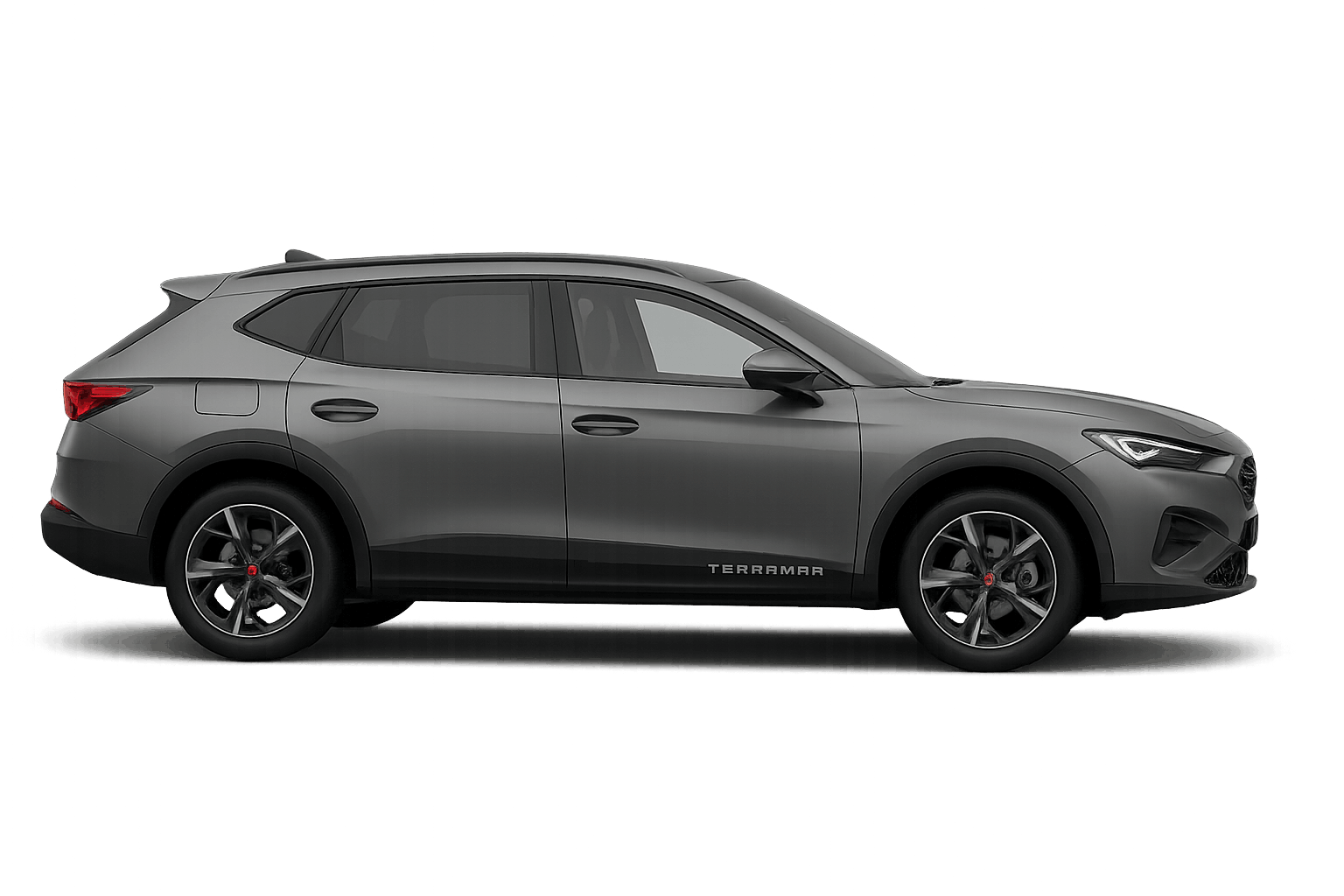
Cupra Terramar
Cupra Terramar
3 suitcases
4 bags
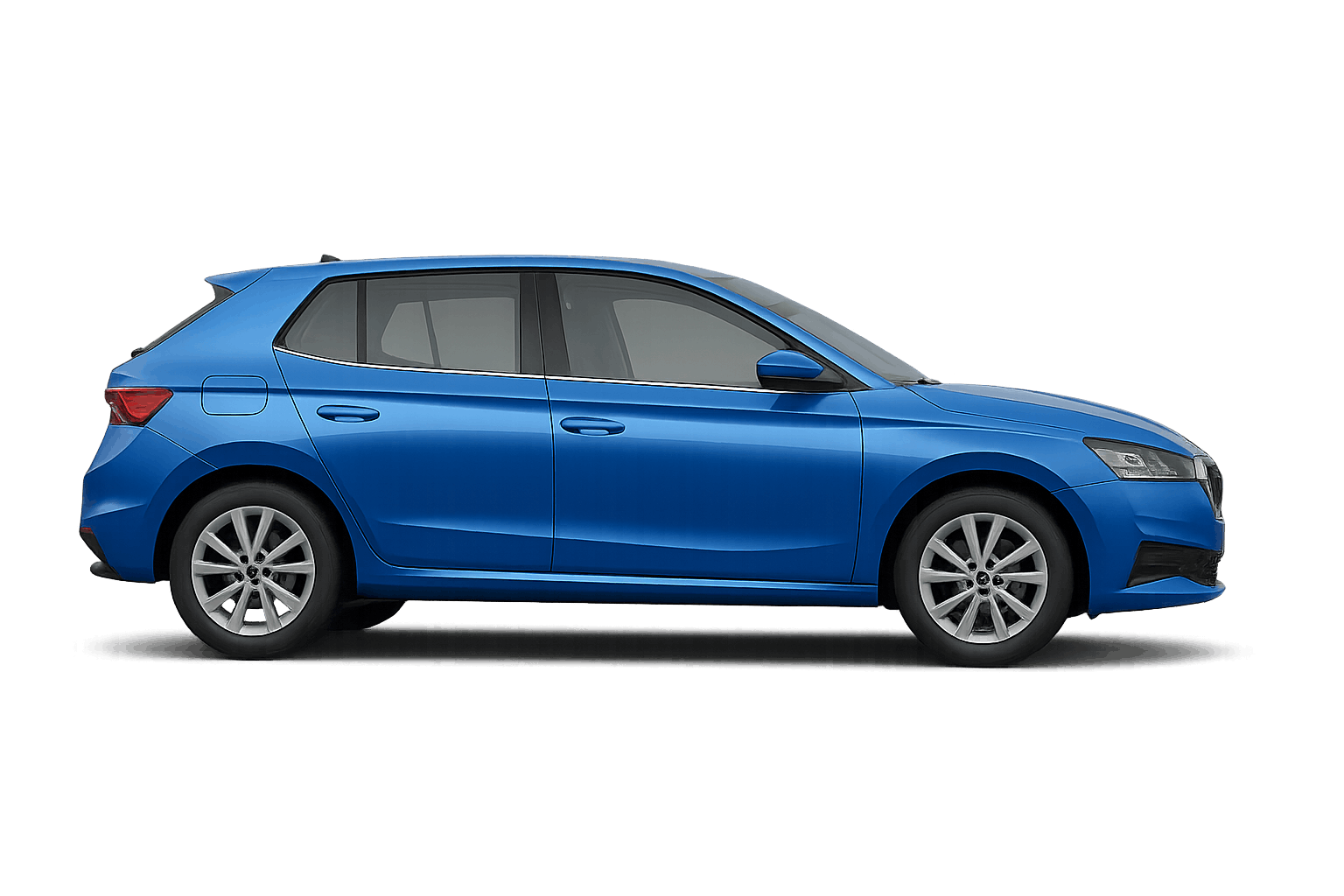
Skoda Fabia
5 passengers
2 suitcases
3 bags
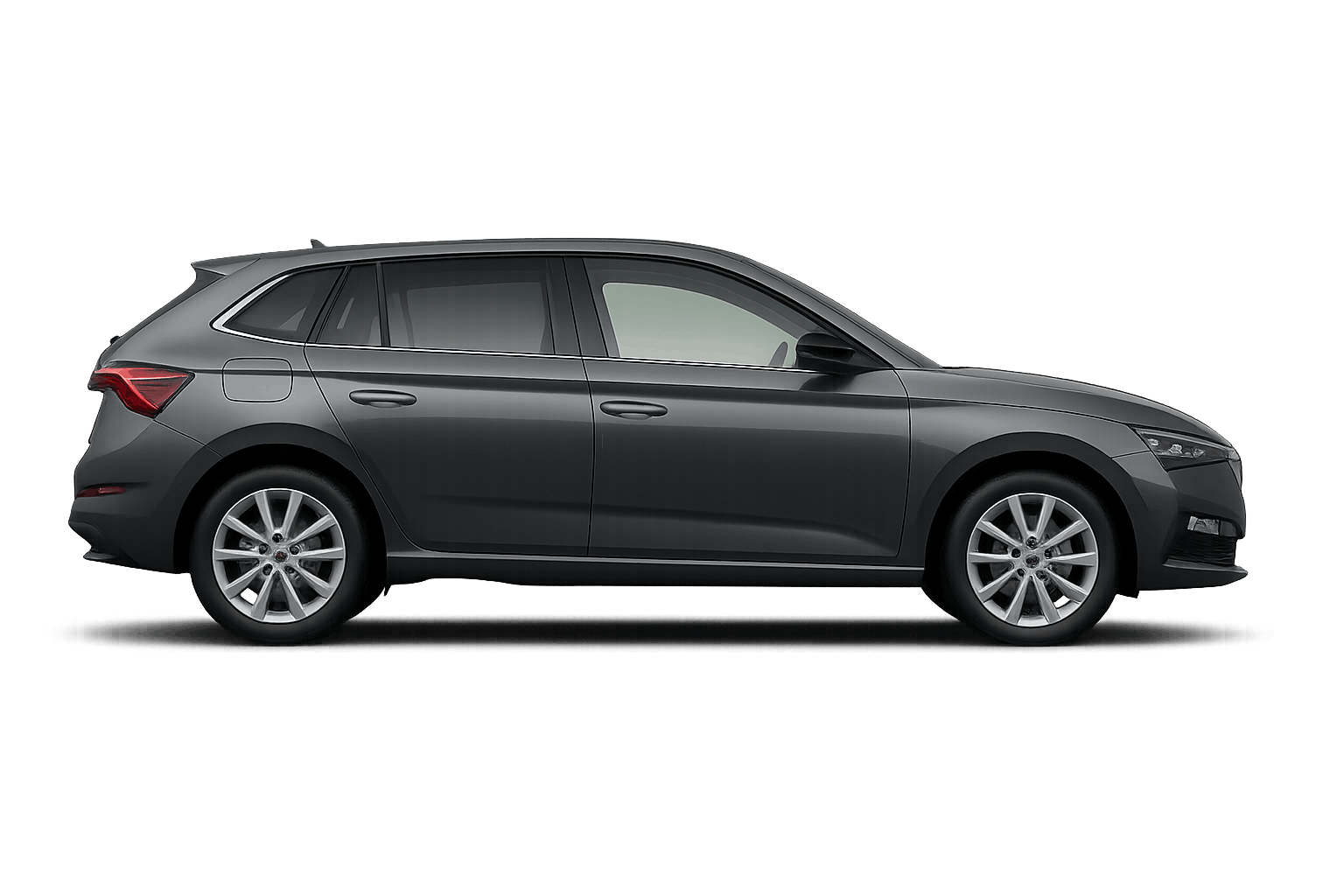
Skoda Scala
5 passengers
2 suitcases
4 bags
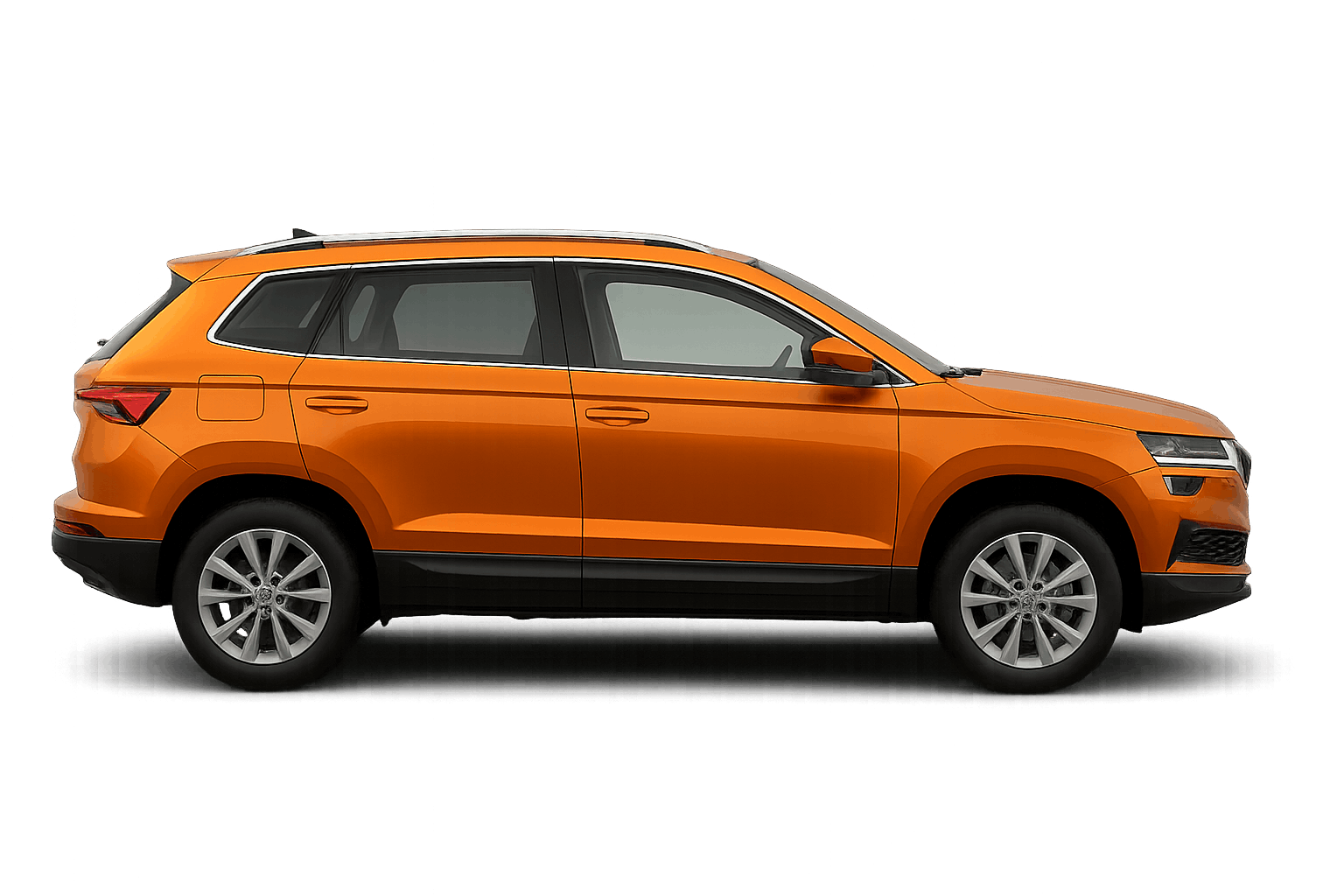
Skoda Karoq
5 passengers
2 suitcases
3 bags
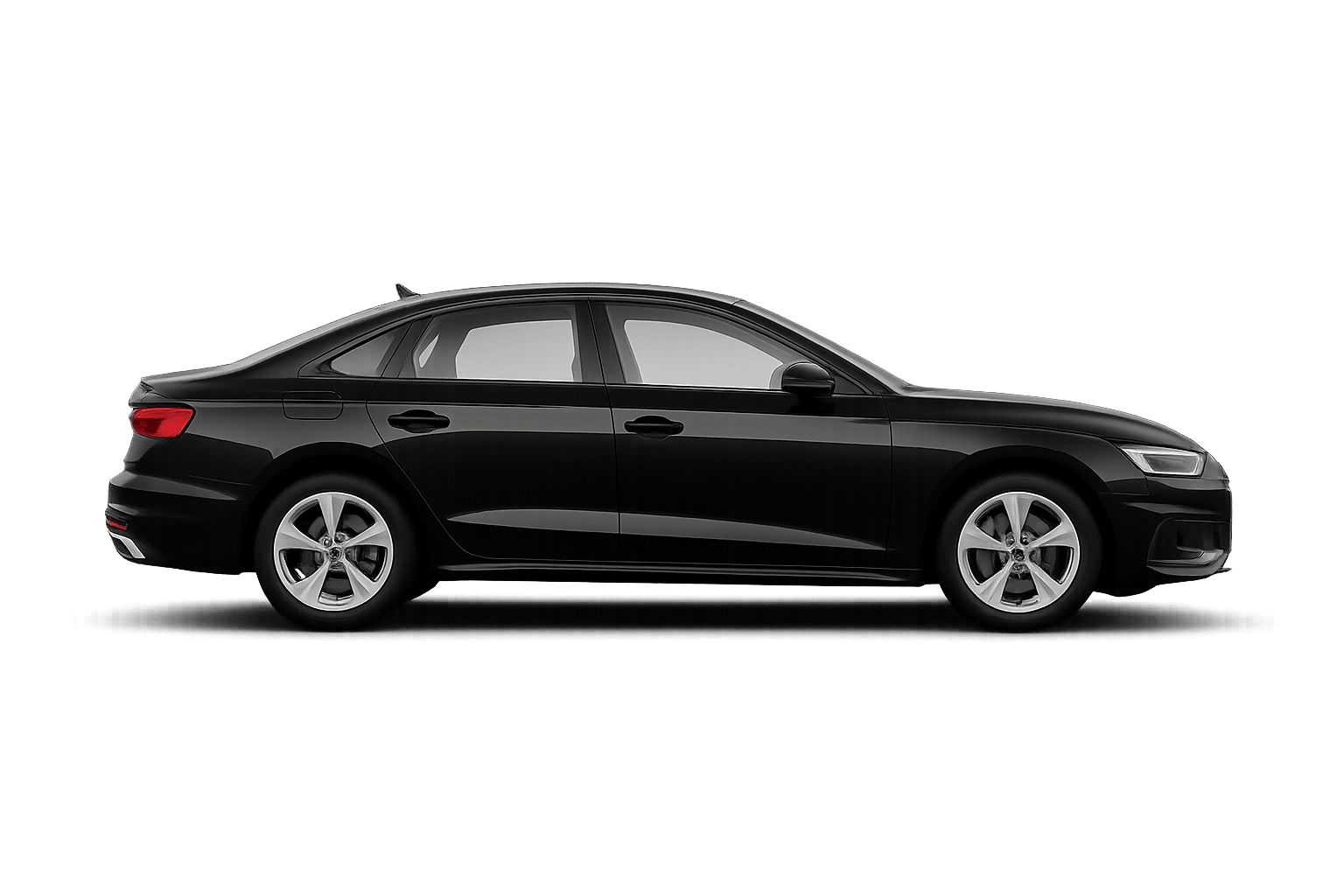
Audi A5
5 passengers
3 suitcases
5 bags
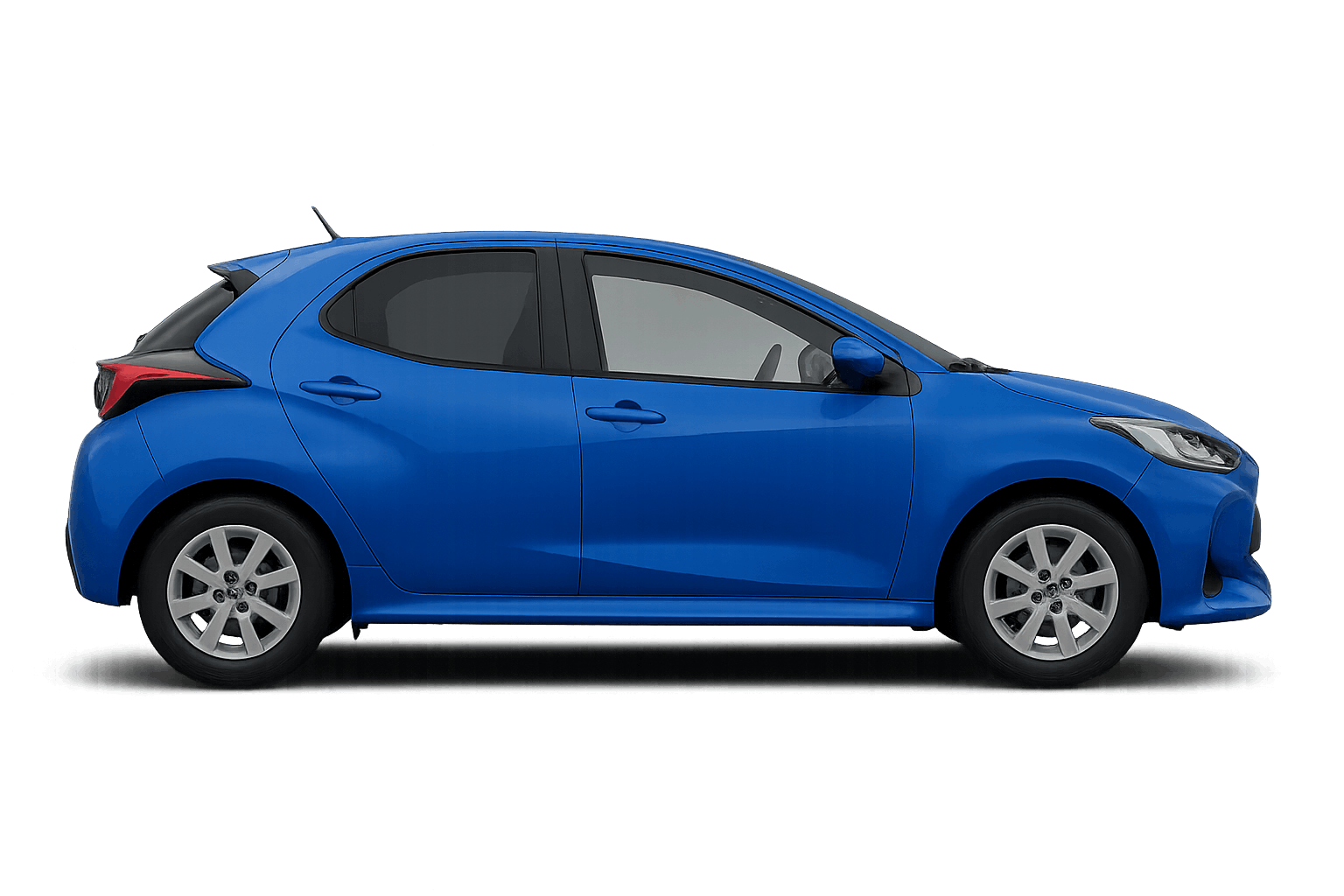
Toyota Yaris
4 passengers
1 suitcases
2 bags
Volkswagen Golf
5 passengers
3 suitcases
2 bags
Volkswagen T-Cross
5 passengers
2 suitcases
3 bags
Skoda Kamiq
SUV or Similar
5 passengers
3 suitcases
4 bags
Volkswagen Tiguan
5 passengers
3 suitcases
4 bags
Volkswagen Taigo
5 passengers
2 suitcases
3 bags
Nissan Qashqai
5 passengers
3 suitcases
4 bags
Toyota Camry
5 passengers
3 suitcases
4 bags
Cupra Terramar
Cupra Terramar
3 suitcases
4 bags
Skoda Fabia
5 passengers
2 suitcases
3 bags
Skoda Scala
5 passengers
2 suitcases
4 bags
Skoda Karoq
5 passengers
2 suitcases
3 bags
Audi A5
5 passengers
3 suitcases
5 bags
Toyota Yaris
4 passengers
1 suitcases
2 bags
Compact SUVs offer the perfect mix of comfort, efficiency, and versatility. Bigger and more capable than standard compact cars, yet easier to handle than full-size SUVs, they provide elevated seating, improved visibility, and extra space for luggage. Compact SUVs perform well on highways, small mountain roads, and mixed terrain, making them a top choice for travelers who want flexibility without sacrificing fuel efficiency.
Best for:
Small families, couples, mixed-terrain trips, island travel, scenic road trips, travelers who want more space than a compact car.
Typical models:
Kia Sportage, Nissan Juke, Renault Captur, Hyundai Kona, Toyota C-HR.
Best for:
Small families, couples, mixed-terrain trips, island travel, scenic road trips, travelers who want more space than a compact car.
Typical models:
Kia Sportage, Nissan Juke, Renault Captur, Hyundai Kona, Toyota C-HR.
Volkswagen T-Cross
5 passengers
2 suitcases
3 bags
Volkswagen Taigo
5 passengers
2 suitcases
3 bags
Skoda Karoq
5 passengers
2 suitcases
3 bags
Volkswagen T-Cross
5 passengers
2 suitcases
3 bags
Volkswagen Taigo
5 passengers
2 suitcases
3 bags
Skoda Karoq
5 passengers
2 suitcases
3 bags
Standard cars offer the ideal balance of comfort, space, and performance for travelers who need more room than a compact vehicle can provide. With larger interiors, stronger engines, and improved driving stability, this category is perfect for longer road trips, family holidays, or journeys that involve highway driving. Standard cars typically have generous trunk space, making them suitable for multiple suitcases and travel gear.
Best for:
Families, groups of 3–5 travelers, longer trips, highway driving, destinations with varied terrain.
Typical models:
Toyota Corolla Sedan, Volkswagen Passat, Skoda Octavia, Hyundai Elantra.
Best for:
Families, groups of 3–5 travelers, longer trips, highway driving, destinations with varied terrain.
Typical models:
Toyota Corolla Sedan, Volkswagen Passat, Skoda Octavia, Hyundai Elantra.
Volkswagen Golf
5 passengers
3 suitcases
2 bags
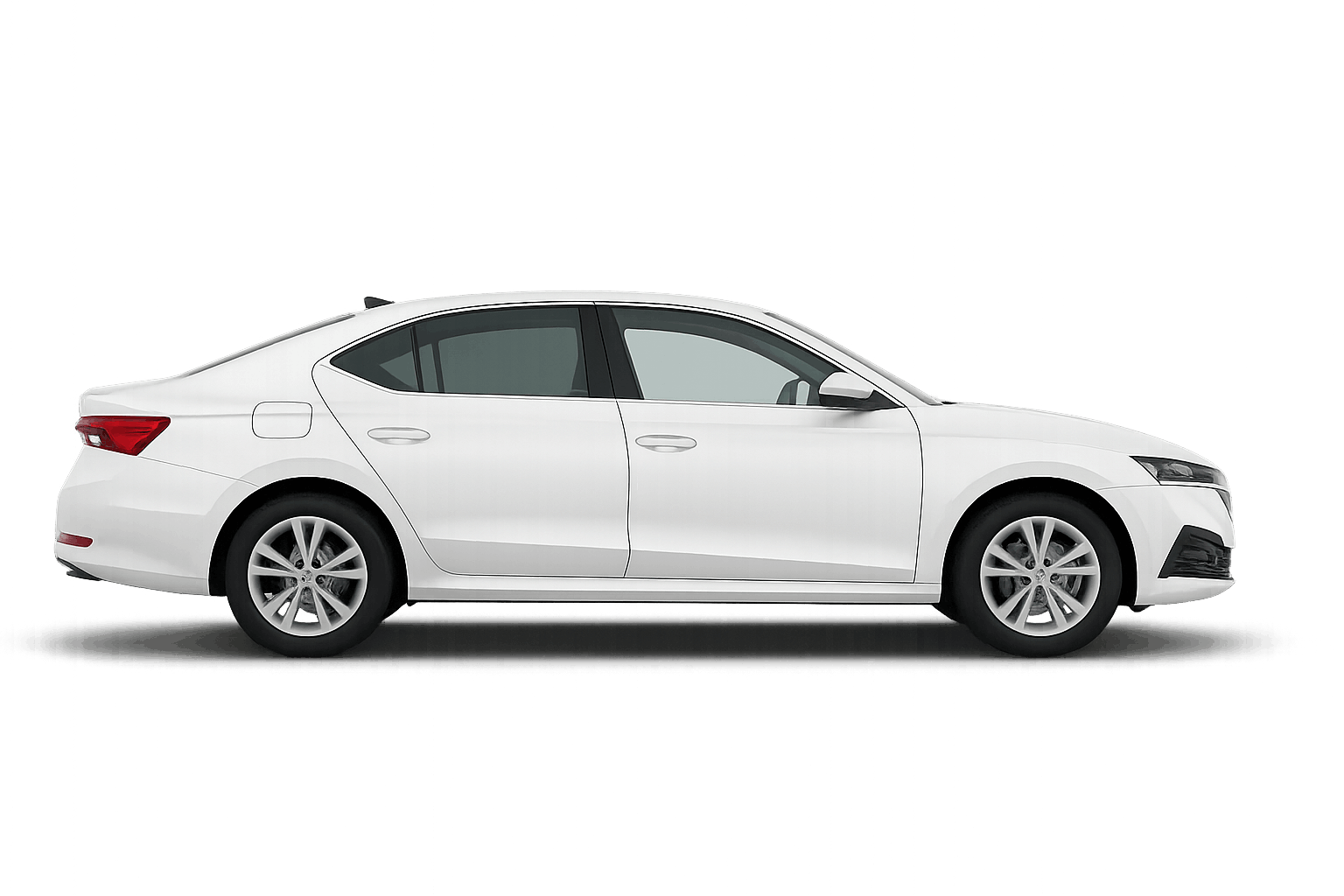
Skoda Superb
5 passengers
4 suitcases
5 bags
Volkswagen Golf
5 passengers
3 suitcases
2 bags
Skoda Superb
5 passengers
4 suitcases
5 bags
Compact cars are the perfect balance between size, comfort, and fuel efficiency. Ideal for couples or small families, they offer enough space for luggage while remaining easy to park in busy cities and narrow European streets. Compact vehicles perform well both in urban environments and on longer trips, making them one of the most popular categories for international travelers.
Best for:
City trips, small families, coastal driving, budget-conscious travelers.
Typical models:
Volkswagen Golf, Ford Focus, Toyota Corolla, Kia Ceed.
Best for:
City trips, small families, coastal driving, budget-conscious travelers.
Typical models:
Volkswagen Golf, Ford Focus, Toyota Corolla, Kia Ceed.
Skoda Scala
5 passengers
2 suitcases
4 bags
Skoda Scala
5 passengers
2 suitcases
4 bags
Compact cars are the perfect balance between size, comfort, and fuel efficiency. Ideal for couples or small families, they offer enough space for luggage while remaining easy to park in busy cities and narrow European streets. Compact vehicles perform well both in urban environments and on longer trips, making them one of the most popular categories for international travelers.
Best for:
City trips, small families, coastal driving, budget-conscious travelers.
Typical models:
Volkswagen Golf, Ford Focus, Toyota Corolla, Kia Ceed.
Best for:
City trips, small families, coastal driving, budget-conscious travelers.
Typical models:
Volkswagen Golf, Ford Focus, Toyota Corolla, Kia Ceed.
Skoda Fabia
5 passengers
2 suitcases
3 bags
Toyota Yaris
4 passengers
1 suitcases
2 bags
Skoda Fabia
5 passengers
2 suitcases
3 bags
Toyota Yaris
4 passengers
1 suitcases
2 bags
Premium cars are designed for travelers who value luxury, refinement, and exceptional comfort. This category offers high–quality interiors, advanced technology, smooth performance, and powerful engines — ideal for business trips, long-distance journeys, or travelers seeking an elevated driving experience abroad. Premium vehicles deliver superior ride quality, enhanced safety features, and a stylish presence on the road.
Best for:
Business travelers, couples seeking comfort, long-distance driving, special trips, premium-level vacations.
Typical models:
BMW 3 Series, Mercedes-Benz C-Class, Audi A5, Volvo S60.
Best for:
Business travelers, couples seeking comfort, long-distance driving, special trips, premium-level vacations.
Typical models:
BMW 3 Series, Mercedes-Benz C-Class, Audi A5, Volvo S60.
Toyota Camry
5 passengers
3 suitcases
4 bags
Audi A5
5 passengers
3 suitcases
5 bags
Toyota Camry
5 passengers
3 suitcases
4 bags
Audi A5
5 passengers
3 suitcases
5 bags
SUVs are the ideal choice for travelers who need extra space, comfort, and performance on various types of terrain. With higher ground clearance, stronger engines, and spacious interiors, SUVs provide confidence on mountain roads, rural areas, gravel surfaces, or long-distance highway trips. This category is perfect for families, adventurers, and anyone who wants a stable, secure, and comfortable driving experience abroad.
Best for:
Families, active travelers, island or mountain destinations, long-distance routes, trips requiring more luggage space.
Typical models:
Toyota RAV4, Volkswagen Tiguan, Nissan Qashqai, Hyundai Tucson.
Best for:
Families, active travelers, island or mountain destinations, long-distance routes, trips requiring more luggage space.
Typical models:
Toyota RAV4, Volkswagen Tiguan, Nissan Qashqai, Hyundai Tucson.
Skoda Kamiq
SUV or Similar
5 passengers
3 suitcases
4 bags
Volkswagen Tiguan
5 passengers
3 suitcases
4 bags
Nissan Qashqai
5 passengers
3 suitcases
4 bags
Cupra Terramar
Cupra Terramar
3 suitcases
4 bags
Skoda Kamiq
SUV or Similar
5 passengers
3 suitcases
4 bags
Volkswagen Tiguan
5 passengers
3 suitcases
4 bags
Nissan Qashqai
5 passengers
3 suitcases
4 bags
Cupra Terramar
Cupra Terramar
3 suitcases
4 bags
Top Cities and Towns:


Top Airports:


The Malpensa FAQ
How much deposit will they hold at MXP?
It varies wildly by company and car class, but expect anywhere from €500 to €2,000 to be blocked on your credit card. If you buy their expensive “Super Cover” at the desk, they usually drop the deposit requirement to zero (or something nominal like €100 for fuel).
What are the age requirements for renting in Milan?
You can legally rent a car at 18 in Italy, but good luck finding a company that won’t punish you for it. Almost all major agencies at Malpensa charge a hefty “Young Driver Surcharge” (often €15-€25 per day) if you are under 25. You’ll also be restricted from renting luxury cars or large SUVs.
Can I drive my rental car into Switzerland?
Malpensa is incredibly close to the Swiss border. Yes, you can drive into Switzerland, but you must tell the rental desk. They might charge a cross-border fee. More importantly, to drive on Swiss highways, you need a “Vignette” (a toll sticker) on your windshield. You can buy this at gas stations near the border for about CHF 40. Don’t skip it; the border police check constantly.
Do I need winter tires at Malpensa?
If you are renting between November 15th and April 15th, Italian law mandates that cars either have winter tires fitted OR carry snow chains in the trunk when driving outside urban areas (which you will be doing the second you leave MXP). Most rental companies at Malpensa equip their cars with chains to meet the legal minimum, but if you are heading up into the Dolomites or the Alps, specifically request winter tires in advance.
Your journey starts here.
Find the perfect rental car for your destination and enjoy flexible, affordable car hire wherever you go.


