
Wide selection & availability

Flexible, easy and fast

Transparent pricing
Trusted by travelers













Faro Airport Car Rental: How to Not Get Ripped Off and Actually Enjoy the Drive
You know that feeling. You step off the plane, and that first blast of warm, salty Atlantic air hits your face. You’ve made it. The Algarve is waiting. But between you and that chilled glass of Vinho Verde by the beach stands the ultimate buzzkill: the arrivals hall car rental circus.
I’ve been there more times than I can count. Staring at a carousel that refuses to spit out my suitcase, mentally preparing for battle at the rental counter. Renting a car in Portugal is brilliant—honestly, it’s the only way to truly see the secret coves and mountain villages—but it can also be a minefield of hidden fees, aggressive upselling, and confusing toll roads.
I wrote this guide because I want to save you the headache. We’re going to cut through the marketing fluff and get straight to the facts.
The Short Version: Everything you need to know in 30 seconds
- Where are the desks? The major players are right inside the arrivals hall (turn right after customs). The budget options require a short, sweaty walk out to Car Park 4 (P4) to catch a shuttle.
- How’s the shuttle situation? Chaotic in July and August. You’ll be standing in the sun waiting for a branded van to whisk you to an off-site lot 5 minutes away. If you have screaming toddlers, pay the premium for an in-terminal desk.
- Paperwork you’ll actually need: A valid driver’s license, a passport, and a physical credit card in the main driver’s name (they will reject debit cards or Apple Pay for the deposit).
- A realistic price expectation: In November? 10€ a day. In mid-August? 60€ to 100€+ a day. Book early.
You know that feeling. You step off the plane, and that first blast of warm, salty Atlantic air hits your face. You’ve made it. The Algarve is waiting. But between you and that chilled glass of Vinho Verde by the beach stands the ultimate buzzkill: the arrivals hall car rental circus.
I’ve been there more times than I can count. Staring at a carousel that refuses to spit out my suitcase, mentally preparing for battle at the rental counter. Renting a car in Portugal is brilliant—honestly, it’s the only way to truly see the secret coves and mountain villages—but it can also be a minefield of hidden fees, aggressive upselling, and confusing toll roads.
I wrote this guide because I want to save you the headache. We’re going to cut through the marketing fluff and get straight to the facts.
The Short Version: Everything you need to know in 30 seconds
- Where are the desks? The major players are right inside the arrivals hall (turn right after customs). The budget options require a short, sweaty walk out to Car Park 4 (P4) to catch a shuttle.
- How’s the shuttle situation? Chaotic in July and August. You’ll be standing in the sun waiting for a branded van to whisk you to an off-site lot 5 minutes away. If you have screaming toddlers, pay the premium for an in-terminal desk.
- Paperwork you’ll actually need: A valid driver’s license, a passport, and a physical credit card in the main driver’s name (they will reject debit cards or Apple Pay for the deposit).
- A realistic price expectation: In November? 10€ a day. In mid-August? 60€ to 100€+ a day. Book early.
T1 or P4: Where is My Car Actually Parked?
Faro Airport (FAO) isn’t massive. There’s only one terminal, which is a blessing. But your rental experience entirely depends on who you book with.
If you book with a premium brand (think Hertz, Avis, Europcar car rental), their desks are directly inside the terminal. You grab the keys, walk across the road, and your car is waiting.
If you book with a budget or local brand to get the best car hire Faro offers, you are heading to P4. You’ll exit the terminal, take a left, and follow a covered walkway for about five minutes. It’s not a terrible walk, but dragging luggage over cobblestones while a wheel gets stuck in a groove is a rite of passage.
Here is the breakdown:
| Rental Type | Location | Pros | Cons |
| In-Terminal (Premium) | Arrivals Hall | Fast, zero shuttles, easy drop-off. | Noticeably more expensive. |
| Off-Site (Budget) | Shuttle from P4 | Much cheaper base rates. | The dreaded wait in the sun for the shuttle. Eksportuoti į Skaičiuokles |
Between us: If your flight lands past 10:00 PM, double-check your rental company’s operating hours. Many off-site providers charge a “late night pickup fee” of €30-€50, which instantly wipes out whatever money you saved by not booking a premium brand.
The Reality Check
Let’s get brutally honest. Car rental at Faro airport is a massive business, and the counter staff are heavily incentivized to squeeze a few extra euros out of your vacation budget. Protect yourself from these common traps.
The Upgrade Illusion
“We don’t have your economy car, but for just €15 more a day, I can put you in a premium SUV.” Don’t fall for it. If they ran out of the car you booked, they are legally obligated to upgrade you for free. Hold your ground. Smile, but don’t budge. Also, trying to fit three suitcases into a Fiat 500 is a hilarious spectator sport, but maybe book the station wagon if you pack heavy.
| The Car You Book | The Luggage Reality | Best For… |
| Mini (e.g., Fiat 500) | 1 carry-on, or 2 squished soft bags. | Couples hugging the coast. |
| Economy (e.g., VW Polo) | 1 large suitcase + 1 carry-on. | Small families, tight village parking. |
| Compact SUV | 2 large suitcases. | Hauling beach gear and highway cruising. Eksportuoti į Skaičiuokles |
The Cleaning Fee Scam
The Algarve is essentially a giant beach. You will get sand in the car. Most companies accept a normal amount of dirt. However, some budget providers at Faro will slap you with a €50 “deep cleaning fee” if they find wet swimwear marks on the seats or half a dune of sand in the trunk. Shake out your towels before you load up.
Aggressive Insurance Tactics
You will be told that your third-party booking site insurance is “invalid” or “too complicated” and that if you scratch a hubcap, it’ll ruin your life. They want you to buy their Super Collision Damage Waiver (SCDW) at €20+ a day.
Is the Extra Insurance a Scam?
“Scam” is a strong word, but it’s definitely a hard sell. Here is the reality.
If you bought full coverage through a booking platform, you are insured. However, the local rental desk will still hold a massive deposit on your credit card (often €1,200 to €2,000). If you damage the car, the Faro desk charges you, and you have to claim the money back from your booking platform.
If you buy the local desk’s premium insurance, they waive the deposit to zero. You just drop the keys and walk away. Is peace of mind worth an extra €150 for a week? That’s entirely up to your risk tolerance and your credit limit.
Between us: Before you even put the key in the ignition, take a slow, 4K video of the entire car. Get under the bumper. Film the windshield for tiny chips. Film the fuel gauge. This 60-second video is your absolute best defense against bogus damage claims.
The Toll Road Nightmare (And How to Survive It)
Driving in the Algarve involves a choice: the N125 or the A22.
The N125 is the free, scenic road that runs along the coast. It is also packed with tractors, aggressive delivery drivers, and roughly four thousand roundabouts.
The A22 is the beautiful, smooth, empty highway. It is an electronic toll road. There are no toll booths. Cameras just scan your license plate as you drive under metal gantries.
How do you pay for the A22 in a rental car?
Do not attempt to pay it yourself at a local post office later. It’s a bureaucratic nightmare. Simply rent the Via Verde transponder from the rental desk. It costs about €1.50 to €2.00 per day. It links the tolls directly to your credit card. You drive through the electronic lanes without stopping, and a few weeks later, the exact toll amounts are charged to your card. Simple, clean, and worth every penny to avoid the N125 traffic jams.
Ready to Hit the Road?
Renting a car in Faro doesn’t have to be a stressful ordeal. Once you know the rules of the game – holding your ground on upgrades, taking that walk-around video, and paying the small daily fee for the toll transponder – the rest is easy.
The Algarve is built for road trips. You’ve got the towering cliffs of Sagres in the west, the winding mountain roads of Monchique, and the quiet, whitewashed towns near the Spanish border.
Don’t let the horror stories scare you off. Be smart, be prepared, and most importantly, don’t pay more than you have to. Prices fluctuate wildly based on fleet availability and season. To ensure you’re getting the most transparent, honest rates without the exhausting runaround, comparing options in advance is the single smartest move you can make for this trip.
Skip the shady local operators and use our car rental comparison tool to find exactly what you need at the best possible price.
Car Rental Categories Explained
Choosing a rental car isn’t just about picking any vehicle — different categories can change your whole travel experience. Each class has its own benefits: some are cheaper to rent and insure, others offer more space, power, or comfort. Whether you’re looking for a budget-friendly city car, a family-size SUV, an electric option, or something a bit more premium, browsing all categories helps you find the best match for your route, luggage, group size, and budget. Take a moment to compare — the right choice can save you money on fuel, insurance, and daily rental costs.
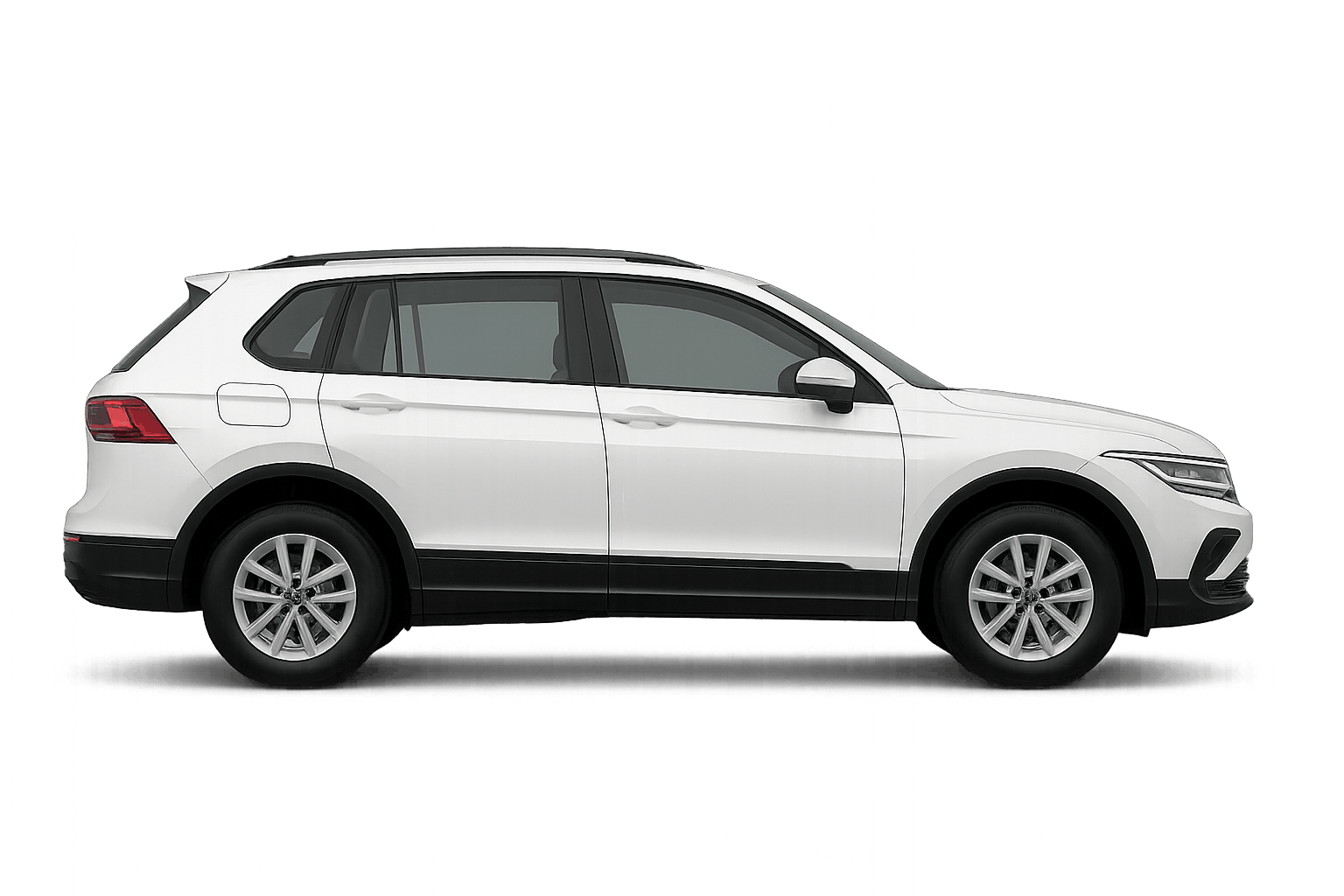
Volkswagen Tiguan
5 passengers
3 suitcases
4 bags
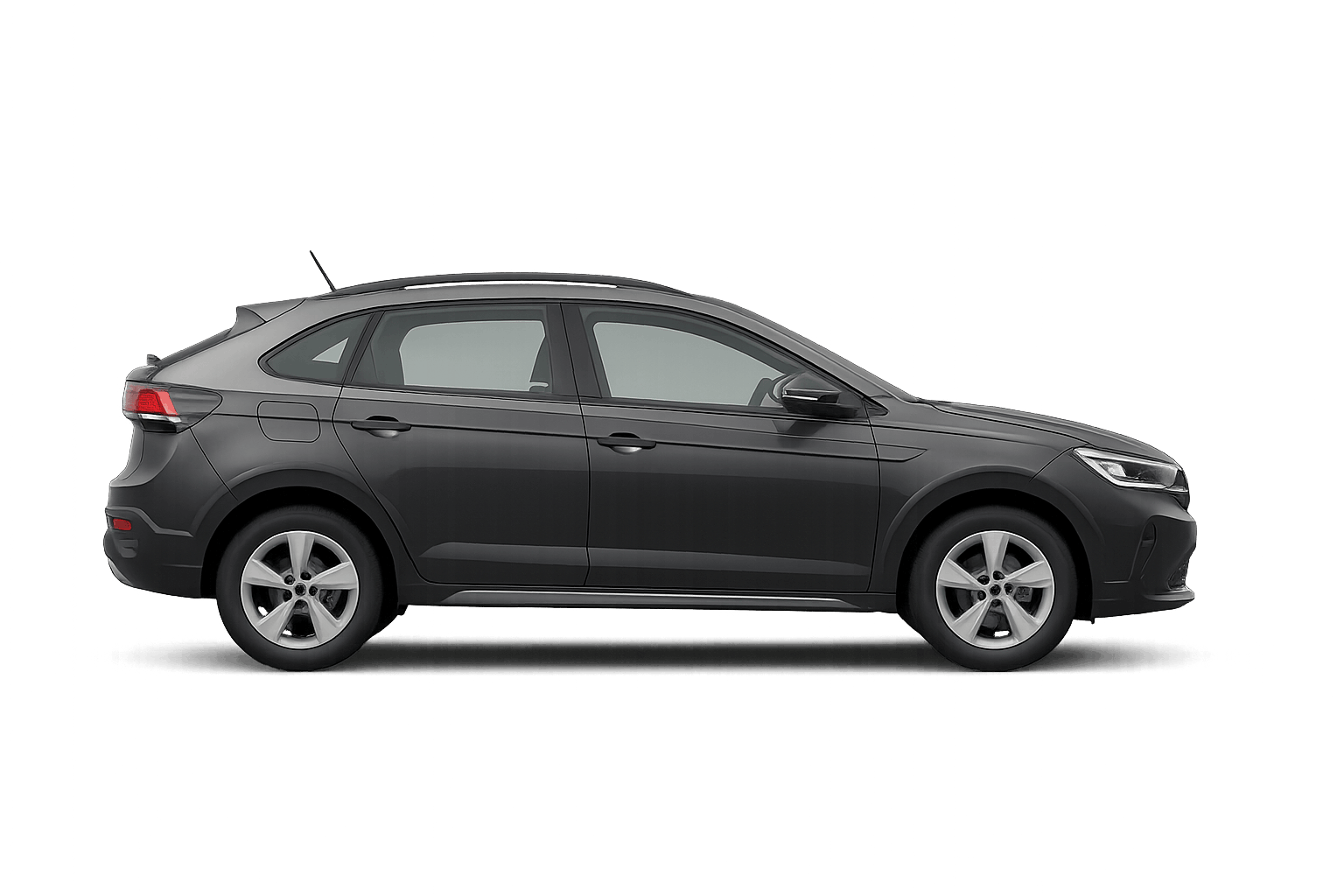
Volkswagen Taigo
5 passengers
2 suitcases
3 bags
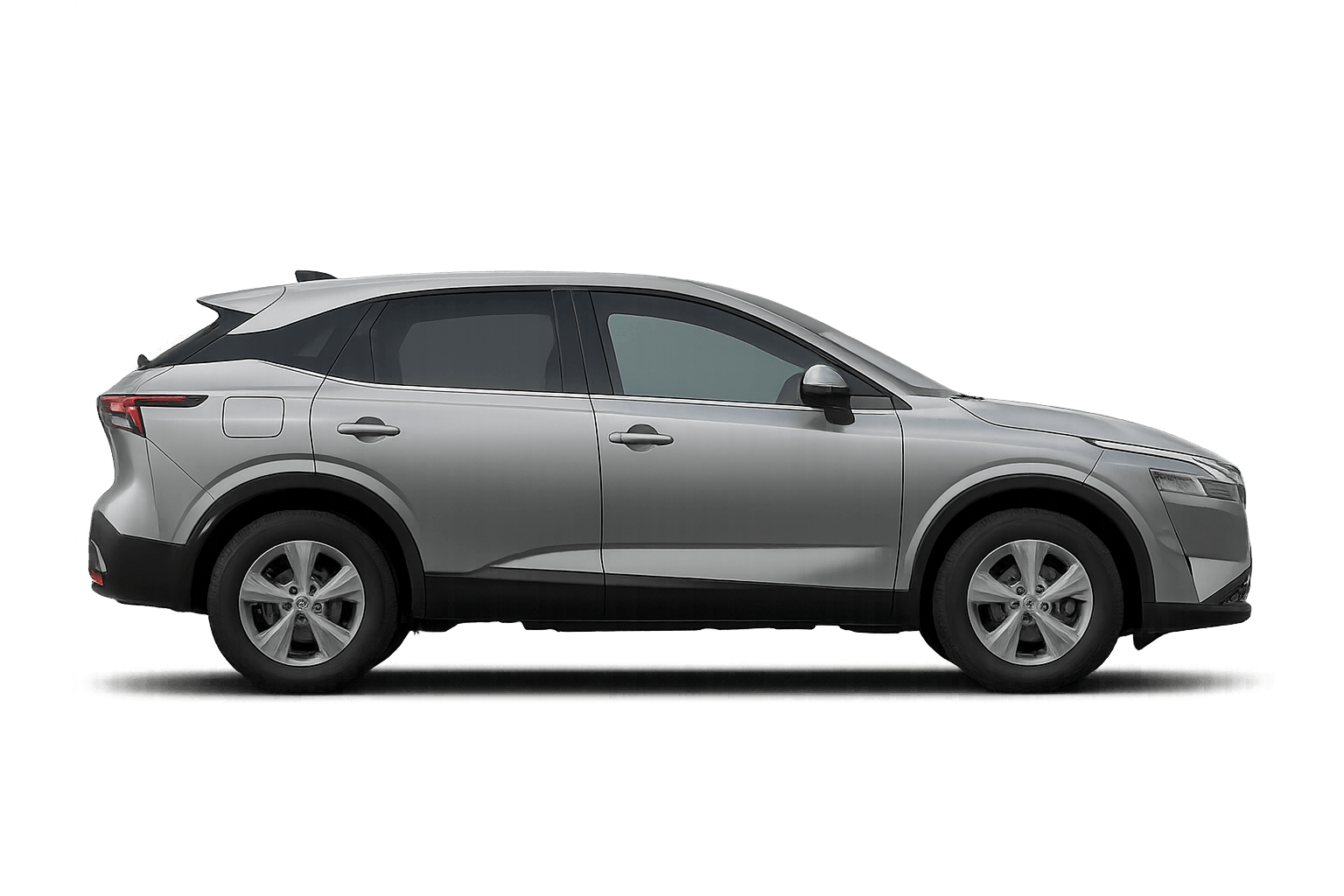
Nissan Qashqai
5 passengers
3 suitcases
4 bags
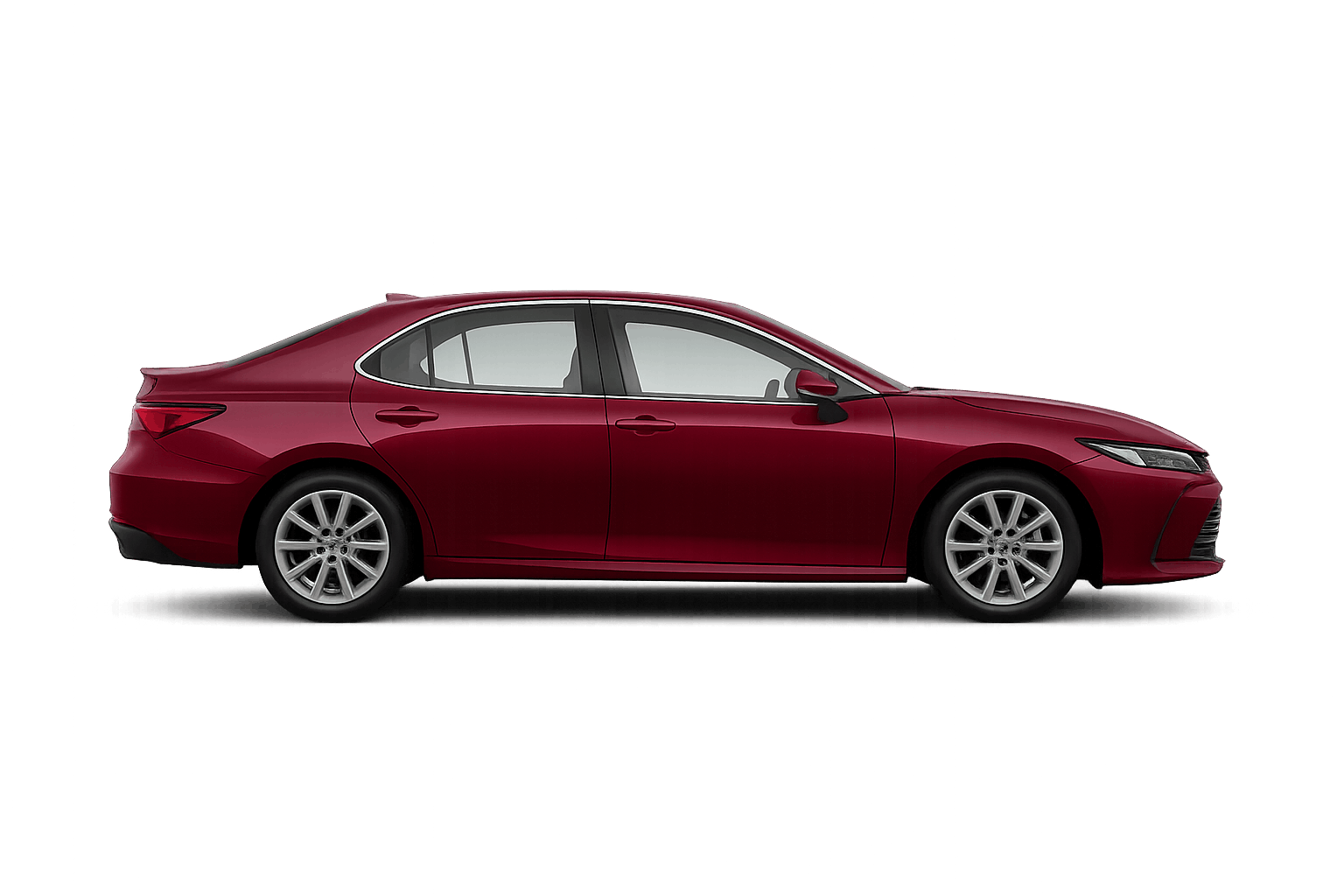
Toyota Camry
5 passengers
3 suitcases
4 bags
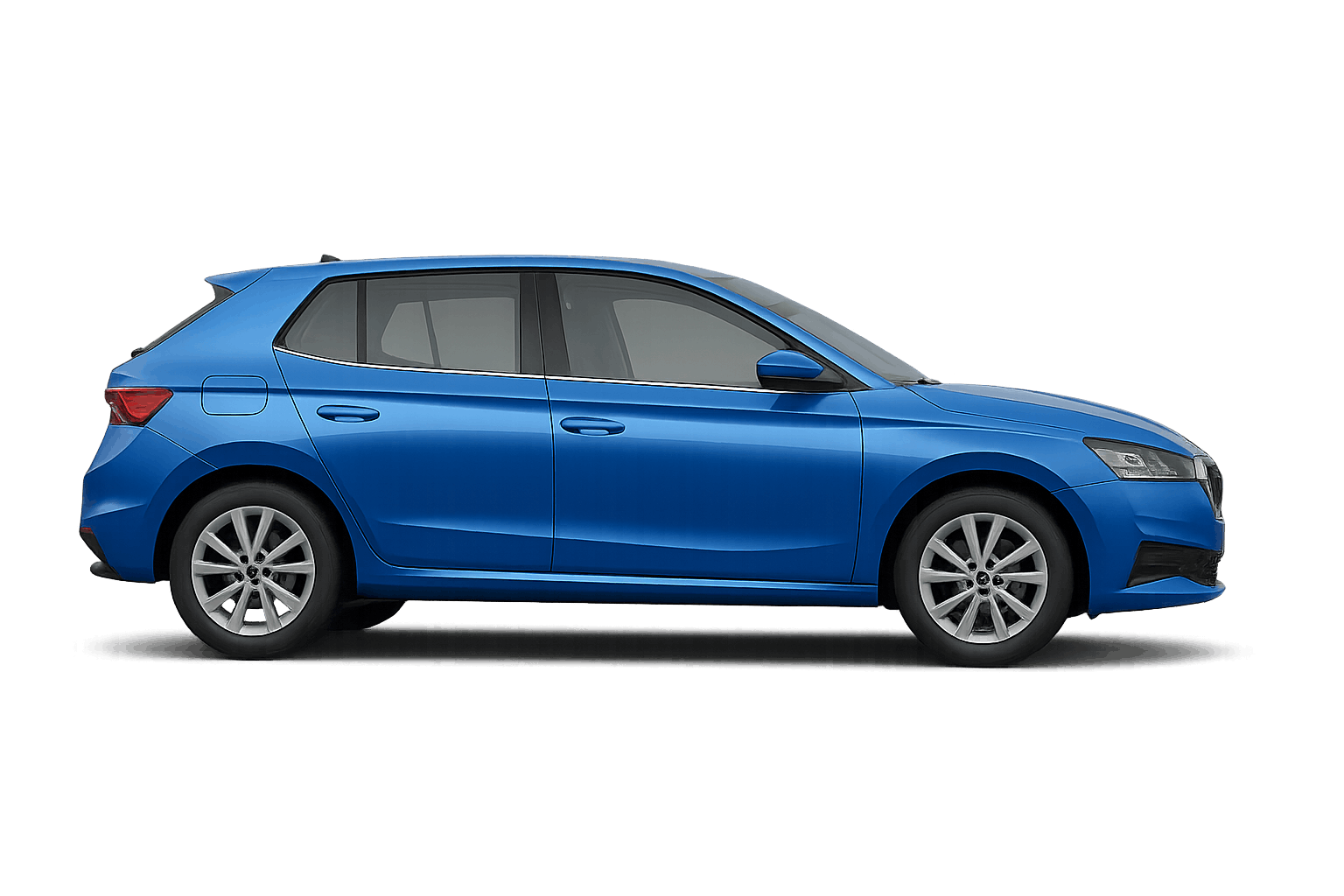
Skoda Fabia
5 passengers
2 suitcases
3 bags
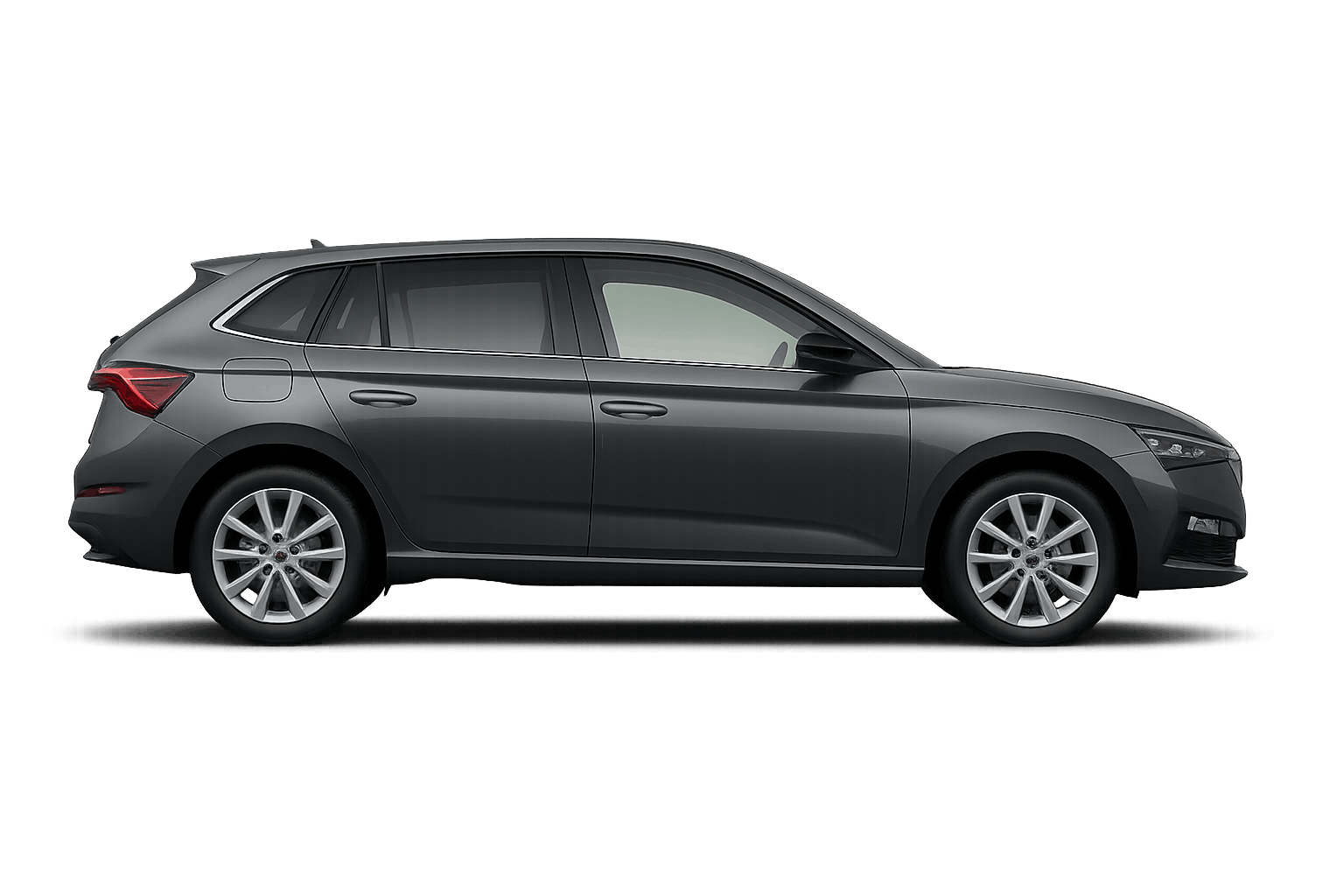
Skoda Scala
5 passengers
2 suitcases
4 bags
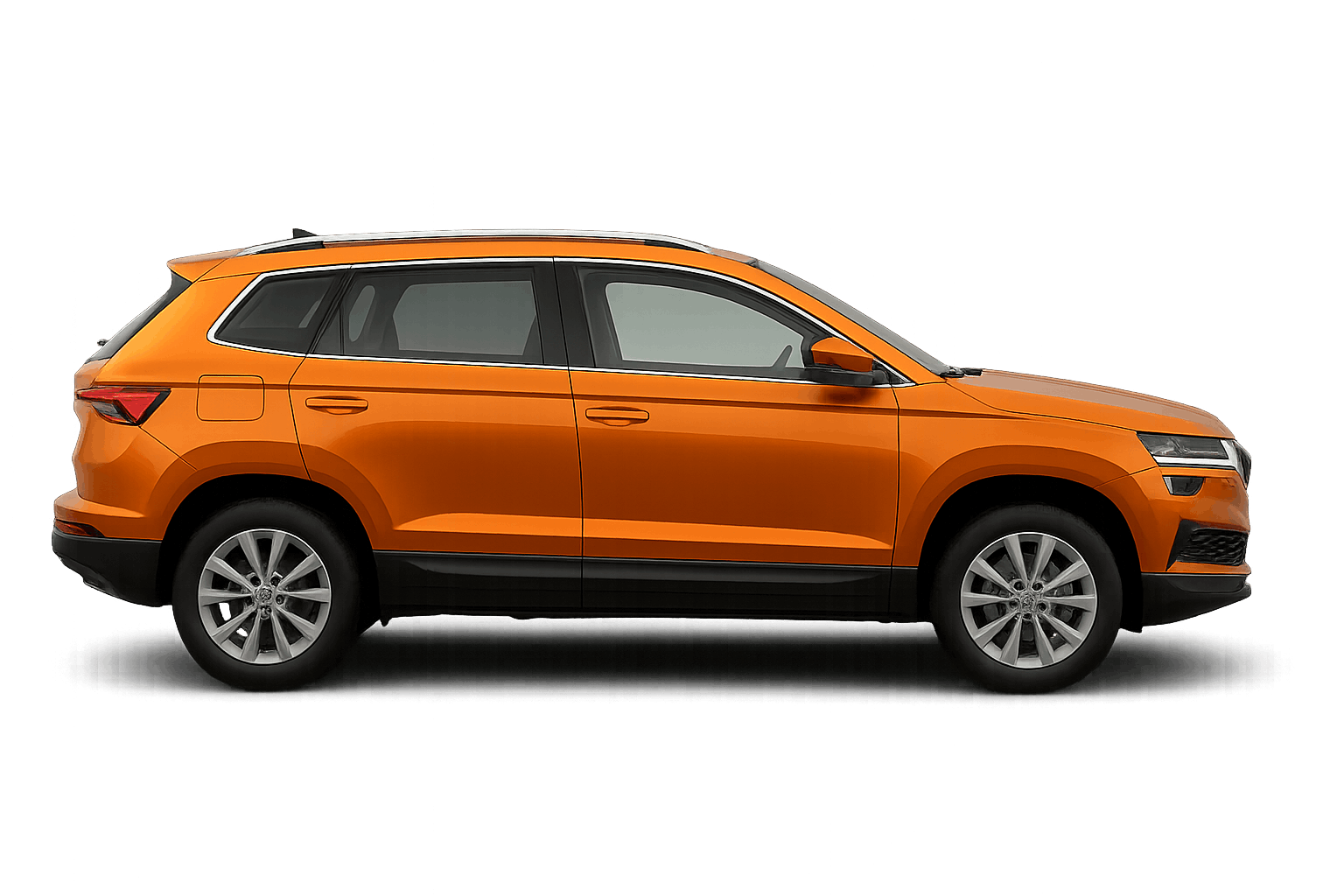
Skoda Karoq
5 passengers
2 suitcases
3 bags
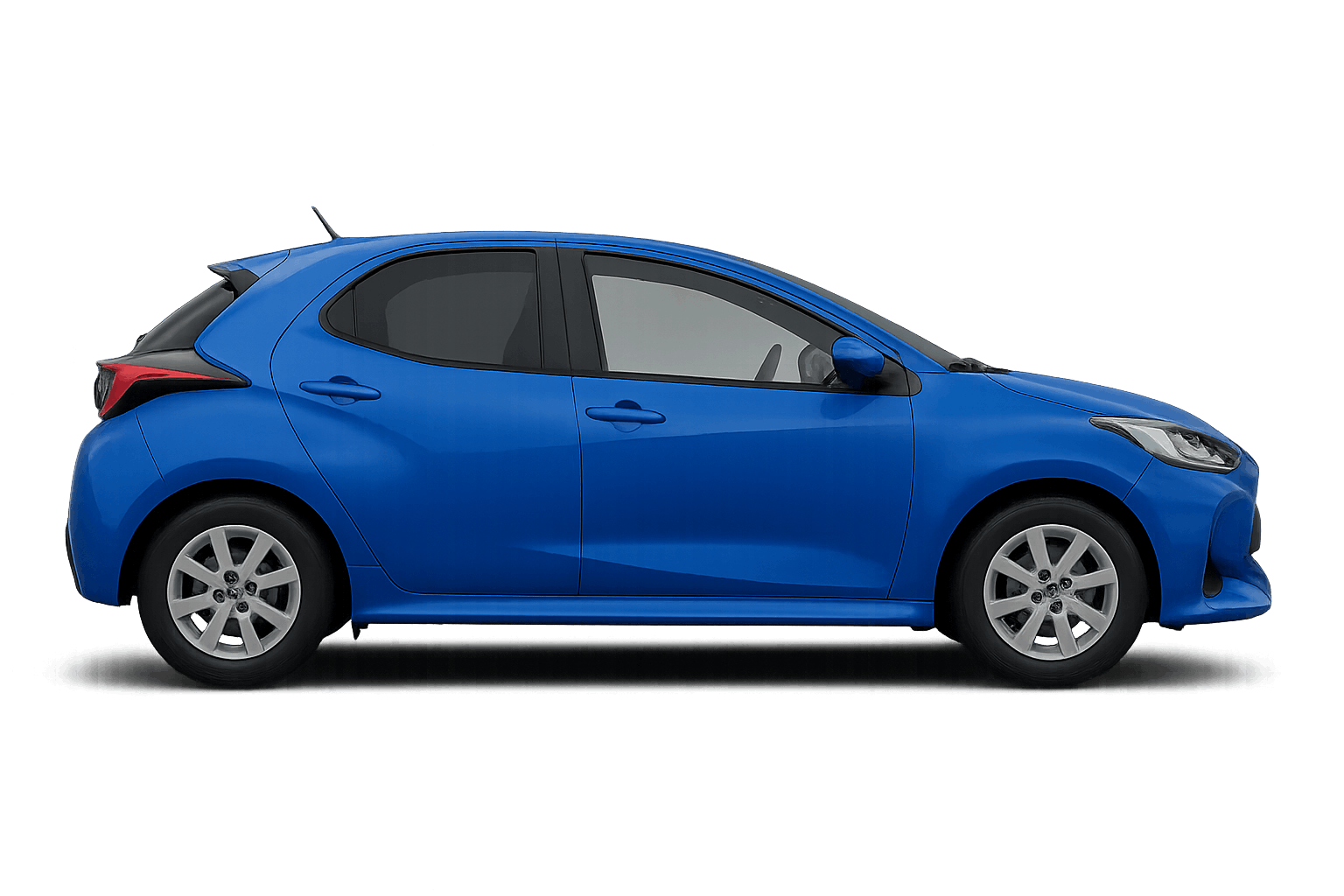
Toyota Yaris
4 passengers
1 suitcases
2 bags
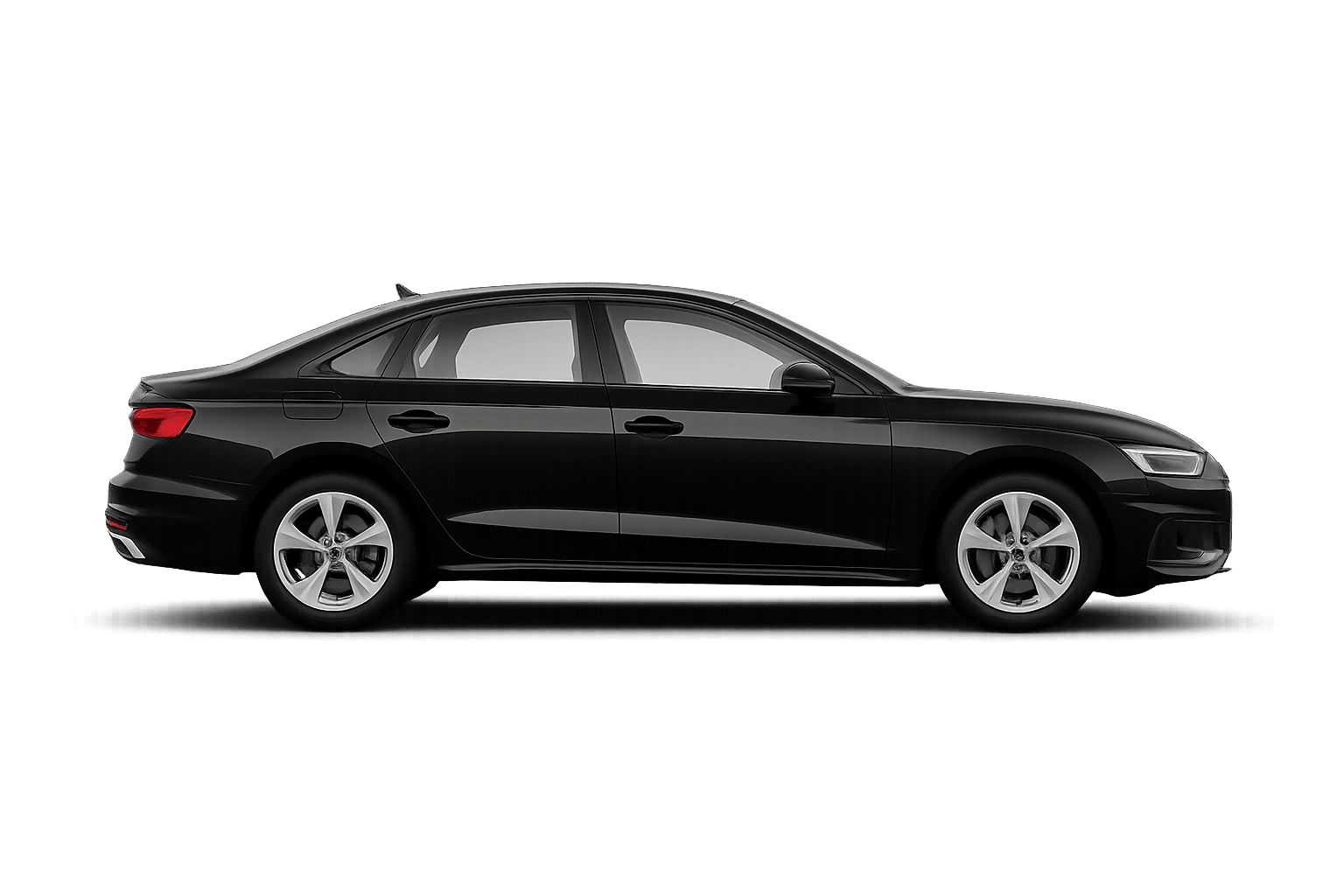
Audi A5
5 passengers
3 suitcases
5 bags
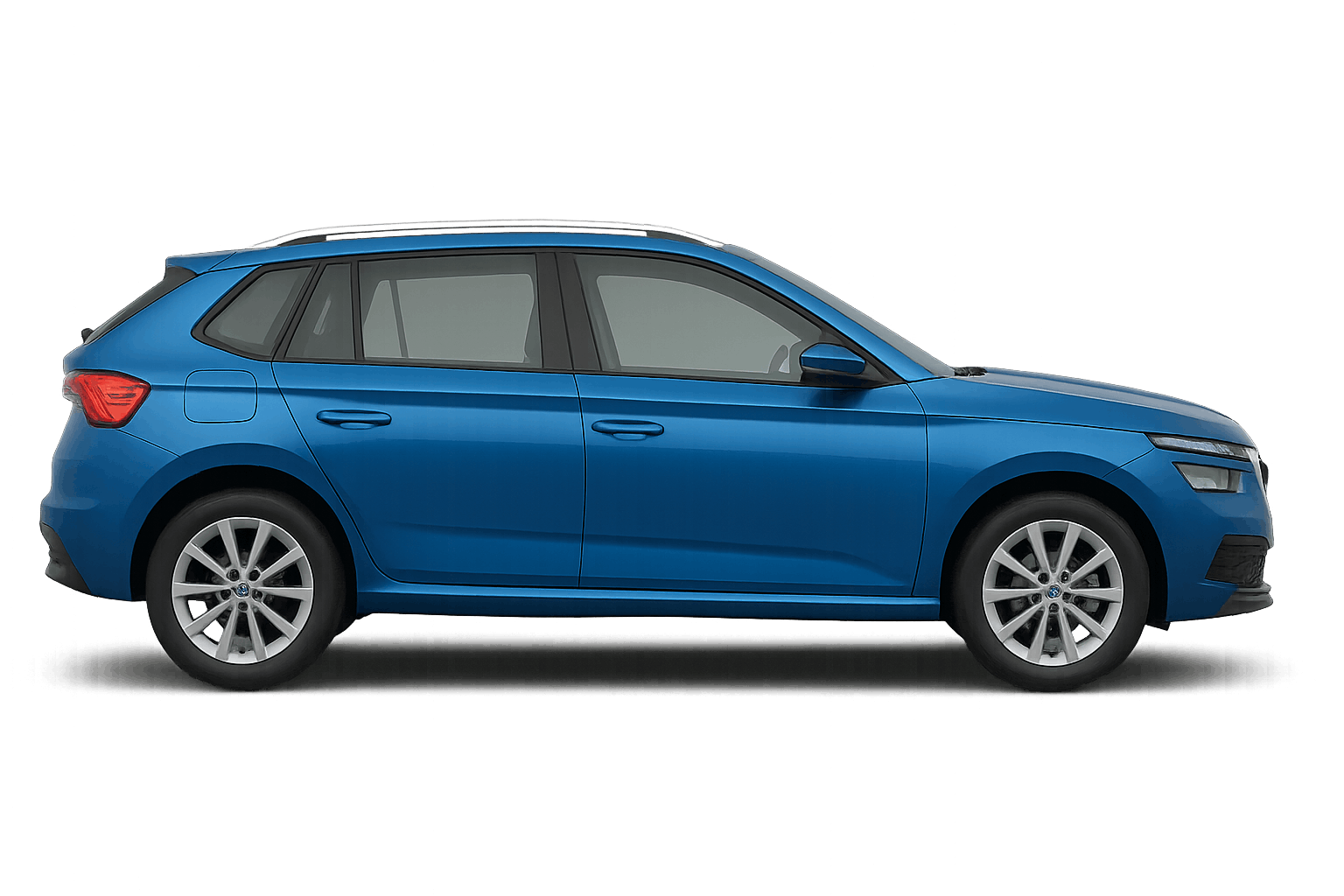
Skoda Kamiq
SUV or Similar
5 passengers
3 suitcases
4 bags
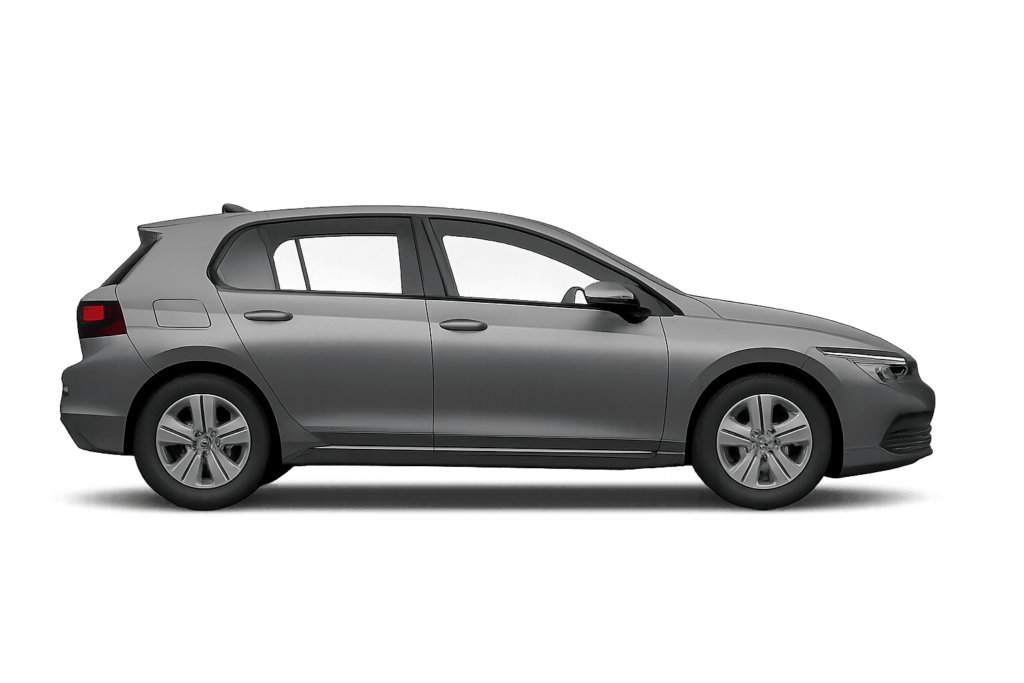
Volkswagen Golf
5 passengers
3 suitcases
2 bags
Volkswagen Tiguan
5 passengers
3 suitcases
4 bags
Volkswagen Taigo
5 passengers
2 suitcases
3 bags
Nissan Qashqai
5 passengers
3 suitcases
4 bags
Toyota Camry
5 passengers
3 suitcases
4 bags
Skoda Fabia
5 passengers
2 suitcases
3 bags
Skoda Scala
5 passengers
2 suitcases
4 bags
Skoda Karoq
5 passengers
2 suitcases
3 bags
Toyota Yaris
4 passengers
1 suitcases
2 bags
Audi A5
5 passengers
3 suitcases
5 bags
Skoda Kamiq
SUV or Similar
5 passengers
3 suitcases
4 bags
Volkswagen Golf
5 passengers
3 suitcases
2 bags
Compact SUVs offer the perfect mix of comfort, efficiency, and versatility. Bigger and more capable than standard compact cars, yet easier to handle than full-size SUVs, they provide elevated seating, improved visibility, and extra space for luggage. Compact SUVs perform well on highways, small mountain roads, and mixed terrain, making them a top choice for travelers who want flexibility without sacrificing fuel efficiency.
Best for:
Small families, couples, mixed-terrain trips, island travel, scenic road trips, travelers who want more space than a compact car.
Typical models:
Kia Sportage, Nissan Juke, Renault Captur, Hyundai Kona, Toyota C-HR.
Best for:
Small families, couples, mixed-terrain trips, island travel, scenic road trips, travelers who want more space than a compact car.
Typical models:
Kia Sportage, Nissan Juke, Renault Captur, Hyundai Kona, Toyota C-HR.
Volkswagen Taigo
5 passengers
2 suitcases
3 bags
Skoda Karoq
5 passengers
2 suitcases
3 bags
Volkswagen Taigo
5 passengers
2 suitcases
3 bags
Skoda Karoq
5 passengers
2 suitcases
3 bags
Standard cars offer the ideal balance of comfort, space, and performance for travelers who need more room than a compact vehicle can provide. With larger interiors, stronger engines, and improved driving stability, this category is perfect for longer road trips, family holidays, or journeys that involve highway driving. Standard cars typically have generous trunk space, making them suitable for multiple suitcases and travel gear.
Best for:
Families, groups of 3–5 travelers, longer trips, highway driving, destinations with varied terrain.
Typical models:
Toyota Corolla Sedan, Volkswagen Passat, Skoda Octavia, Hyundai Elantra.
Best for:
Families, groups of 3–5 travelers, longer trips, highway driving, destinations with varied terrain.
Typical models:
Toyota Corolla Sedan, Volkswagen Passat, Skoda Octavia, Hyundai Elantra.
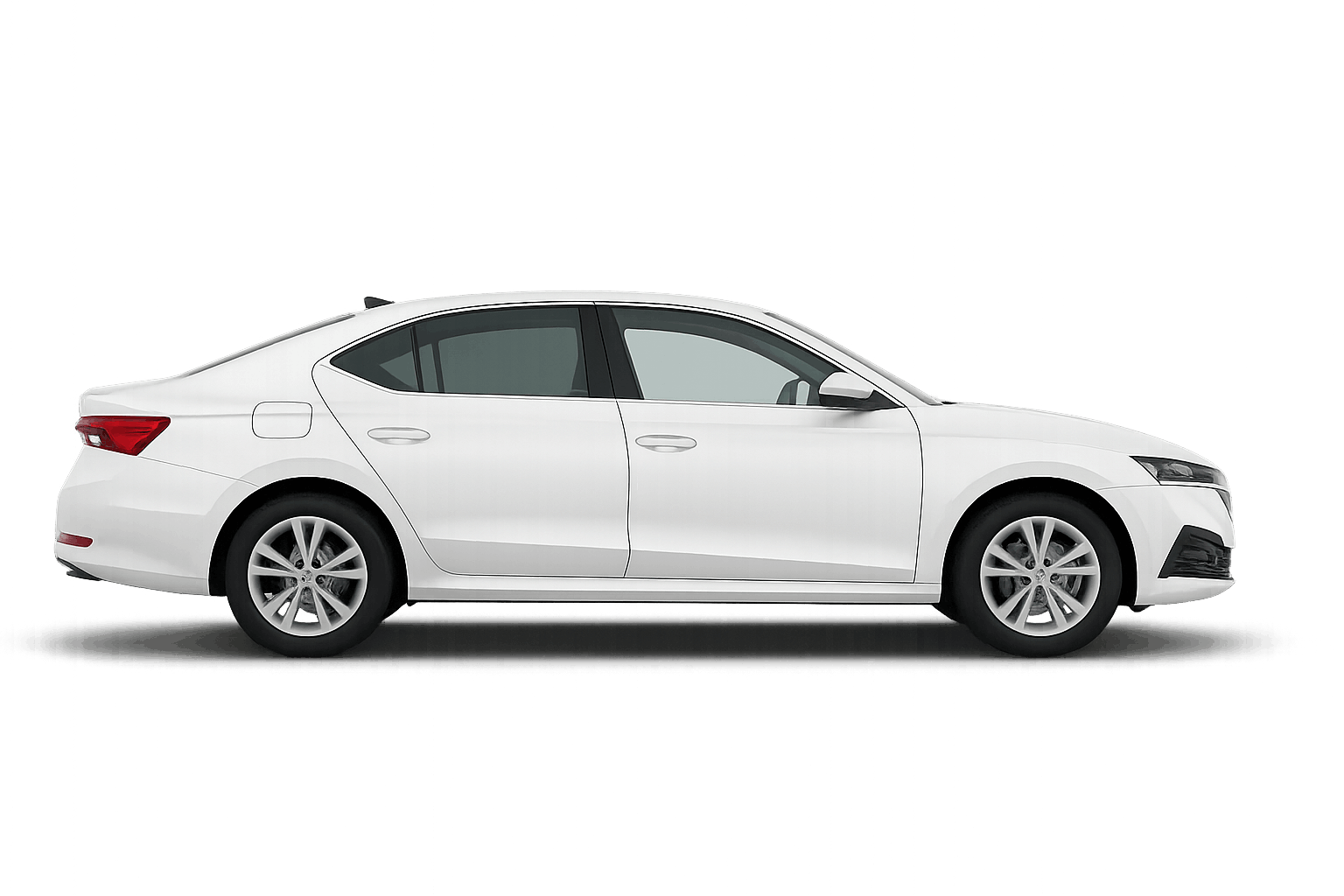
Skoda Superb
5 passengers
4 suitcases
5 bags
Volkswagen Golf
5 passengers
3 suitcases
2 bags
Skoda Superb
5 passengers
4 suitcases
5 bags
Volkswagen Golf
5 passengers
3 suitcases
2 bags
Compact cars are the perfect balance between size, comfort, and fuel efficiency. Ideal for couples or small families, they offer enough space for luggage while remaining easy to park in busy cities and narrow European streets. Compact vehicles perform well both in urban environments and on longer trips, making them one of the most popular categories for international travelers.
Best for:
City trips, small families, coastal driving, budget-conscious travelers.
Typical models:
Volkswagen Golf, Ford Focus, Toyota Corolla, Kia Ceed.
Best for:
City trips, small families, coastal driving, budget-conscious travelers.
Typical models:
Volkswagen Golf, Ford Focus, Toyota Corolla, Kia Ceed.
Skoda Scala
5 passengers
2 suitcases
4 bags
Skoda Scala
5 passengers
2 suitcases
4 bags
Compact cars are the perfect balance between size, comfort, and fuel efficiency. Ideal for couples or small families, they offer enough space for luggage while remaining easy to park in busy cities and narrow European streets. Compact vehicles perform well both in urban environments and on longer trips, making them one of the most popular categories for international travelers.
Best for:
City trips, small families, coastal driving, budget-conscious travelers.
Typical models:
Volkswagen Golf, Ford Focus, Toyota Corolla, Kia Ceed.
Best for:
City trips, small families, coastal driving, budget-conscious travelers.
Typical models:
Volkswagen Golf, Ford Focus, Toyota Corolla, Kia Ceed.
Skoda Fabia
5 passengers
2 suitcases
3 bags
Toyota Yaris
4 passengers
1 suitcases
2 bags
Skoda Fabia
5 passengers
2 suitcases
3 bags
Toyota Yaris
4 passengers
1 suitcases
2 bags
Premium cars are designed for travelers who value luxury, refinement, and exceptional comfort. This category offers high–quality interiors, advanced technology, smooth performance, and powerful engines — ideal for business trips, long-distance journeys, or travelers seeking an elevated driving experience abroad. Premium vehicles deliver superior ride quality, enhanced safety features, and a stylish presence on the road.
Best for:
Business travelers, couples seeking comfort, long-distance driving, special trips, premium-level vacations.
Typical models:
BMW 3 Series, Mercedes-Benz C-Class, Audi A5, Volvo S60.
Best for:
Business travelers, couples seeking comfort, long-distance driving, special trips, premium-level vacations.
Typical models:
BMW 3 Series, Mercedes-Benz C-Class, Audi A5, Volvo S60.
Toyota Camry
5 passengers
3 suitcases
4 bags
Audi A5
5 passengers
3 suitcases
5 bags
Toyota Camry
5 passengers
3 suitcases
4 bags
Audi A5
5 passengers
3 suitcases
5 bags
SUVs are the ideal choice for travelers who need extra space, comfort, and performance on various types of terrain. With higher ground clearance, stronger engines, and spacious interiors, SUVs provide confidence on mountain roads, rural areas, gravel surfaces, or long-distance highway trips. This category is perfect for families, adventurers, and anyone who wants a stable, secure, and comfortable driving experience abroad.
Best for:
Families, active travelers, island or mountain destinations, long-distance routes, trips requiring more luggage space.
Typical models:
Toyota RAV4, Volkswagen Tiguan, Nissan Qashqai, Hyundai Tucson.
Best for:
Families, active travelers, island or mountain destinations, long-distance routes, trips requiring more luggage space.
Typical models:
Toyota RAV4, Volkswagen Tiguan, Nissan Qashqai, Hyundai Tucson.
Volkswagen Tiguan
5 passengers
3 suitcases
4 bags
Nissan Qashqai
5 passengers
3 suitcases
4 bags
Skoda Kamiq
SUV or Similar
5 passengers
3 suitcases
4 bags
Volkswagen Tiguan
5 passengers
3 suitcases
4 bags
Nissan Qashqai
5 passengers
3 suitcases
4 bags
Skoda Kamiq
SUV or Similar
5 passengers
3 suitcases
4 bags
Top Cities and Towns:


Top Airports:


The Faro Car Rental FAQ (The Stuff You Actually Want to Know)
Can I just pay cash for the A22 highway tolls?
No. The A22 is fully electronic. There are zero booths where you can hand a human a five-euro note. If you decline the Via Verde transponder at the rental desk, you legally have to go to a Portuguese Post Office (CTT) two days later to pay the tolls manually. It’s a massive waste of your vacation time. Get the transponder.
Do I need to rent an SUV to handle the local roads?
Absolutely not. Unless you plan on going off-roading (which violates almost every rental contract anyway), a compact car is vastly superior. The streets in towns like Lagos, Albufeira, and Carvoeiro were built for donkeys, not SUVs. A smaller car means far less stress when trying to parallel park on a steep, narrow hill.
Can I drive my Faro rental into Spain for the day?
Usually, yes. Seville is only a two-hour drive away, making it a very popular day trip. However, you must inform the rental desk. Most companies charge a “Cross-Border Fee” (usually €30-€50 for the rental duration) to ensure their insurance covers you in another country. If you skip this and break down in Spain, you are financially on the hook for the entire recovery.
Where exactly do I drop the car off before my flight?
If you rented from an in-terminal provider, follow the signs for “Rent-a-Car Return” as you approach the airport. It leads you right into the designated parking lot opposite the terminal. If you rented from a P4 or off-site provider, do not follow the main airport return signs. You must drive directly to their specific off-site depot, hand over the keys, and wait for their shuttle to take you back to departures. Budget an extra 45 minutes for this on your way home.
Your journey starts here.
Find the perfect rental car for your destination and enjoy flexible, affordable car hire wherever you go.


