
Wide selection & availability

Flexible, easy and fast

Transparent pricing
Trusted by travelers
Working With Leading Car Rental Partners










Kaunas Airport Car Rental: How to Get the Car, Dodge the Nonsense, and Start the Trip Properly
You know that feeling when the plane door opens, everyone stands up too early, and suddenly we’re all pretending our backpack retrieval is a Formula 1 pit stop?
That’s Kaunas Airport too. Small airport. Quick-ish baggage claim. Less chaos than the giant European monsters. But still: you land tired, slightly dehydrated, mildly suspicious of everyone, and all you want is one thing – keys in hand, luggage in the boot, and the road ahead. Not a rental counter argument. Not a mystery shuttle. Not a sales pitch about “premium protection” delivered like you’re being drafted into a war zone.
The good news is that car rental Kaunas Airport is actually one of the easier airport pickups in the region. The desks are in the terminal, the cars are in P1, and the whole thing is much less theatrical than at bigger airports. The less good news? You can still overpay, get tripped up by deposits, or book a car too small for your luggage and your ego. The usual stuff.
You know that feeling when the plane door opens, everyone stands up too early, and suddenly we’re all pretending our backpack retrieval is a Formula 1 pit stop?
That’s Kaunas Airport too. Small airport. Quick-ish baggage claim. Less chaos than the giant European monsters. But still: you land tired, slightly dehydrated, mildly suspicious of everyone, and all you want is one thing – keys in hand, luggage in the boot, and the road ahead. Not a rental counter argument. Not a mystery shuttle. Not a sales pitch about “premium protection” delivered like you’re being drafted into a war zone.
The good news is that car rental Kaunas Airport is actually one of the easier airport pickups in the region. The desks are in the terminal, the cars are in P1, and the whole thing is much less theatrical than at bigger airports. The less good news? You can still overpay, get tripped up by deposits, or book a car too small for your luggage and your ego. The usual stuff.
TL;DR — The Short Version: Everything You Need to Know in 30 Seconds
Where are the desks?
On the first floor of the passenger terminal, near the main entrance. Your car is then usually in parking lot P1.
How’s the shuttle situation?
Blessedly boring. For the official airport setup, there’s no separate shuttle circus. Terminal desk, short walk, car in P1.
Paperwork you’ll actually need:
Valid driver’s licence, passport or ID, and a payment card for the rental and usually the deposit. Deposit rules vary a lot by supplier.
A realistic price expectation:
Cheap listings do exist, and Admita car rental currently advertises rates from €10/day, but realistic pricing depends heavily on season, car class, insurance, and age of driver. Think “possible to be cheap,” not “guaranteed bargain every day forever.”
Where do you actually pick up the car at Kaunas Airport?
This is the first nice surprise.
Kaunas Airport says the rental desk is on the first floor of the passenger terminal near the main entrance, and the car is in P1. Return it to the same lot you picked it up from. That’s it. No bus transfer. No secret annex. No “please wait by the smoking area next to pillar 7 and someone in a windbreaker may appear.”
I like this setup. A lot. Especially after late arrivals, when my travel personality shifts from “curious explorer” to “please nobody talk to me unless you have my keys.”
Kaunas Airport car rental pickup basics
| What matters | What to expect |
| Rental desks | First floor of the passenger terminal |
| Landmark | Near the main entrance |
| Car location | P1 parking lot |
| Shuttle needed? | Usually no |
| Return | Normally to the same lot |
Between us: small airports win here. Best car hire Kaunas Airport is often less about glamour and more about the fact that you can be on the road fast without losing the will to live.
Is renting at Kaunas Airport actually worth it?
Usually, yes.
Kaunas Airport is in Karmėlava, outside the city. If you’re heading into Kaunas center, or farther – Vilnius, Trakai, the coast later, random regional detours because you saw a brown road sign and got curious – having a car makes life much easier. Admita’s own location page bluntly says taxis and ride-hailing to the far side of Kaunas may not be the cheapest option, and public transport means working around schedules instead of your own plans. Fair point.
If you’re only staying in central Kaunas and barely moving, then maybe not. But for almost any wider Lithuania trip, car rental Kaunas Airport makes sense. Lithuania is a very manageable country to drive in. The road rules are clear, the roads are generally decent, and passenger cars do not need an e-vignette on Lithuanian toll roads – those charges apply to buses and goods vehicles, not ordinary tourist cars. That’s one annoying admin task removed from your life right there.
How much should you realistically expect to pay?
This is where travelers get a little too optimistic.
You’ll see cheap numbers. Tempting little numbers. The kind of numbers that make you think, “Wait, am I renting a car or a sandwich?” But the final price depends on the car class, transmission, rental dates, insurance, young-driver fees, and deposit conditions. So yes, you may absolutely find a deal. No, you should not build your whole emotional state around the cheapest teaser rate.
Admita currently advertises from €10/day at Kaunas Airport, which is useful as a floor, not a promise that every date will look like that. In real life, automatics, larger cars, summer weekends, and last-minute bookings all push the total up.
What pricing usually feels “normal”
| Car type | What it may feel like in practice |
| Small manual | Cheapest category, best chance of a genuinely low rate |
| Compact / family hatch | Often the sweet spot for comfort vs budget |
| Automatic | Usually noticeably pricier |
| SUV / estate | Better for luggage, worse for optimism at checkout |
That’s not me being vague. That’s me being honest. The exact rate moves. The pattern does not.
What paperwork do they actually care about?
The basics are predictable: driver’s licence, ID or passport, and payment method. But the sneaky bit is the deposit and the exact rules around it.
Different Lithuanian rental suppliers publish very different conditions. AutoRentalis notes that age, licence type, deposit size, accepted cards, and even after-hours pickup fees can vary by supplier, and says standard driver age is often 20+ with 2 years of driving experience. Autobanga says deposits can range from €450 to €1500 if you don’t choose additional insurance. Admita says a deposit is required, but choosing Super KASKO can significantly reduce it.
So the real answer is not “bring a card.” The real answer is: bring the right card, check the deposit policy before landing, and do not assume every supplier treats debit cards, prepaid cards, or app-banks the same way.
What to have ready before you walk to the desk
| Item | Do you need it? | Notes |
| Driver’s licence | Yes | Check minimum years held |
| Passport / ID | Yes | Standard identity check |
| Payment card | Usually yes | Often needed for deposit hold |
| Booking confirmation | Smart to have | Saves time if the system gets moody |
Is the extra insurance a scam?
Sometimes it’s sensible. Sometimes it’s a beautifully rehearsed upsell with the emotional tone of a hostage negotiation.
I’m not anti-insurance. I’m anti-deciding under fluorescent lighting after a delayed flight.
If the extra cover reduces your excess and shrinks the deposit to something less offensive, it can be worth it. Admita explicitly says Super KASKO significantly reduces the deposit. Autobanga also ties the deposit directly to your liability if you skip extra insurance. So yes, in some cases, paying more upfront really does buy peace of mind.
But here’s the trap: at the counter, everything suddenly sounds urgent. Necessary. Catastrophic if ignored.
Between us: decide before you fly. Know your risk tolerance. Know whether your card or travel insurance helps. Counter desks are not places of calm, balanced financial decision-making.
How’s driving around Kaunas and the region?
Honestly? Pretty easy.
Lithuania drives on the right. In built-up areas, the standard speed limit is 50 km/h. In parking lots, it’s 20 km/h. Outside built-up areas, passenger cars can do 130 km/h on motorways from April 1 to October 31, 110 km/h in winter, 120 km/h on highways in summer, and 90 km/h on paved roads.
That sounds like a lot of numbers because it is a lot of numbers. But on the road, it’s simpler than it looks. The signage is decent, and driving in Lithuania is much calmer than in countries where every roundabout feels like an audition for a stunt team.
The only place where the mood sours a bit? Parking.
The Reality Check
Let’s do the brutally honest section properly.
-
Parking in central Kaunas can get annoying fast.
Kaunas has multiple paid parking zones, and the charging times vary by zone. The Old Town zone is paid 24/7, which is exactly the sort of detail people learn five minutes too late. There’s also a low-emission zone in the Old Town with a €2 entry fee, and that fee includes the first hour of parking. Cute city. Slightly sneaky center.
2. Don’t assume the airport lot is right by the terminal door.
P1 is still convenient, but if you’re dragging two suitcases, a child, and your own bad packing choices, it will feel longer than it is. Also, Kaunas Airport has several parking lots; P1, P3 and P4 are long-term, while P2 is closest for quick drop-off/pickup. Good to know when returning someone else’s car or being collected.
3. Deposits are where “cheap rental” becomes “hmm.”
A low daily rate can still come with a chunky blocked deposit. That’s not a scam exactly. It’s just the part nobody puts in the banner headline.
4. Cross-border trips are not casual.
If you want to drive into Latvia or Poland, tell the rental company before booking. EU guidance is clear: if you plan to drive the rental car into another country, the company needs to know so it can confirm documents, insurance, and breakdown cover.
5. Don’t get cocky because the roads feel easy.
Lithuania’s rules are straightforward, but speed limits are enforced, and the seasonal motorway limits matter. Easy roads can make people lazy. Don’t be that person.
What about the shuttle situation?
This deserves its own answer because people always worry about it.
For the airport’s official rental setup, the desk is in the terminal and the car is in P1. So no, this is not one of those airports where “airport rental” secretly means “industrial estate with a van transfer and a motivational speech.” Kaunas keeps it simple.
That simplicity is a bigger advantage than it sounds. After landing, the best luxury is not leather seats. It’s not having to figure out where the hell you’re supposed to go.
Should you book immediately or compare first?
Compare first. Obviously.
Not because every company is bad. Because rental terms are sneaky little things. The daily price matters, yes, but so do the deposit, mileage, insurance, after-hours rules, fuel policy, and card acceptance. That’s where the real cost lives.
And that’s why comparing prices with our tool is the smartest move you’ll make on this trip. Not because it sounds clever in a marketing sentence. Because it actually helps you spot the stuff that bites later: weird deposits, unfriendly terms, and the car that looks cheap until checkout suddenly develops opinions.
So yes – go for it. Best car hire Kaunas Airport is not about finding the flashiest logo. It’s about finding the cleanest deal, the clearest terms, and the car that gets you out of Karmėlava and into the trip without drama.
That’s the win.
Choosing a rental car isn’t just about picking any vehicle — different categories can change your whole travel experience. Each class has its own benefits: some are cheaper to rent and insure, others offer more space, power, or comfort. Whether you’re looking for a budget-friendly city car, a family-size SUV, an electric option, or something a bit more premium, browsing all categories helps you find the best match for your route, luggage, group size, and budget. Take a moment to compare — the right choice can save you money on fuel, insurance, and daily rental costs.
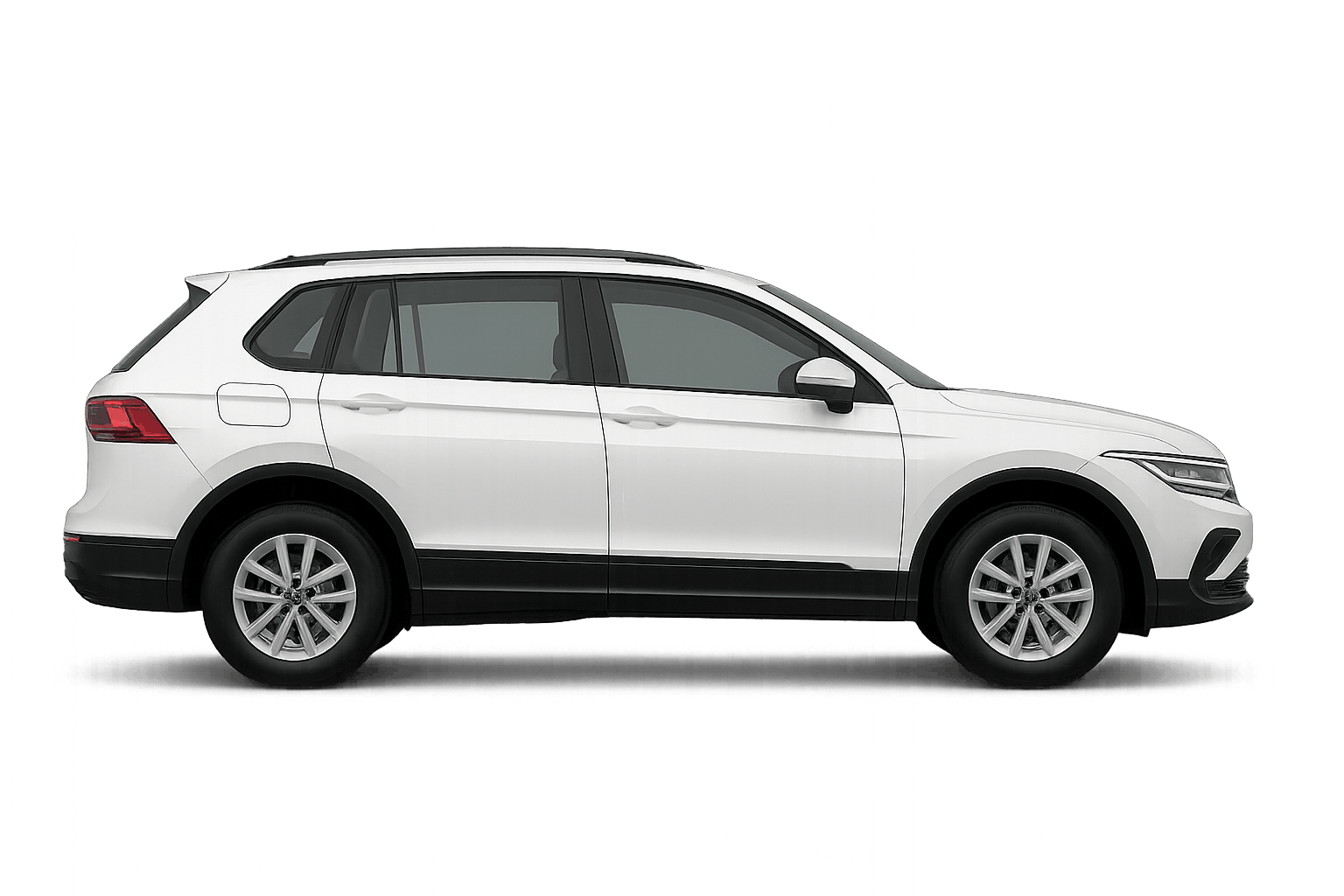
Volkswagen Tiguan
5 passengers
3 suitcases
4 bags
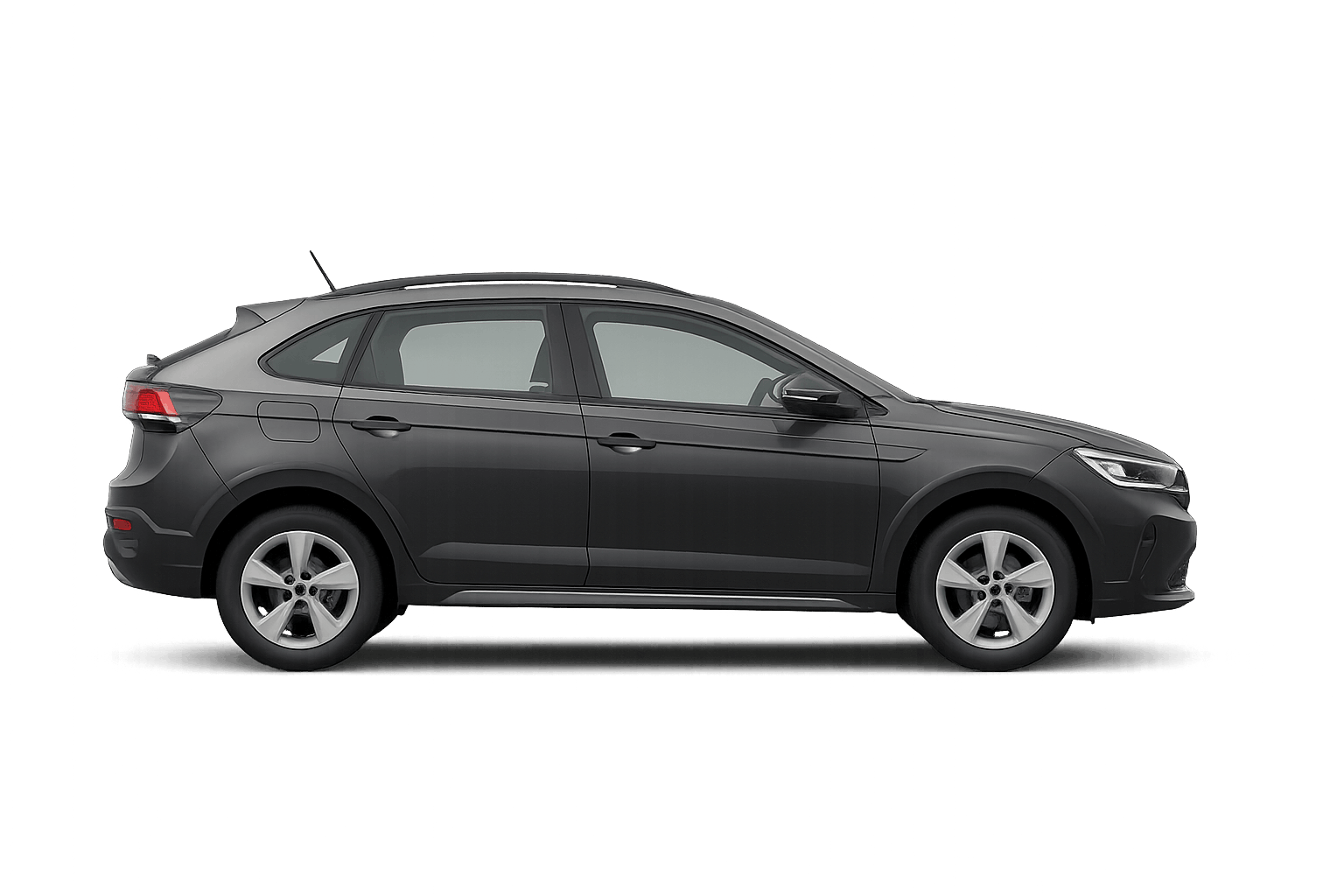
Volkswagen Taigo
5 passengers
2 suitcases
3 bags
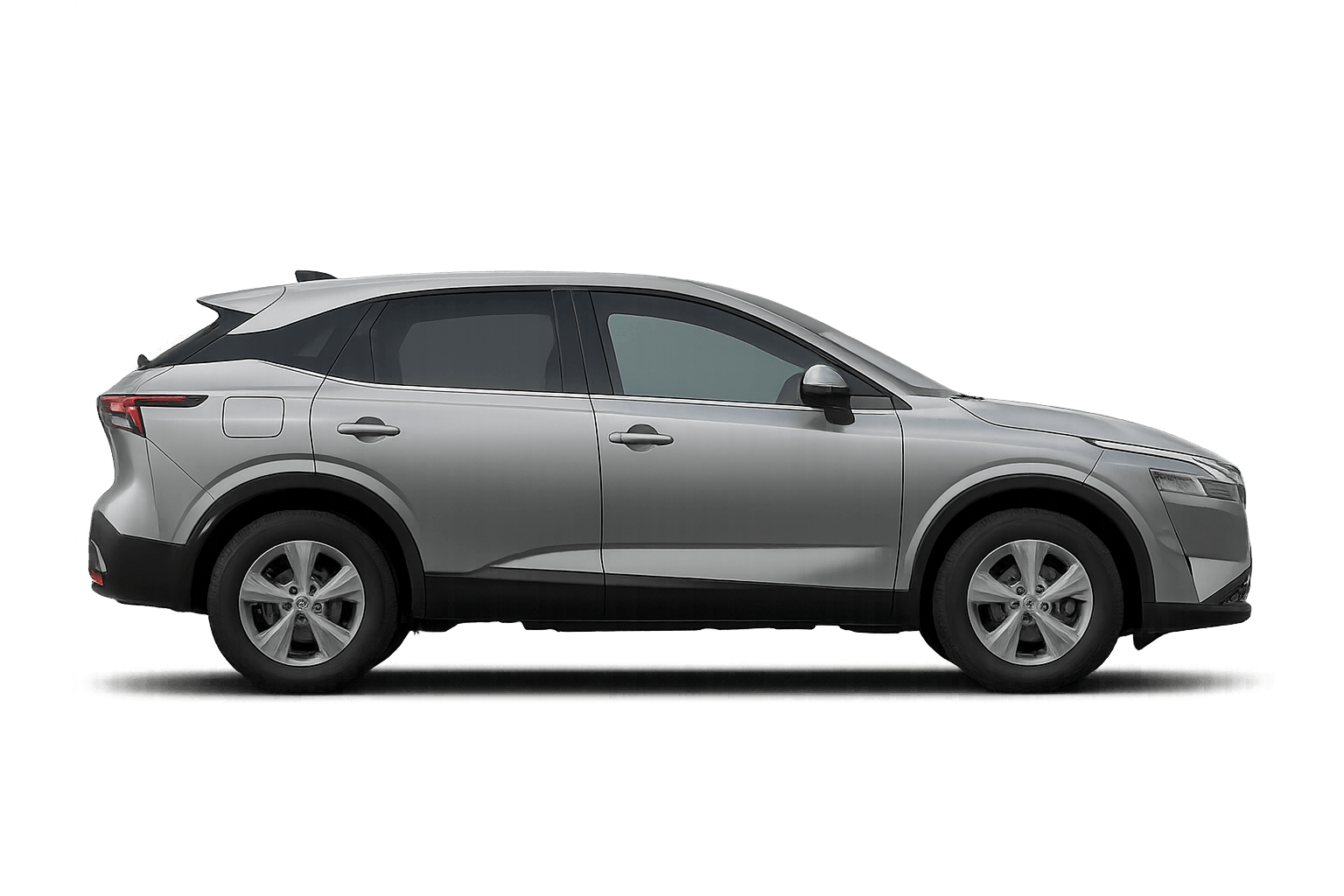
Nissan Qashqai
5 passengers
3 suitcases
4 bags
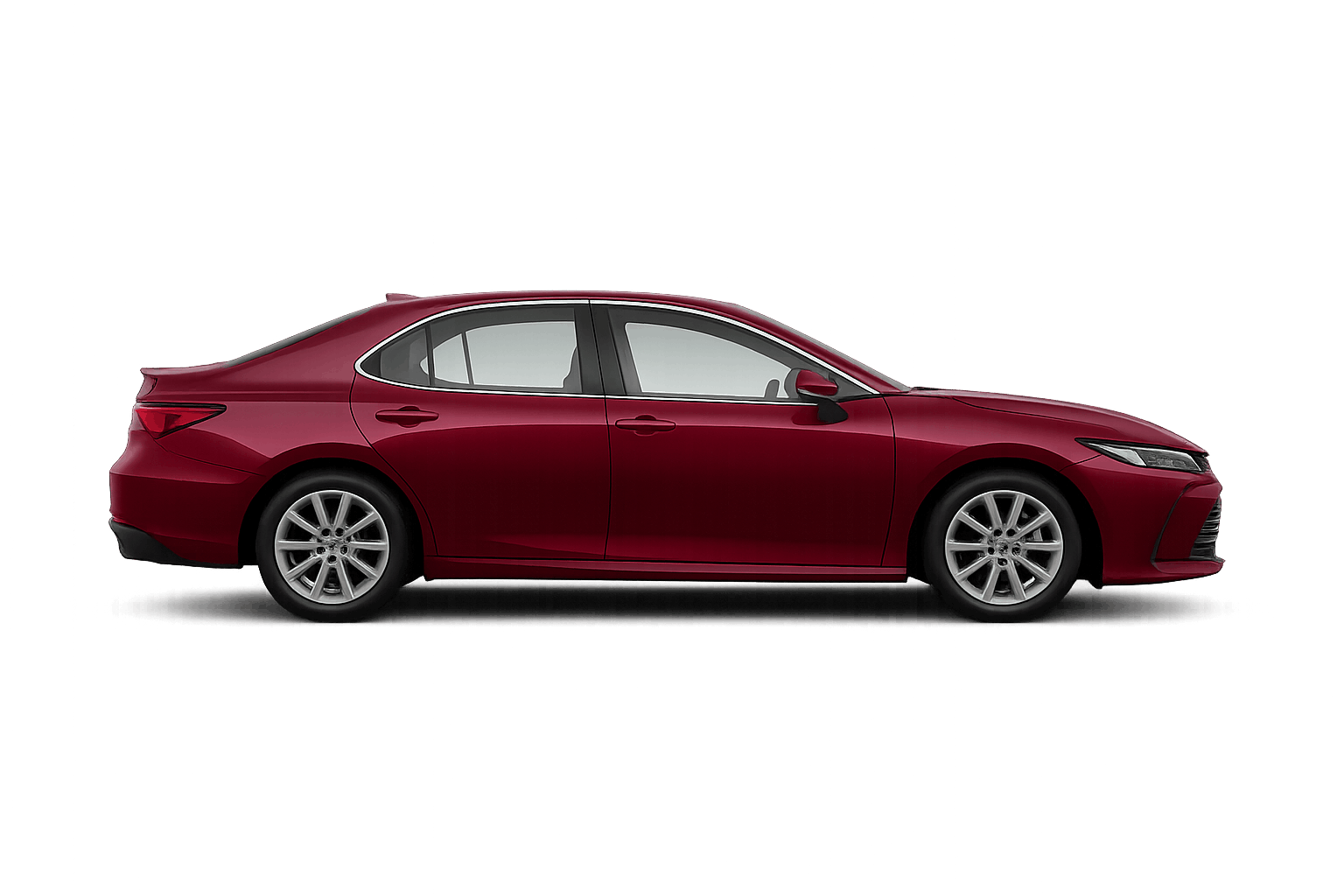
Toyota Camry
5 passengers
3 suitcases
4 bags
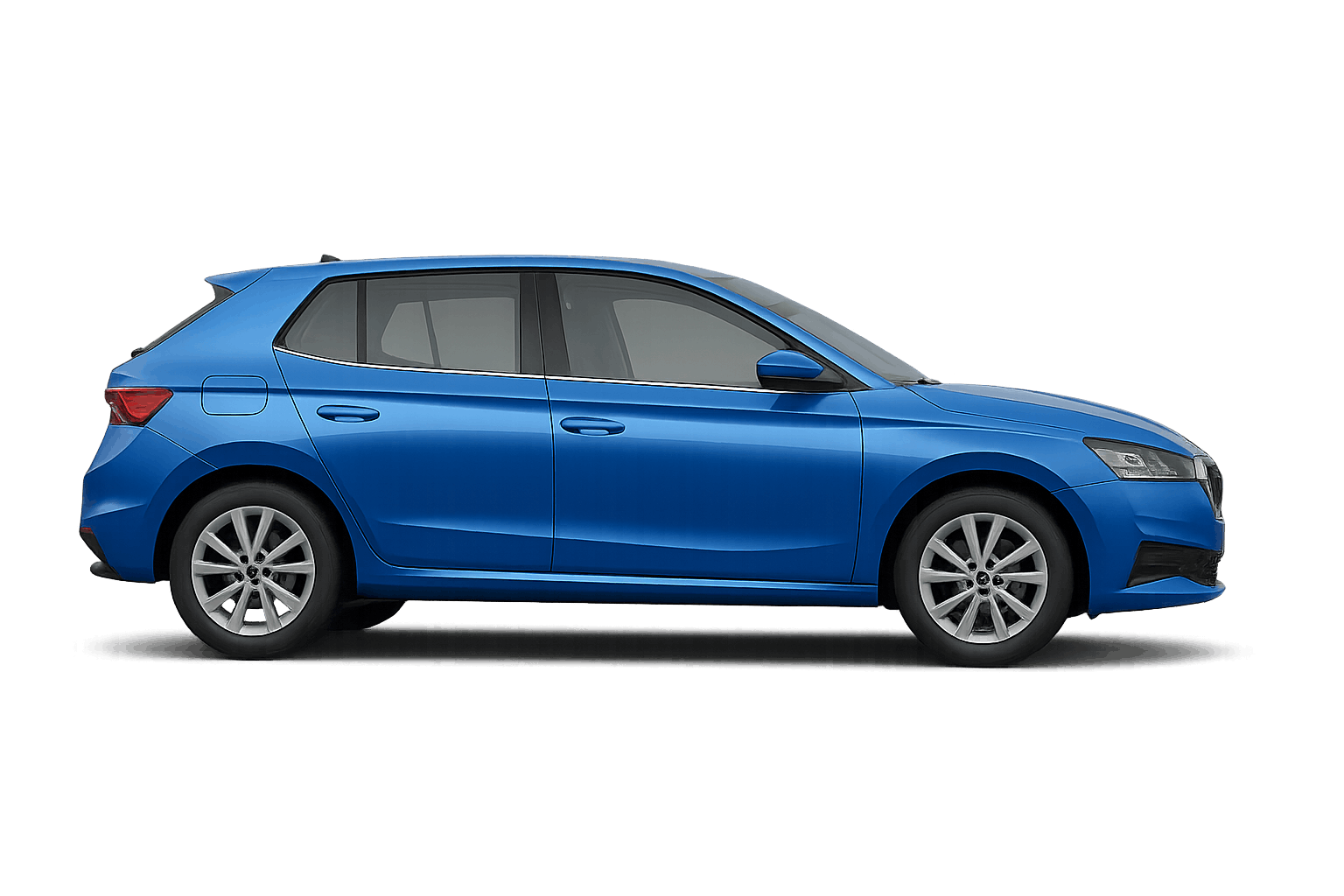
Skoda Fabia
5 passengers
2 suitcases
3 bags
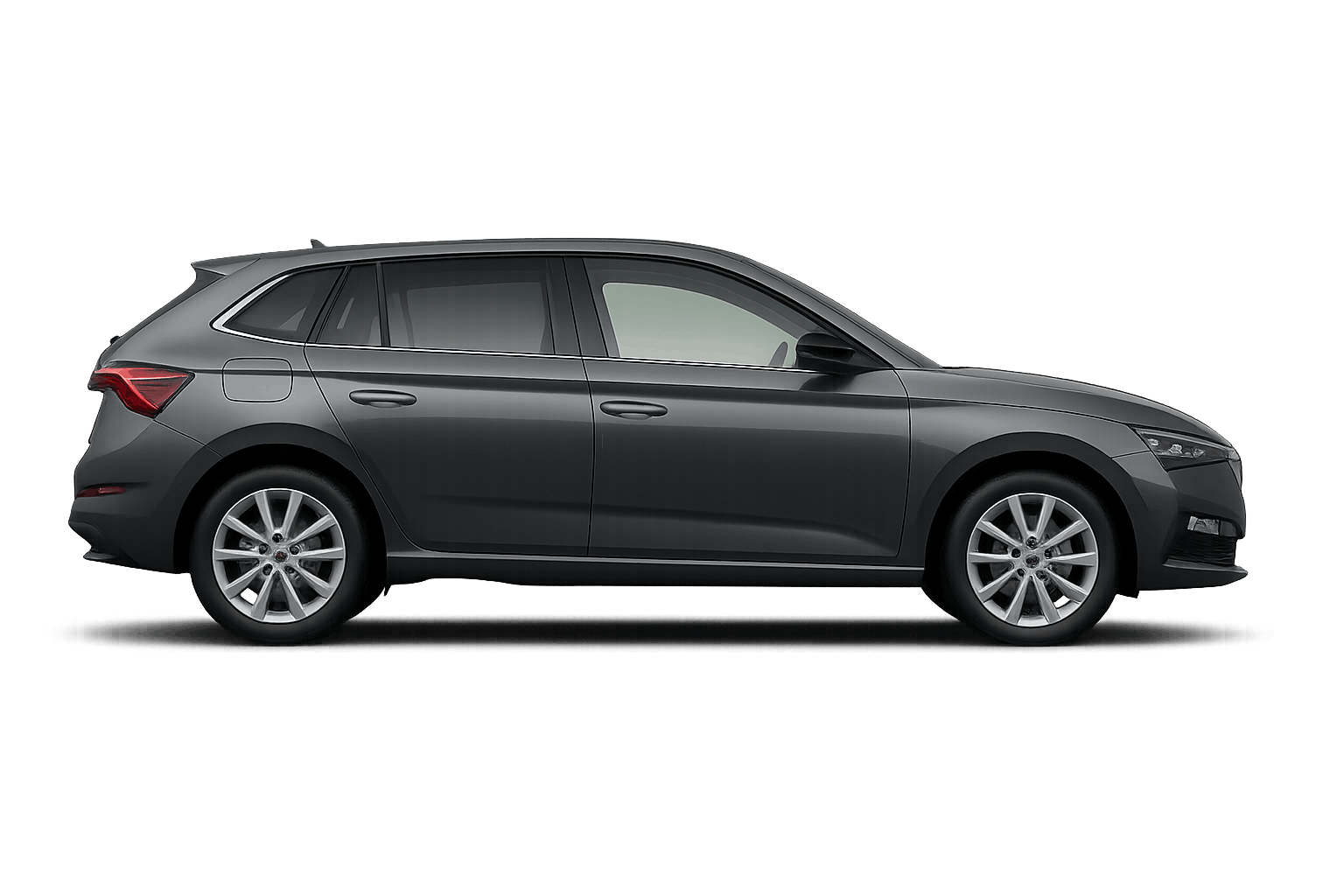
Skoda Scala
5 passengers
2 suitcases
4 bags
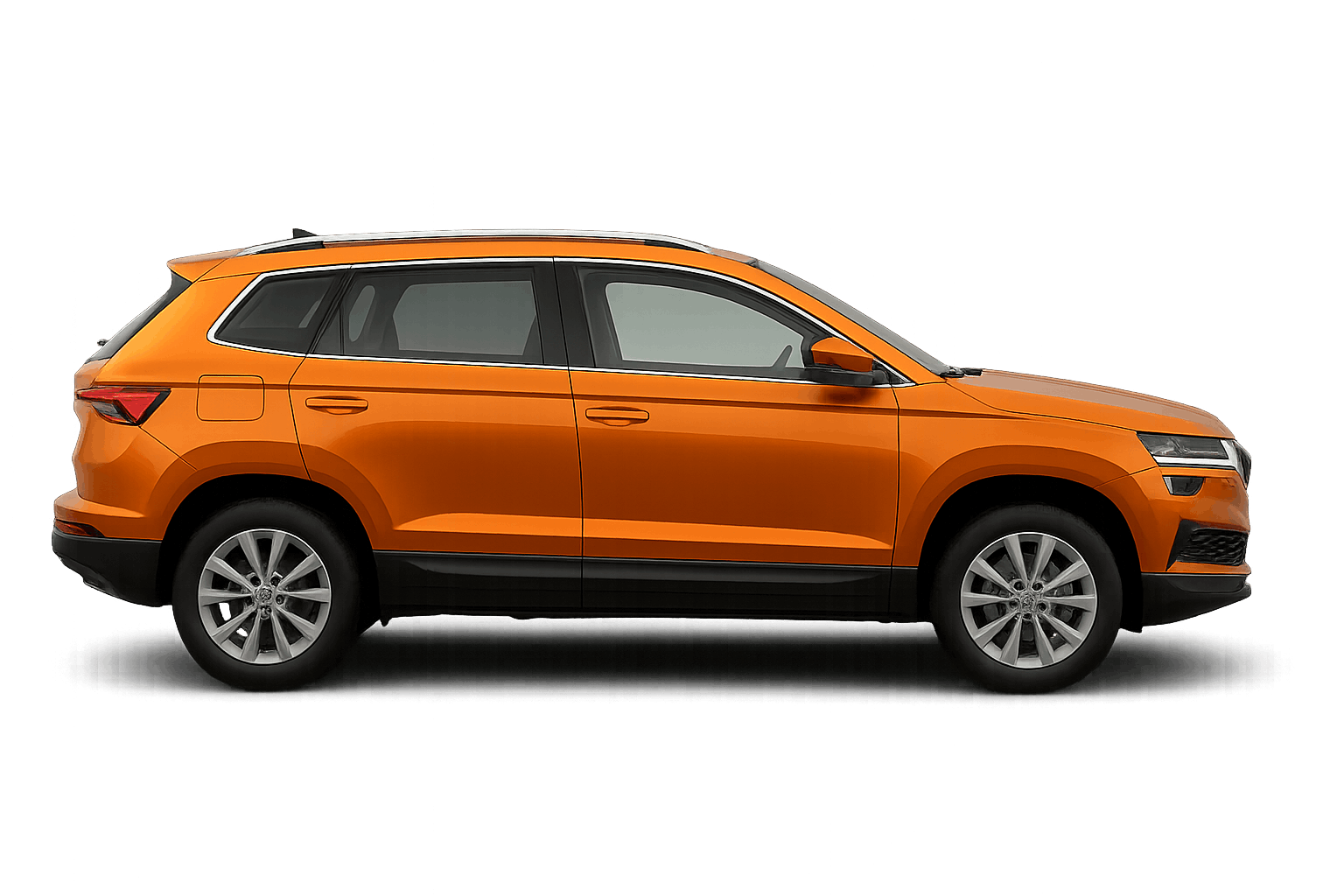
Skoda Karoq
5 passengers
2 suitcases
3 bags
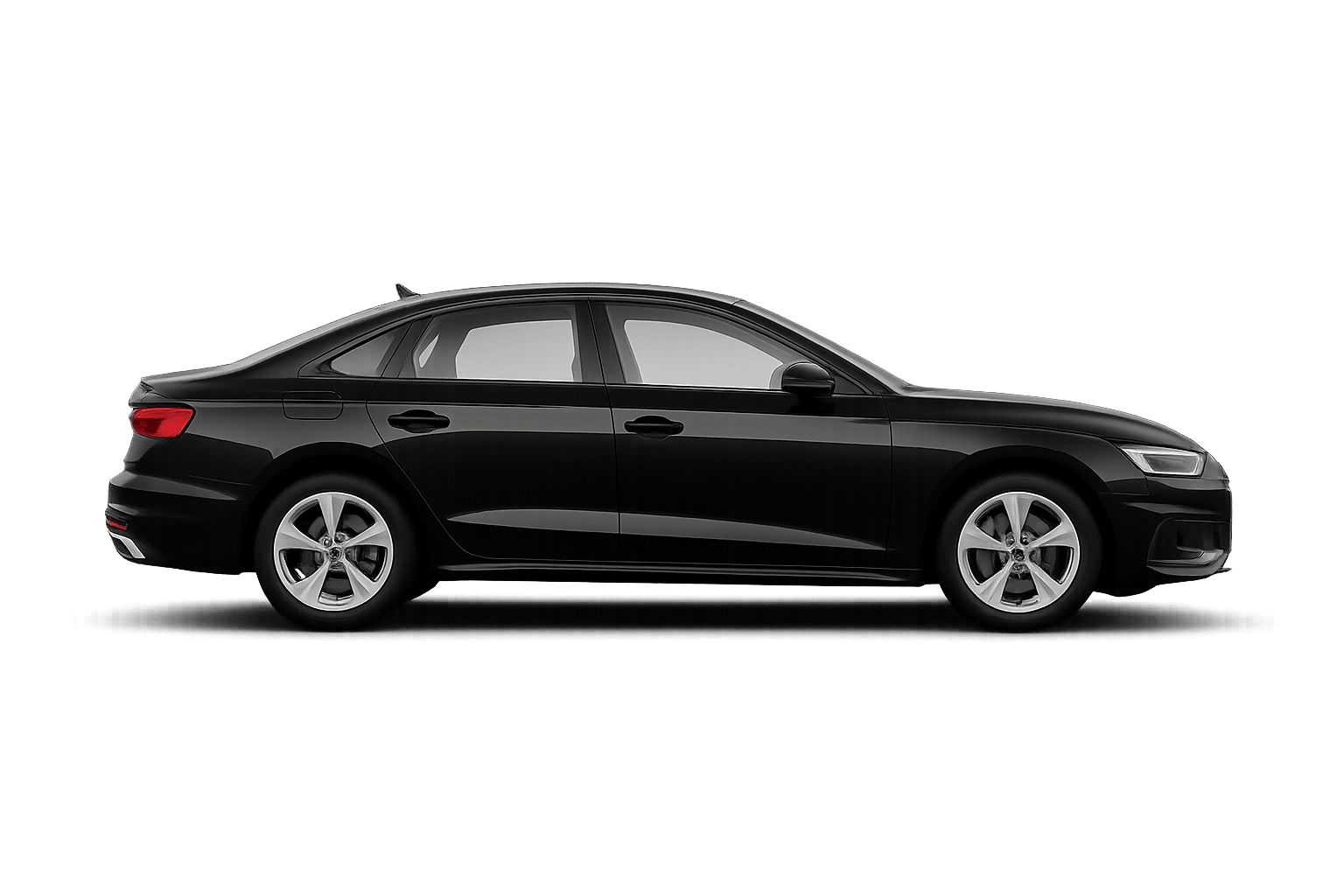
Audi A5
5 passengers
3 suitcases
5 bags
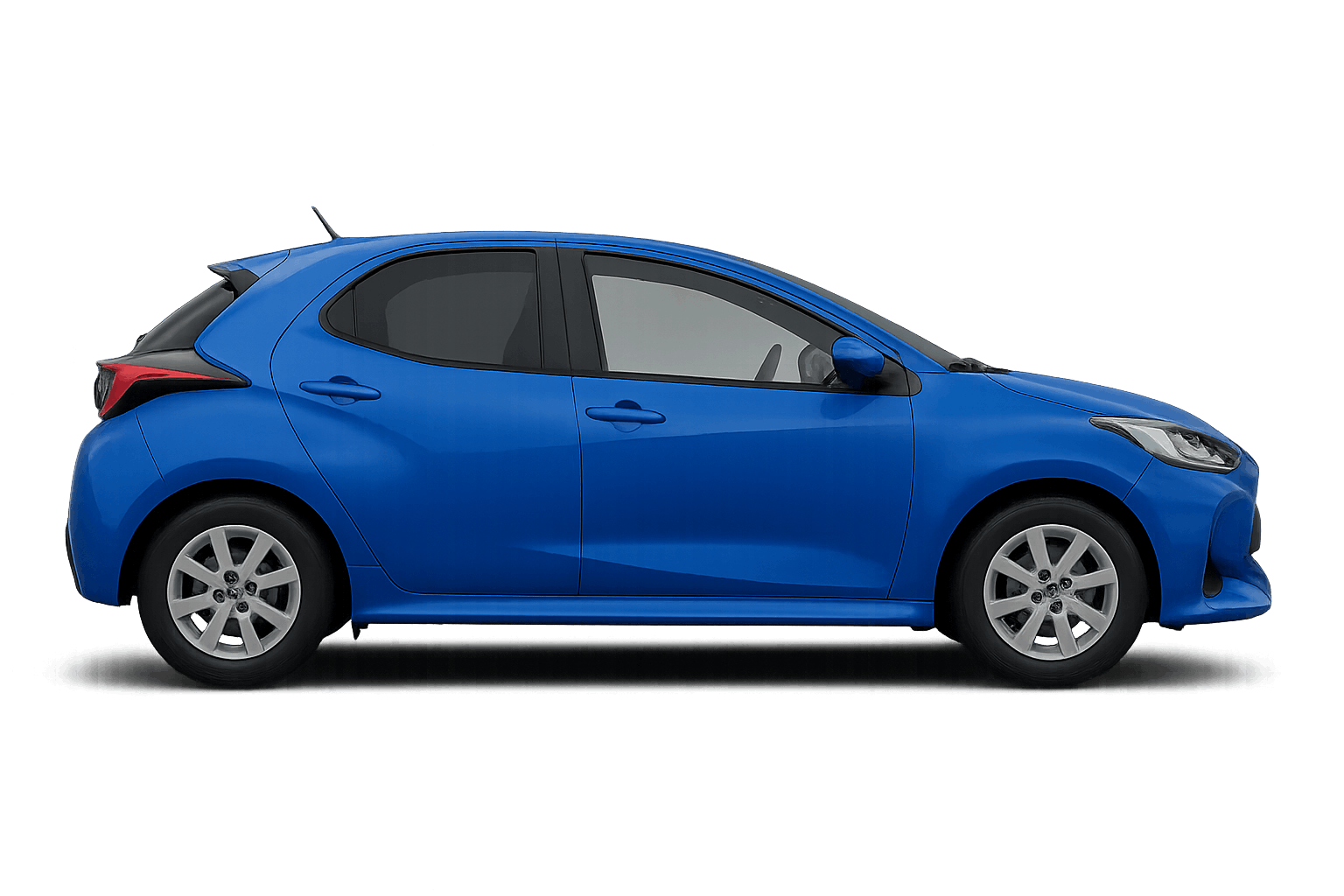
Toyota Yaris
4 passengers
1 suitcases
2 bags
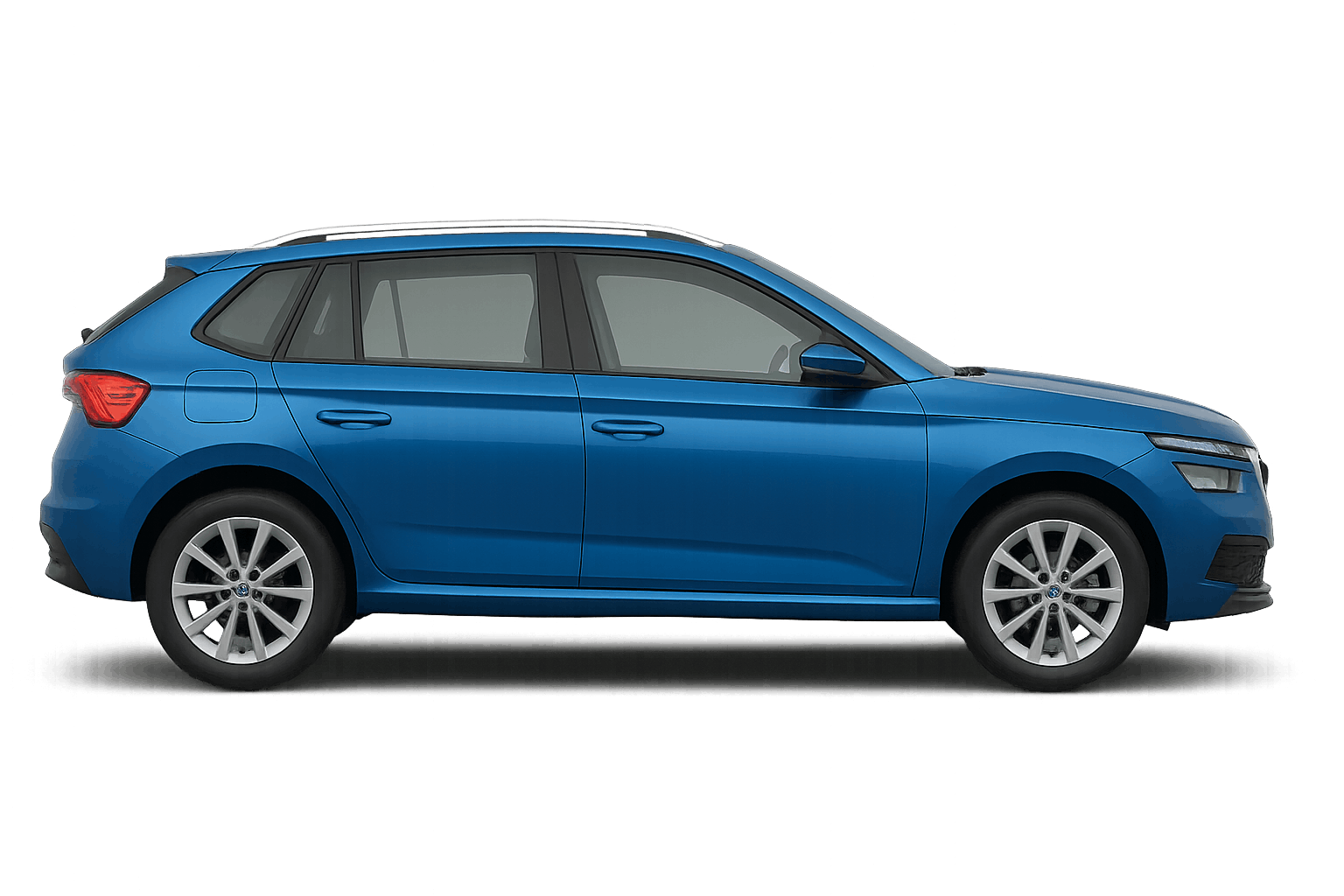
Skoda Kamiq
SUV or Similar
5 passengers
3 suitcases
4 bags
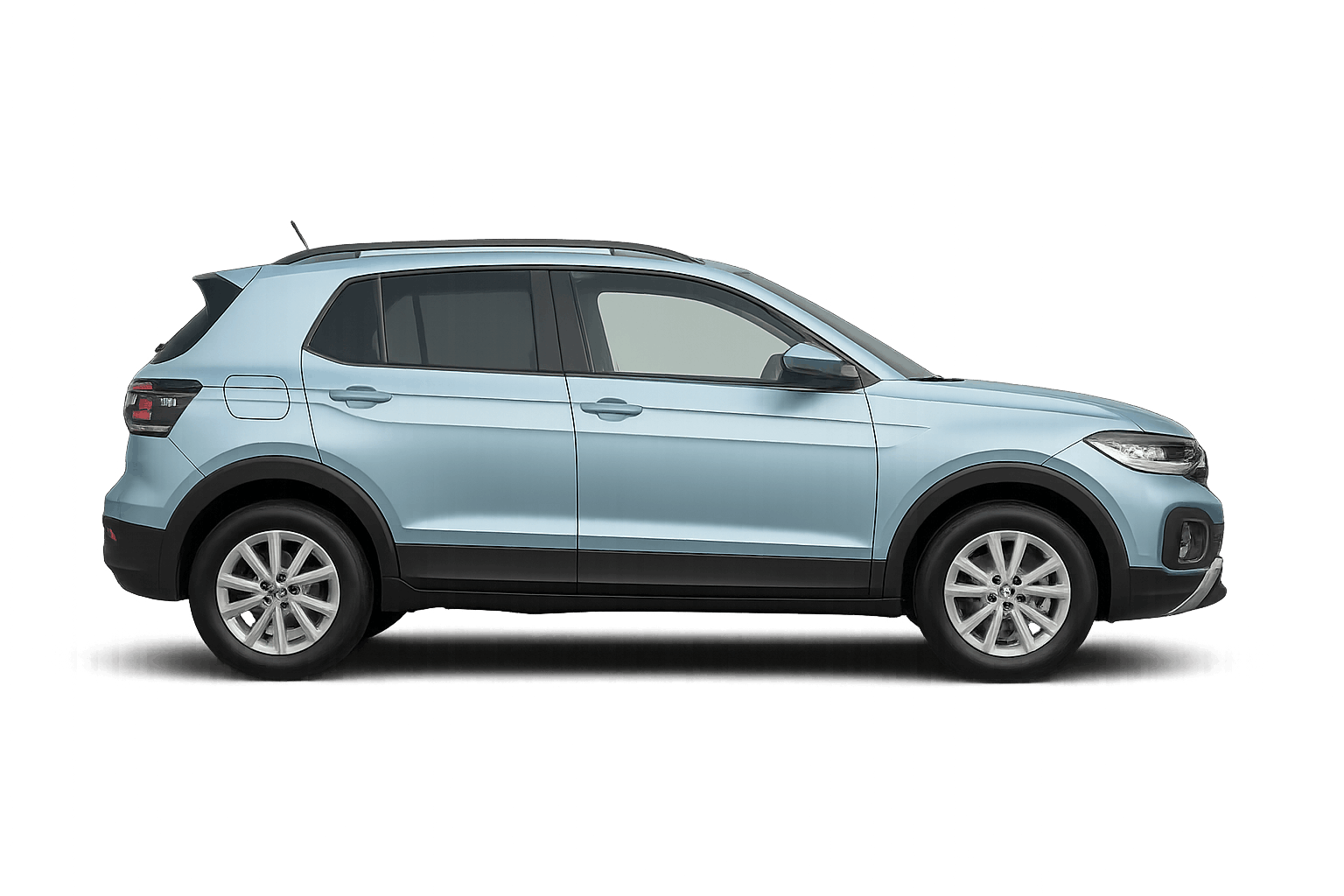
Volkswagen T-Cross
5 passengers
2 suitcases
3 bags
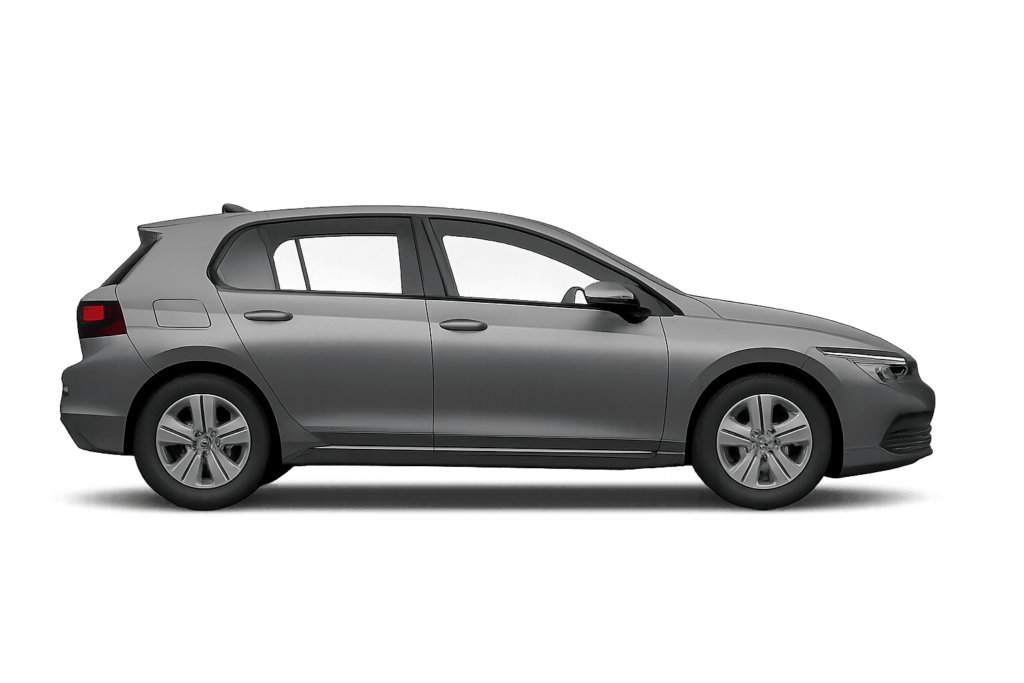
Volkswagen Golf
5 passengers
3 suitcases
2 bags
Volkswagen Tiguan
5 passengers
3 suitcases
4 bags
Volkswagen Taigo
5 passengers
2 suitcases
3 bags
Nissan Qashqai
5 passengers
3 suitcases
4 bags
Toyota Camry
5 passengers
3 suitcases
4 bags
Skoda Fabia
5 passengers
2 suitcases
3 bags
Skoda Scala
5 passengers
2 suitcases
4 bags
Skoda Karoq
5 passengers
2 suitcases
3 bags
Audi A5
5 passengers
3 suitcases
5 bags
Toyota Yaris
4 passengers
1 suitcases
2 bags
Skoda Kamiq
SUV or Similar
5 passengers
3 suitcases
4 bags
Volkswagen T-Cross
5 passengers
2 suitcases
3 bags
Volkswagen Golf
5 passengers
3 suitcases
2 bags
Compact SUVs offer the perfect mix of comfort, efficiency, and versatility. Bigger and more capable than standard compact cars, yet easier to handle than full-size SUVs, they provide elevated seating, improved visibility, and extra space for luggage. Compact SUVs perform well on highways, small mountain roads, and mixed terrain, making them a top choice for travelers who want flexibility without sacrificing fuel efficiency.
Best for:
Small families, couples, mixed-terrain trips, island travel, scenic road trips, travelers who want more space than a compact car.
Typical models:
Kia Sportage, Nissan Juke, Renault Captur, Hyundai Kona, Toyota C-HR.
Best for:
Small families, couples, mixed-terrain trips, island travel, scenic road trips, travelers who want more space than a compact car.
Typical models:
Kia Sportage, Nissan Juke, Renault Captur, Hyundai Kona, Toyota C-HR.
Volkswagen Taigo
5 passengers
2 suitcases
3 bags
Skoda Karoq
5 passengers
2 suitcases
3 bags
Volkswagen T-Cross
5 passengers
2 suitcases
3 bags
Volkswagen Taigo
5 passengers
2 suitcases
3 bags
Skoda Karoq
5 passengers
2 suitcases
3 bags
Volkswagen T-Cross
5 passengers
2 suitcases
3 bags
Standard cars offer the ideal balance of comfort, space, and performance for travelers who need more room than a compact vehicle can provide. With larger interiors, stronger engines, and improved driving stability, this category is perfect for longer road trips, family holidays, or journeys that involve highway driving. Standard cars typically have generous trunk space, making them suitable for multiple suitcases and travel gear.
Best for:
Families, groups of 3–5 travelers, longer trips, highway driving, destinations with varied terrain.
Typical models:
Toyota Corolla Sedan, Volkswagen Passat, Skoda Octavia, Hyundai Elantra.
Best for:
Families, groups of 3–5 travelers, longer trips, highway driving, destinations with varied terrain.
Typical models:
Toyota Corolla Sedan, Volkswagen Passat, Skoda Octavia, Hyundai Elantra.
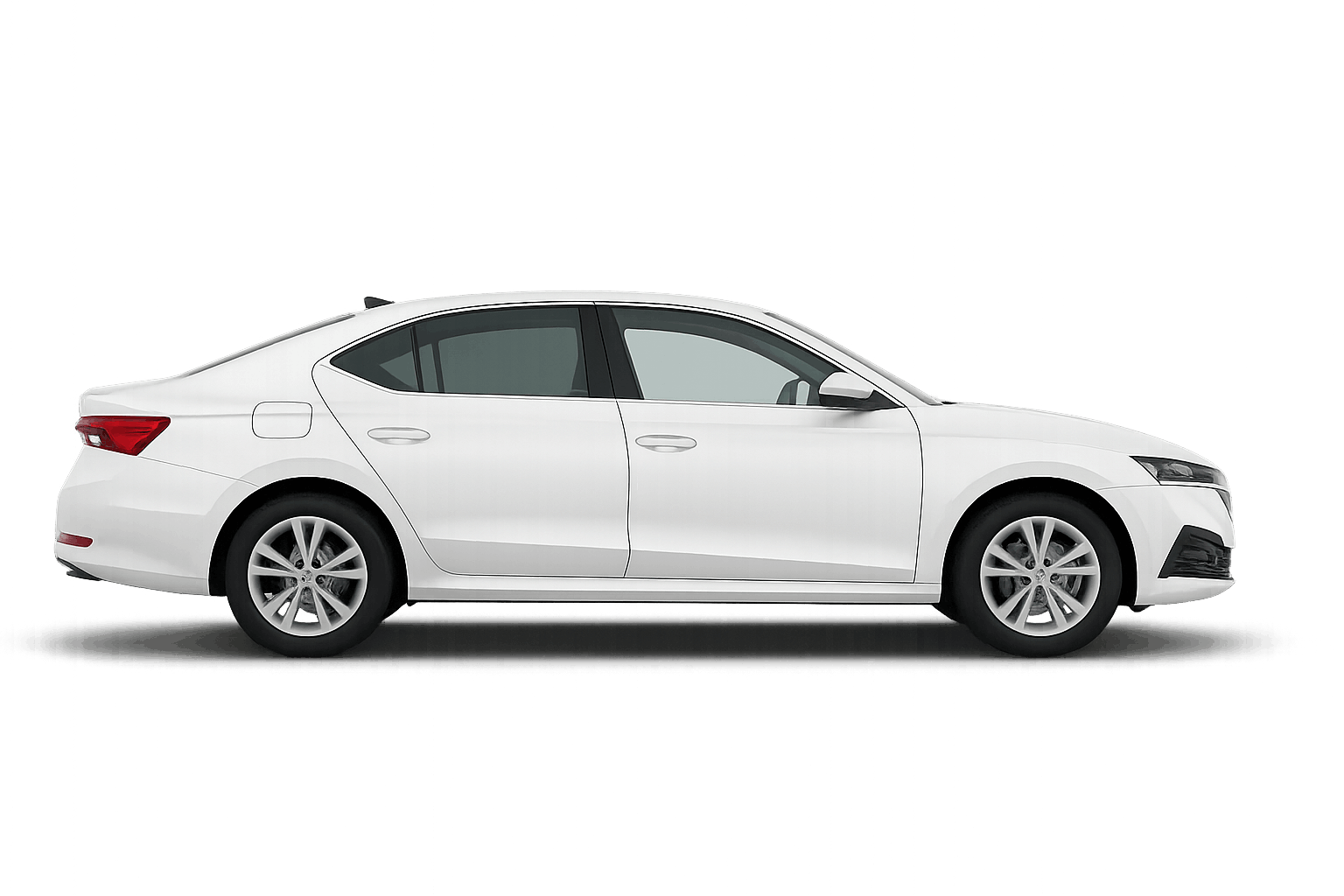
Skoda Superb
5 passengers
4 suitcases
5 bags
Volkswagen Golf
5 passengers
3 suitcases
2 bags
Skoda Superb
5 passengers
4 suitcases
5 bags
Volkswagen Golf
5 passengers
3 suitcases
2 bags
Compact cars are the perfect balance between size, comfort, and fuel efficiency. Ideal for couples or small families, they offer enough space for luggage while remaining easy to park in busy cities and narrow European streets. Compact vehicles perform well both in urban environments and on longer trips, making them one of the most popular categories for international travelers.
Best for:
City trips, small families, coastal driving, budget-conscious travelers.
Typical models:
Volkswagen Golf, Ford Focus, Toyota Corolla, Kia Ceed.
Best for:
City trips, small families, coastal driving, budget-conscious travelers.
Typical models:
Volkswagen Golf, Ford Focus, Toyota Corolla, Kia Ceed.
Skoda Scala
5 passengers
2 suitcases
4 bags
Skoda Scala
5 passengers
2 suitcases
4 bags
Compact cars are the perfect balance between size, comfort, and fuel efficiency. Ideal for couples or small families, they offer enough space for luggage while remaining easy to park in busy cities and narrow European streets. Compact vehicles perform well both in urban environments and on longer trips, making them one of the most popular categories for international travelers.
Best for:
City trips, small families, coastal driving, budget-conscious travelers.
Typical models:
Volkswagen Golf, Ford Focus, Toyota Corolla, Kia Ceed.
Best for:
City trips, small families, coastal driving, budget-conscious travelers.
Typical models:
Volkswagen Golf, Ford Focus, Toyota Corolla, Kia Ceed.
Skoda Fabia
5 passengers
2 suitcases
3 bags
Toyota Yaris
4 passengers
1 suitcases
2 bags
Skoda Fabia
5 passengers
2 suitcases
3 bags
Toyota Yaris
4 passengers
1 suitcases
2 bags
Premium cars are designed for travelers who value luxury, refinement, and exceptional comfort. This category offers high–quality interiors, advanced technology, smooth performance, and powerful engines — ideal for business trips, long-distance journeys, or travelers seeking an elevated driving experience abroad. Premium vehicles deliver superior ride quality, enhanced safety features, and a stylish presence on the road.
Best for:
Business travelers, couples seeking comfort, long-distance driving, special trips, premium-level vacations.
Typical models:
BMW 3 Series, Mercedes-Benz C-Class, Audi A5, Volvo S60.
Best for:
Business travelers, couples seeking comfort, long-distance driving, special trips, premium-level vacations.
Typical models:
BMW 3 Series, Mercedes-Benz C-Class, Audi A5, Volvo S60.
Toyota Camry
5 passengers
3 suitcases
4 bags
Audi A5
5 passengers
3 suitcases
5 bags
Toyota Camry
5 passengers
3 suitcases
4 bags
Audi A5
5 passengers
3 suitcases
5 bags
SUVs are the ideal choice for travelers who need extra space, comfort, and performance on various types of terrain. With higher ground clearance, stronger engines, and spacious interiors, SUVs provide confidence on mountain roads, rural areas, gravel surfaces, or long-distance highway trips. This category is perfect for families, adventurers, and anyone who wants a stable, secure, and comfortable driving experience abroad.
Best for:
Families, active travelers, island or mountain destinations, long-distance routes, trips requiring more luggage space.
Typical models:
Toyota RAV4, Volkswagen Tiguan, Nissan Qashqai, Hyundai Tucson.
Best for:
Families, active travelers, island or mountain destinations, long-distance routes, trips requiring more luggage space.
Typical models:
Toyota RAV4, Volkswagen Tiguan, Nissan Qashqai, Hyundai Tucson.
Volkswagen Tiguan
5 passengers
3 suitcases
4 bags
Nissan Qashqai
5 passengers
3 suitcases
4 bags
Skoda Kamiq
SUV or Similar
5 passengers
3 suitcases
4 bags
Volkswagen Tiguan
5 passengers
3 suitcases
4 bags
Nissan Qashqai
5 passengers
3 suitcases
4 bags
Skoda Kamiq
SUV or Similar
5 passengers
3 suitcases
4 bags
Top Cities and Towns:


Top Airports:


FAQ: Kaunas Airport Car Rental Questions
Where exactly are the rental desks at Kaunas Airport?
On the first floor of the passenger terminal, near the main entrance. The cars are usually in P1.
What’s the minimum age for renting a car in Kaunas?
It varies by supplier, but a common published rule in Lithuania is around 20 years old with 2 years of driving experience. Some companies may differ, so check before booking.
Can I drive from Kaunas Airport to Latvia or Poland in the rental car?
Possibly, yes — but only if the rental company allows it. EU guidance says you must tell the company in advance if you plan to cross borders, so it can confirm documents and insurance.
Do I need to worry about toll roads in Lithuania with a normal rental car?
Not usually. Lithuania’s e-vignette requirement applies to buses and goods vehicles, not ordinary passenger cars.
Your journey starts here.
Find the perfect rental car for your destination and enjoy flexible, affordable car hire wherever you go.


