Key Points:
- Book your car rental early to get lower prices, especially in summer or holidays when demand is high.
- Compare both large car rental sites and direct bookings, and check for extra fees like young driver surcharges, location charges, and insurance costs.
- Bring the right documents: passport, driver’s license (plus International Driving Permit if required), a credit card, and your booking confirmation.
- Choose a car that fits your trip—compact for cities, SUVs for mountains, and remember automatics are rare and pricier.
- Always review your insurance options, take clear photos of the car at pickup and drop-off, and avoid paying for extras like GPS or child seats by bringing your own if possible.
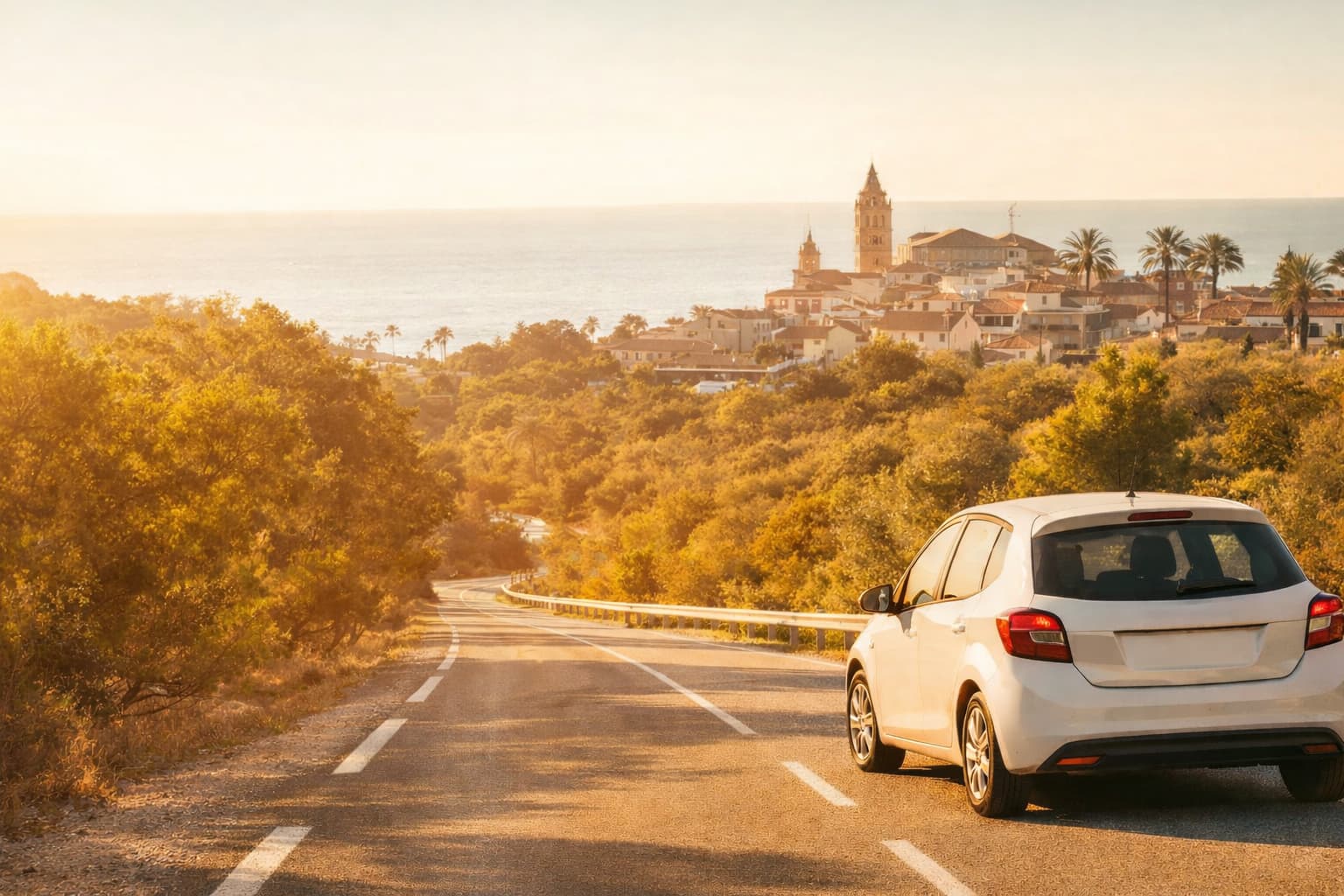
Traveling through Spain by car can turn an average journey into an adventure. Picture winding coastal roads, hillside vineyards, sleepy whitewashed villages, and last-minute diversions to somewhere you spotted on a map. The freedom? Unmatched. If you want to unlock hidden corners and set your own schedule, renting a car in Spain is often the smart choice.
But if you have never rented before, or worry about costs and confusion, this guide will help. We’ll walk you through how to rent a car in Spain wisely, covering the process from picking the best deals to handling local rules. Use these tips to save money and sidestep surprise fees, so you travel with peace of mind.
Why Rent a Car in Spain? Flexibility Unlocks Spain’s Best
Spain’s landscapes are vast and varied. Some places—like the Pueblos Blancos or the Basque villages—are nearly impossible to reach by train or bus. A car opens those doors.
When is a rental car best?
- Exploring rural Spain: If you dream of wandering the wine counties of La Rioja, summiting the Pyrenees, or finding the remote coves of Andalusia, public transport falls short.
- Traveling with friends or family: Four train tickets can cost more than a compact car rental for a day.
- Visiting spread-out cities: Valencia, Granada, and Bilbao all have urban sprawl that’s tricky without a car.
- Chasing flexibility: Want to pull over for a castle, a market, or a photo-op? Only a car puts you in control.
If you are only visiting Madrid or Barcelona, skip the car. Parking is expensive and public transport is smooth. But for road trips crossing multiple cities or towns, driving wins. We often remind travelers that tolls, parking, and fuel raise the real cost. Yet the unique places, missed by trains and buses, are well worth it.
Start Your Search with VerusCars: A Friendly, Transparent Option
When we started VerusCars, our goal was simple: make it easy to rent a car in Spain with honest prices and zero hidden surprises. So what sets us apart?
- Modern, reliable vehicles: From nimble compacts to roomy SUVs, we keep our fleet new and well-serviced.
- Simple online booking: Our platform lets you compare, select, and reserve your car in English or Spanish with just a few clicks.
- English-speaking support: We’ve helped thousands of travelers from the US, UK, and beyond rent with confidence.
- All-in coverage options: You choose the insurance you need, with everything clearly explained.
- Major city and airport locations: Land in Madrid, Barcelona, Seville, or Valencia and pick up your keys with ease.
As a local business, we keep things personal. Example: Last summer, we helped an American family with urgent last-minute changes after their flight delay—they picked up their car stress-free hours later, thanks to our real-time support.
How to Find the Best Rental Deals
Saving money starts with how and when you book. Here’s what the experts recommend:
- Compare rates across trustworthy sites: Major aggregators (like KAYAK or Auto Europe) show up-to-date deals from big rental firms.
- Book early, especially for peak travel: Prices soar during summer and holidays. Early birds can score economy cars for as low as $2–$5 per day (Dream Big Travel Far).
- Book direct for extras: Sometimes, going straight to providers (like VerusCars) gives you first pick of cars or bonuses like free extra drivers.
- Use filters wisely: Choose car size, fuel type, insurance needs, and pickup location. Airport and train station pickups are ultra-convenient but may cost a bit more.
- Watch out for price jumps by location: A car from Barcelona airport may cost less than the busy city center. Flexibility can save you money.
In our experience, early reservations and checking both aggregator and direct prices protect you from last-minute markups.
Popular Car Types and Choosing What Fits Your Trip
You don’t need a huge car for every trip. Here’s what works best:
- Economy/Compact cars: Ideal for city driving, tight parking, and quick hops between towns. Budget-friendly and fuel-efficient.
- SUVs: Good for mountainous regions, larger groups, or those with heavy luggage.
- Convertibles: Spain’s sunny coastlines and open highways beg for a top-down drive.
Family or passenger vans: Great for big families or friend groups.
Tip: Spanish rentals are mostly manual transmission. Automatics are available, but limited, and often cost more. Book those early.
We often help customers match local conditions: “Are you heading into the Pyrenees?” we might ask, recommending a diesel SUV for those hairpin ascents.
Rental Requirements and Who Can Rent
Spain’s car rental rules are stricter than some expect. Here’s what you need:
- Minimum age: Usually 21. Some agencies accept 18 but expect a “young driver surcharge” if under 25—typically $20–25 extra per day, capped at seven days (Auto Europe).
- Driver’s license: EU residents use their own license. Most non-EU visitors (including US citizens) need an International Driving Permit (IDP), along with their home license.
Required documents:
– Passport (as ID)
– Credit card (for deposit; cash rarely accepted)
– Booking confirmation email or printout
Always check your rental agency’s specifics. We’ll remind you in advance so there are no surprises on arrival.
Understanding Insurance and Avoiding Hidden Fees
Insurance choices can feel like a labyrinth. Here’s how to keep it simple:
- Included by law: Third-Party Liability, covering damage to others.
- Collision Damage Waiver (CDW): Covers your rental car’s physical damage.
- Premium coverage: Reduces your “excess” (the share you pay if the car is damaged) to zero. It costs extra, but many travelers prefer the peace of mind.
- Common hidden charges:
– Young driver surcharges
– One-way drop-off fees (especially to other regions, never the islands)
– Out-of-hours service charges (e.g., late-night pickups)
– Airport or train station location fees
– Refueling charges if you don’t return the car full
We’re upfront about every fee in our quotes. Our advice: Take photos of the car’s condition (inside and out) when you pick up, and double-check all included coverage. Many travelers have thanked us later for that simple tip.
Where and When to Pick Up or Drop Off Your Car
Most travelers start at the airport. Madrid, Barcelona, Malaga, and Palma de Mallorca have the most rental options and flexible hours. Here’s what to weigh:
- Airport rentals: More cars, often lower prices, and easy after-hours pickups. But sometimes, a location fee applies.
- City or train station pickups: Handy if you want to explore the city first, then collect your car later.
- Drop-off plans: If you are returning to a different city, tell your provider during booking to see if there’s a one-way fee.
In our business, we’ve seen customers save by renting for just a segment rather than their whole trip. For example, tour Barcelona first by metro, then rent your car for the Costa Brava coast.
Tips for Saving Money when Renting a Car in Spain
Here’s a simple checklist for any traveler:
- Reserve early: Prices rise as availability drops.
- Avoid unneeded extras: GPS units, child seats, and Wi-Fi routers add up. Bring your own if possible.
- Hunt for discount codes: Some credit card companies or travel sites offer exclusive deals on Spain car rentals.
- Sign up for loyalty perks: Some providers offer upgrades or free extras for repeat clients.
- Document everything: Take time-stamped pictures when picking up and dropping off to avoid disputes.
Driving in Spain: Rules and Practical Tips
Spanish roads are generally excellent, but there are cultural rules and practical quirks.
Traffic basics:
- Speed limits: 120km/h highways, 90km/h main roads, 50km/h in towns.
- Seat belts required: At all times.
- Mobile phones: Only hands-free use allowed.
- Roundabouts: Yield to vehicles already inside, signal clearly when exiting.
- Emissions/restricted zones: Some cities (like Madrid) only allow low-emission vehicles. Many rental cars qualify, but check your model.
- Tolls: Pay by cash, card, or, for frequent users, an electronic device (Auto Europe). Ask if your car provider fits these devices.
Parking: Underground garages are safest. Street parking is limited and fines are common.
Fuel: Most rentals use diesel (“gasoil”), cheaper than petrol. Check before filling up.
We often share these basics in our handover notes—a quick review prevents accidental fines or confusion.
Top Destinations and Popular Road Trips
Any Spanish adventure can start with a rental car and a simple plan. Here are some favorite routes:
- Madrid to Seville (via Toledo and Cordoba): History at every stop.
- Barcelona to Costa Brava: Cliffs, coves, and wild country roads.
- Andalusia circuit (Seville, Granada, Ronda, Malaga): Moorish palaces to mountain villages.
- Basque Country: Bilbao to San Sebastian by the Atlantic.
Set your route, but allow for detours. That’s how travelers find a mountaintop castle or hidden beach.
Frequently Asked Questions
Is it worth renting a car in Spain?
Rent a car if you plan to explore rural areas, the coast, mountains, or small towns. If sticking to big cities with good public transport, skip it. Cars bring flexibility but add tolls, parking, and driving stress. Trains and buses are a better value if staying in Madrid or Barcelona.
Can a US citizen rent a car in Spain?
Yes, as long as you have your valid US driver’s license, passport, a credit card, and an International Driving Permit (IDP). Most agencies require drivers to be at least 21, with extra charges for under 25s.
What are the rules for renting a car in Spain?
You must be at least 21 years old (or 23/25 with some providers). Drivers under 25 usually pay a daily young driver fee. Provide your license, passport, credit card, and, for non-EU visitors, an IDP.
Why Choose VerusCars for Your Next Trip to Spain?
At VerusCars, we aim to make your trip easy—from your first search to your last mile. Our commitment to clear, upfront pricing, reliable coverage, and real customer support means you can explore Spain with confidence. Ready for your road trip? Start with VerusCars and check our latest rental car deals in Spain, or reach out for advice on planning your ideal route. We are here to help you go further, for less.
Ready to rent a car in Spain? Check availability now or contact us—your adventure road is waiting.