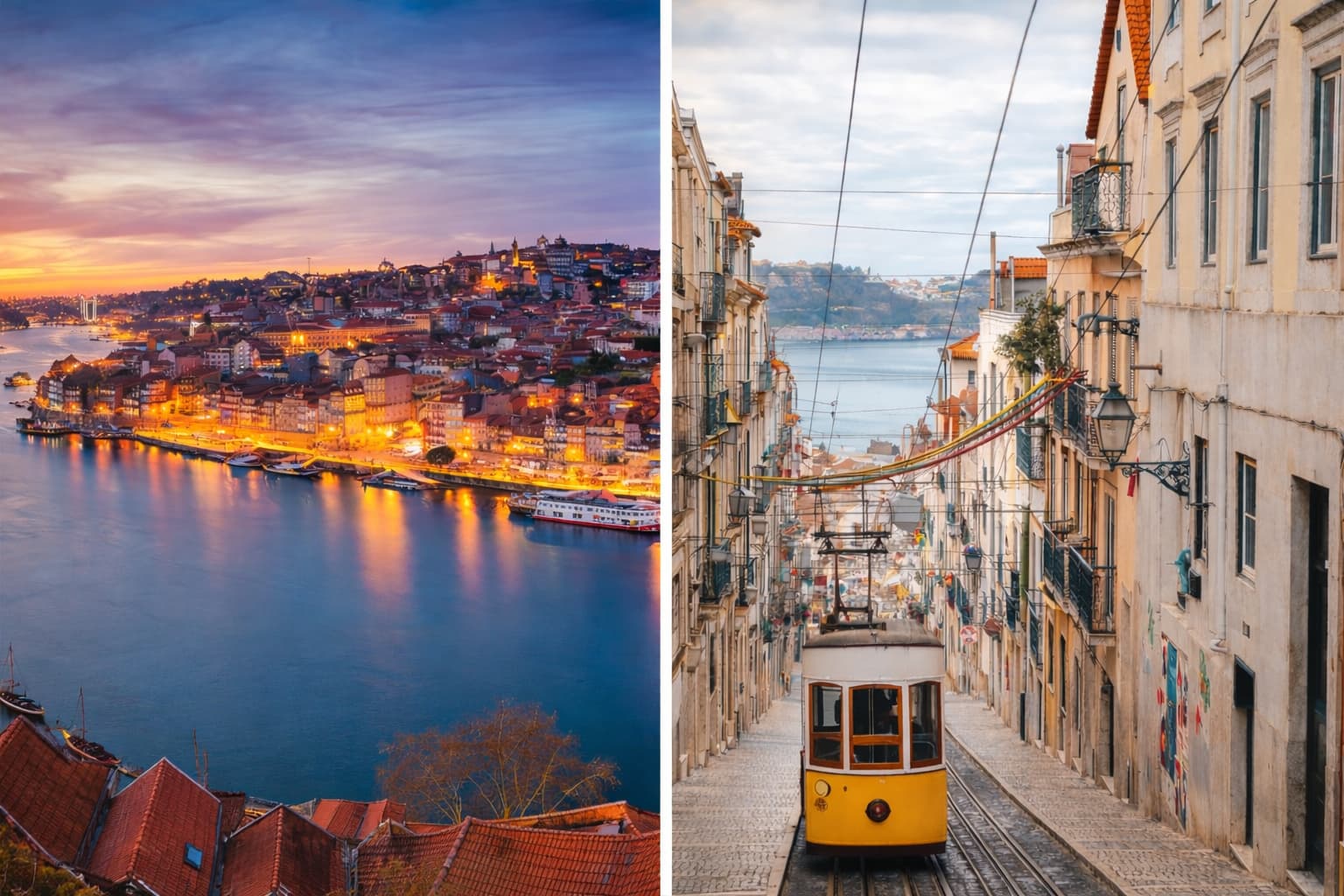
The Quick Personality Test: Porto or Lisbon?
Choose Lisbon if you want:
- bigger city energy and variety
- iconic viewpoints, neighborhoods, and busy streets
- easy access to beaches and day trips
- nightlife that can go late without trying too hard
Choose Porto if you want:
- a more intimate, slower vibe
- cozy food culture and riverside evenings
- wine experiences that feel “built in”
- a city that’s easy to love in 48 hours
If you’re still undecided, keep reading—because the details matter.
Vibe & Atmosphere: What It Feels Like to Be There
Lisbon: sunlight, hills, and constant “let’s go there next”
Lisbon feels wide and open. It spreads out over hills, keeps surprising you with viewpoints, and has the kind of neighborhood variety where a 15-minute walk can feel like a different city.
It’s louder than Porto, more chaotic in parts, and it has that big-capital energy: museums, markets, trendy cafés, day-trip companies, and nightlife zones that keep going after you’ve already decided you’re done.
If you love cities that move, Lisbon is your place.
Porto: moody skies, warm lights, and “stay a little longer”
Porto feels like it gathers around you. The streets are narrower. The river pulls you back. Evenings feel cinematic—especially when the lights turn on and the Douro starts reflecting everything.
Porto is quieter than Lisbon (generally), and it’s easier to settle into. It’s the kind of city where you find “your” café fast—and then keep returning like you’ve lived there for months.
If you love cities that feel personal, Porto will win you over.
Food: Which City Eats Better?
Here’s the honest answer: both—but in different ways.
Lisbon food: seafood variety + snack culture
Lisbon is built for tasting. You’ll bounce between bakeries, small bites, seafood lunches, and casual dinners. It’s very easy to eat well without making reservations or planning too hard.
Lisbon is also where you’ll naturally do “food days” that turn into accidental feasts: a pastry in the morning, seafood at lunch, a little market sampling in the afternoon, and then dinner somewhere you found while wandering.
Porto food: comfort food and commitment
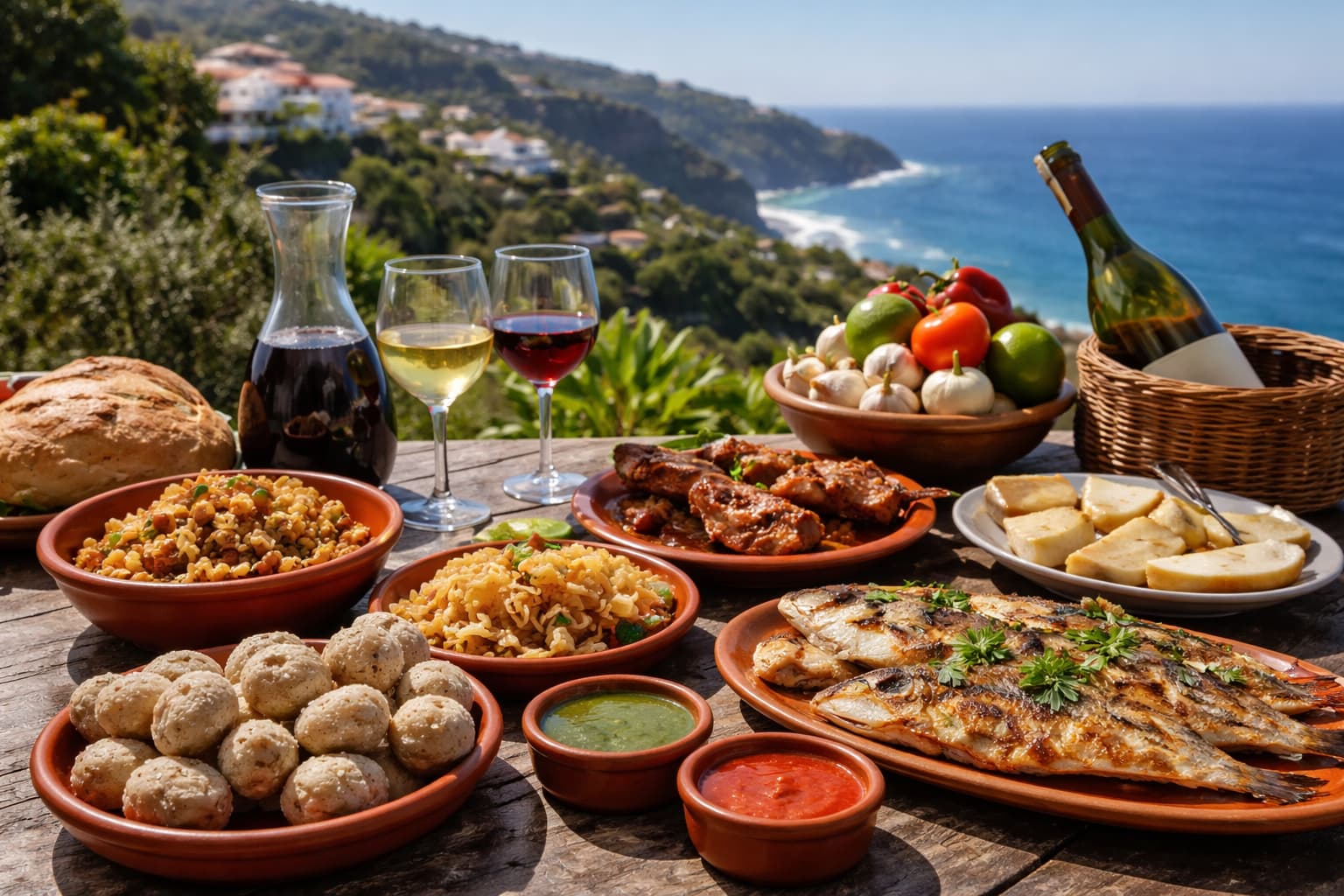
Porto food is richer, heavier, and proud of it. This is the home of the francesinha—the kind of sandwich that makes you cancel your next plan, not because you’re tired, but because your body has decided it needs a slow walk and a long break.
Porto is also where meals feel slower. Riverside dinners hit different here. And if you care about wine culture, Porto makes it effortless.
If you’re a “snack and explore” eater → Lisbon.
If you’re a “sit down and stay” eater → Porto.
Sightseeing & Things to Do
Lisbon: more variety, more neighborhoods, more “big city” options
Lisbon offers classic big-city travel: historic districts, viewpoints, museums, design shops, day tours, and enough neighborhoods to keep you busy for a week.
If you like having endless options—even if you don’t do them all—Lisbon feels exciting.
Porto: fewer “must-see” lists, more “just walk and enjoy”
Porto’s magic is less about checking boxes and more about atmosphere. The historic center, the river, the bridges, the views—Porto doesn’t require much planning to feel good.
If you like low-effort, high-reward travel, Porto is perfect.
Beaches & Nature: Who Wins?
This one is simple.
Lisbon wins for beaches (and it’s not close)
From Lisbon, beach escapes are easy. You can reach ocean air quickly, whether it’s a casual afternoon or a full day.
Porto also has coast nearby, but Lisbon’s access to “classic” day-trip beaches is one of the biggest reasons it’s a first-time favorite.
Day Trips: The Real Tie-Breaker for Many Trips
Best day trips from Lisbon
Lisbon is a day-trip machine. You can do castles, coastal towns, viewpoints, and nature without having to change hotels.
Best day trips from Porto
Porto’s day trips tend to feel more “slow travel”: wine regions, scenic drives, riverside viewpoints, and countryside experiences.
So the question becomes:
Do you want variety and landmarks (Lisbon)?
Or do you want scenery and wine-country vibes (Porto)?
Price & Budget: Which City Is Cheaper?
Both can be done on a budget or done in a “treat yourself” way.
That said, travellers often find Porto a bit easier on the wallet in day-to-day spending—especially for dining—while Lisbon has more “capital city pricing” in certain areas.
If budget is tight and you’re picking one: Porto can feel more forgiving.
Getting Around: Which Is Easier?
Porto is easier to navigate
Porto feels smaller and simpler. You can walk a lot, and you’ll get your bearings quickly.
Lisbon requires slightly more strategy
Lisbon’s hills and spread-out neighborhoods mean you’ll likely use a mix of walking + transport, and you’ll feel the scale more.
If you want a city that feels effortless: Porto.
How Many Days Do You Need?
If you’re visiting just one city:
- Lisbon: 3–5 days (because it’s bigger + day trips)
- Porto: 2–4 days (because it’s compact + cozy)
If you’re doing both:
- Ideal: 6–9 days total
- Minimum (still enjoyable): 5 days (but it’ll feel fast)
The Best Option: Do Both (Without Overplanning)
If your schedule allows, the best Portugal trip often looks like this:
Lisbon (3–4 days)
→ Porto (2–3 days)
→ optionally add a coastal or countryside leg (that’s where the trip levels up)
If you’re mostly city-hopping, trains are easy. But if you want those “we stopped because the view looked good” moments, a car opens up the in-between places that make Portugal feel real.
That’s also the most natural way to weave in a car rental without making it a “car rental post”:
Use Lisbon and Porto as your city anchors, then pick up a car for the extra layer—coast, villages, viewpoints, day trips that aren’t crowded.
If you’re comparing options for that road-trip part, VerusCars is a practical way to check what’s available for your exact dates and route.
So… Porto or Lisbon?
Pick Lisbon if your ideal trip is:
- sunny, varied, energetic, with beaches and day trips built in.
Pick Porto if your ideal trip is:
- cozy, romantic, food-and-wine focused, and slower by design.
And if you can swing it: do both. Portugal is small enough that this isn’t a “once in a lifetime” decision—it’s a “why not both” country.