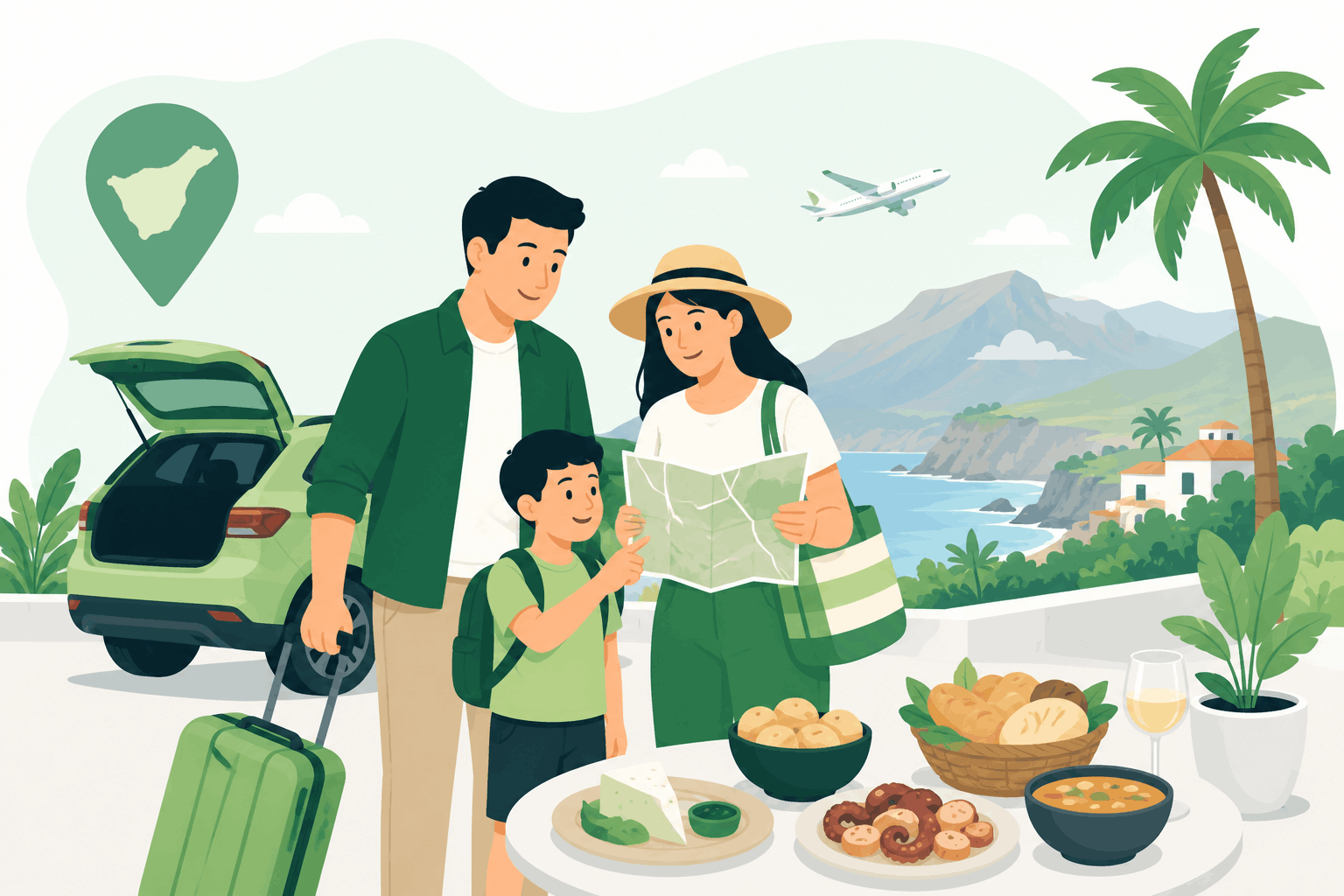
Essential Canarian Flavours to Know Before You Order
A few flavour signatures appear repeatedly across Tenerife menus. The most famous are papas arrugadas (wrinkled potatoes) served with mojo rojo or mojo verde, sauces that deliver intensity through peppers, garlic, herbs, oil, and vinegar. These sauces are not a side detail; they are the backbone of many meals and are often used with fish, meat, and vegetables.
Another defining ingredient is gofio, a toasted flour traditionally made from grains such as corn. It appears in savoury forms and desserts, and it is one of the clearest signals that you are eating distinctly Canarian food rather than mainland Spanish cuisine.
When you read “ropa vieja,” expect a comforting stew-like plate typically featuring shredded meat, chickpeas, and vegetables. This is a practical, heritage dish that suits the island’s preference for nourishing, shareable food.
Must-Try Tenerife Dishes: A Practical Checklist
If you want a focused tasting plan, prioritise the dishes that appear across the island but vary subtly by region and venue. Start with papas arrugadas con mojo, then look for fresh fish preparations that reflect the day’s catch. Many restaurants keep the approach simple, letting quality and seasoning carry the plate.
Add one or two traditional comfort options such as ropa vieja and a dish featuring local pork, which is common in rustic settings. Pair these with vegetables when available; Tenerife’s climate supports excellent produce, and volcanic soils contribute to strong flavours in seasonal ingredients.
Finish with a dessert connected to local staples. Guides frequently highlight sweets that incorporate gofio or island-style pudding textures, offering a clearer sense of place than generic international desserts.
Guachinches: The Tenerife Dining Tradition Travellers Miss
To understand Tenerife beyond hotel corridors, plan at least one meal at a guachinche. Guachinches emerged as places where farmers and winemakers sold their homemade wine with straightforward, traditional dishes. Today they remain one of the most authentic ways to experience the island’s food culture, especially in the north.
The format is typically informal and focused: a short menu, generous portions, and wine that is produced by the establishment or tied to local producers. This is not where you go for extensive wine lists or intricate tasting menus. It is where you go to taste Tenerife as locals recognise it—seasoned, direct, and rooted in agriculture.
Because guachinches are often scattered across rural areas, they pair naturally with daytime explorations of villages, viewpoints, and vineyards. Many travellers build their most memorable meals around these settings rather than around the better-known tourist strips.
Markets in Tenerife: Where to Taste the Island in One Morning
Food markets are the most efficient way to learn Tenerife’s ingredients and everyday rhythm. In Santa Cruz, the Mercado de Nuestra Señora de África is widely recognised as a central market where visitors can browse fruit and vegetables, meat, fish, breads, and specialty goods in a single stop.
Arrive earlier for the fullest selection and the clearest view of daily shopping routines. Focus on seasonal fruit, local cheeses, and fish counters to understand what restaurants are likely sourcing. Markets also provide a practical lunch strategy: assemble a simple tasting with produce, bread, and ready-to-eat items, then reserve restaurant meals for dishes that require skilled preparation.
Beyond Santa Cruz, Tenerife has a broader market culture that includes street markets and regional options, useful for travellers staying outside the capital.
Tenerife Wine: Volcanic Character and Designations of Origin
Tenerife’s wine scene is a serious reason to travel, not a secondary activity. Volcanic soils, altitude variation, and Atlantic influence produce bottles with distinct profiles and strong regional identity. One of the key local references is the Tacoronte–Acentejo designation of origin, notable for being the first authorised DO in the Canary Islands (1992) and for covering multiple municipalities across the island’s northern slope.
Wine-focused travellers should treat the north as a priority, especially if you want tastings connected to tradition rather than purely commercial visitor experiences. A structured approach is to combine a market morning, a scenic drive, and an afternoon tasting, then finish with dinner at a guachinche where the wine component is integral to the meal.
If you prefer guided planning, wine-tour resources commonly highlight routes that connect leading areas such as Tacoronte and the Orotava side of the island, often with practical guidance on booking tastings.
Mid-Trip Logistics: Why a Car Unlocks Tenerife’s Best Eating
Many of Tenerife’s most rewarding food stops sit outside walkable resort zones: hillside vineyards, rural guachinches, and village eateries that prioritise local clients. If your itinerary includes the north and interior, a car significantly widens your options and reduces dependency on limited public transport schedules, especially for evening dining.
If you want to keep costs controlled, a car rental comparison is often the simplest way to match vehicle type to route plan (north coast drives, mountain access, short urban hops) while checking insurance terms and deposit policies in one place. Compare car rental options before your food itinerary day trips, then reserve the model that best fits your route and luggage needs.
Where to Eat in Tenerife by Area: A Clear Planning Framework
Santa Cruz de Tenerife suits travellers who enjoy markets, casual dining, and an urban food rhythm. Start with the central market, then use the afternoon for cafés and modern restaurants, reserving evenings for more deliberate dining.
La Laguna works well for a slower, historic setting and a strong selection of local dining, often with a student-city energy that supports good-value menus. Pair it with tastings from nearby wine areas if you plan a dedicated day.
North Tenerife (Tacoronte, La Orotava side, rural villages) is the heartland for guachinches and many traditional plates, with wine culture woven into dining. This is the area to prioritise if authenticity is your main criterion.
South Tenerife offers convenience and reliable restaurant infrastructure, especially for travellers focused on beach time. Food quality varies more, so it is wise to target places that emphasise Canarian dishes rather than generic menus.
How to Order Like a Local: Practical Dining Etiquette
Tenerife dining is generally social and unhurried. Shareable plates are common, and it is normal to build a meal gradually rather than ordering everything at once. If you are travelling as a pair or group, consider selecting a mix: one or two classics (papas with mojo), one protein-focused dish (fish or pork), and one comfort plate (stew-style).
When exploring guachinches, keep expectations aligned with the concept: short menus, a focus on the house wine, and food designed to complement it. This approach is not a limitation; it is the point of the experience and a reason these venues remain culturally significant.
Suggested 3-Day Tenerife Food Itinerary
Day 1: Santa Cruz market and city dining
Begin at Mercado de Nuestra Señora de África for produce, fish counters, and local specialties, then transition to a restaurant meal that highlights traditional sauces and seafood techniques.
Day 2: North Tenerife guachinche route
Plan a scenic drive through northern municipalities and target one guachinche meal. Keep the day flexible, as timing and availability can vary by venue and season.
Day 3: Volcanic wines and regional pairings
Book a tasting connected to a recognised wine area such as Tacoronte–Acentejo, then finish with a dinner that complements the wines you explored, reinforcing the connection between agriculture and table.
Final Notes: How to Make Tenerife Food & Drink the Highlight of Your Trip
Tenerife rewards travellers who treat eating as exploration rather than routine. The fastest route to memorable meals is not an endless list of “best restaurants,” but a clear structure: one market morning, one guachinche experience, and one wine-focused day built around volcanic terroir.
Prioritise places that keep Canarian identity visible through sauces, traditional staples like gofio, and locally rooted wine. With that approach, even a short stay can deliver a coherent culinary story—one that is unmistakably Tenerife.