Tenerife dining map for travelers
Tenerife is not a single dining district. The south concentrates large hotels and tourist demand, while the north and metropolitan area often deliver stronger local character and higher consistency for traditional cuisine. Santa Cruz de Tenerife and San Cristóbal de La Laguna provide broad choice and better access to modern Spanish cooking. Coastal towns in the north are notable for fish and simpler menus. Rural interiors tend to excel at meat, stews, and seasonal produce.
For travelers building a restaurant-focused itinerary, distance planning matters. Driving from the southern resorts to La Laguna or the northern coast is feasible, but it requires structured timing, especially for dinner reservations. If the goal is to visit several top restaurants across the island, transport flexibility becomes a meaningful factor.
How this list helps you choose the right restaurants in Tenerife
A “top restaurants” article is only useful if it reduces uncertainty. To ensure each recommendation is actionable, the list is structured around three decision points: cuisine type, location practicality, and the best ordering strategy. Travelers are often disappointed not because the restaurant is poor, but because it does not match expectations. A seafood-focused restaurant can be excellent yet disappointing to a visitor looking for modern tasting menus. Similarly, a fine dining experience may be unnecessary if the priority is quick, high-quality local food.
The following entries are written to minimize that mismatch. Each section states why the restaurant is notable and what a traveler should do to get the best outcome.
1) MB at The Ritz-Carlton Tenerife, Abama (Guía de Isora)
MB is a benchmark for high-end dining in Tenerife and one of the island’s strongest choices for a special occasion. The menu is built around refined technique, structured tasting sequences, and a strong wine program. This is not a casual meal; it is an experience defined by pacing, service precision, and a controlled atmosphere.
Why visit: MB offers a high-consistency fine dining framework, which is particularly valuable for travelers who want a reliable “anchor” dinner in their itinerary. It is also a practical choice for visitors staying in the southwest and seeking a premium restaurant without crossing the island.
Ordering strategy: prioritize the tasting menu format and consider pairing options if you are comfortable exploring Spanish and Canarian wine profiles. This is the type of venue where the kitchen’s recommended sequence usually provides the best value.
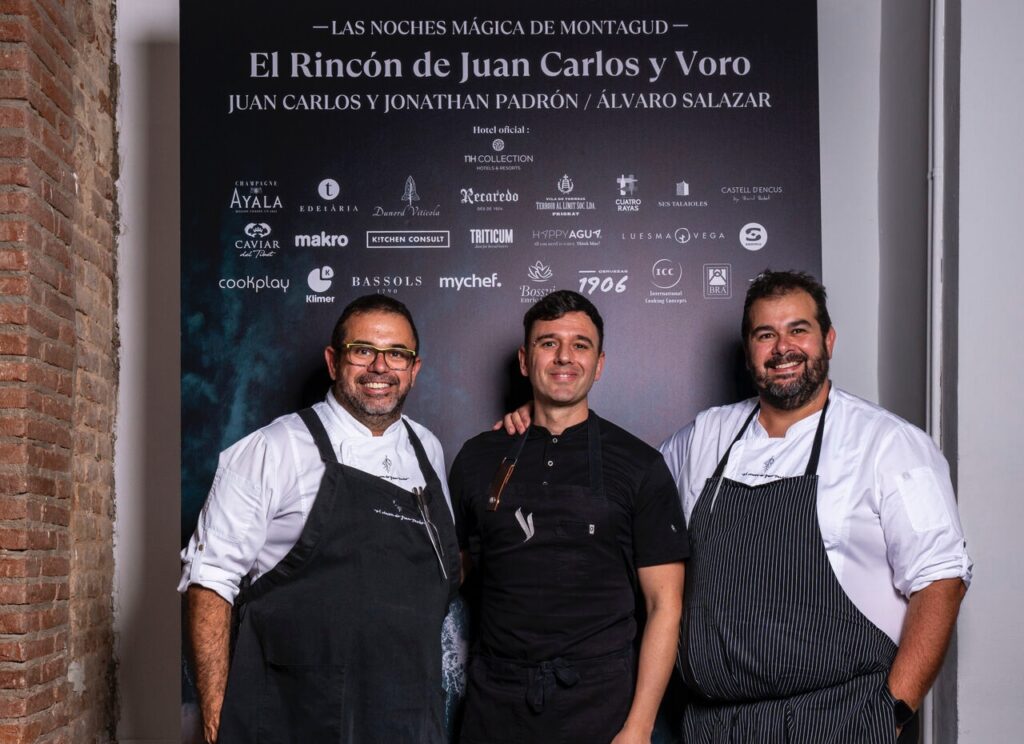
2) El Rincón de Juan Carlos (Los Cristianos / Arona)
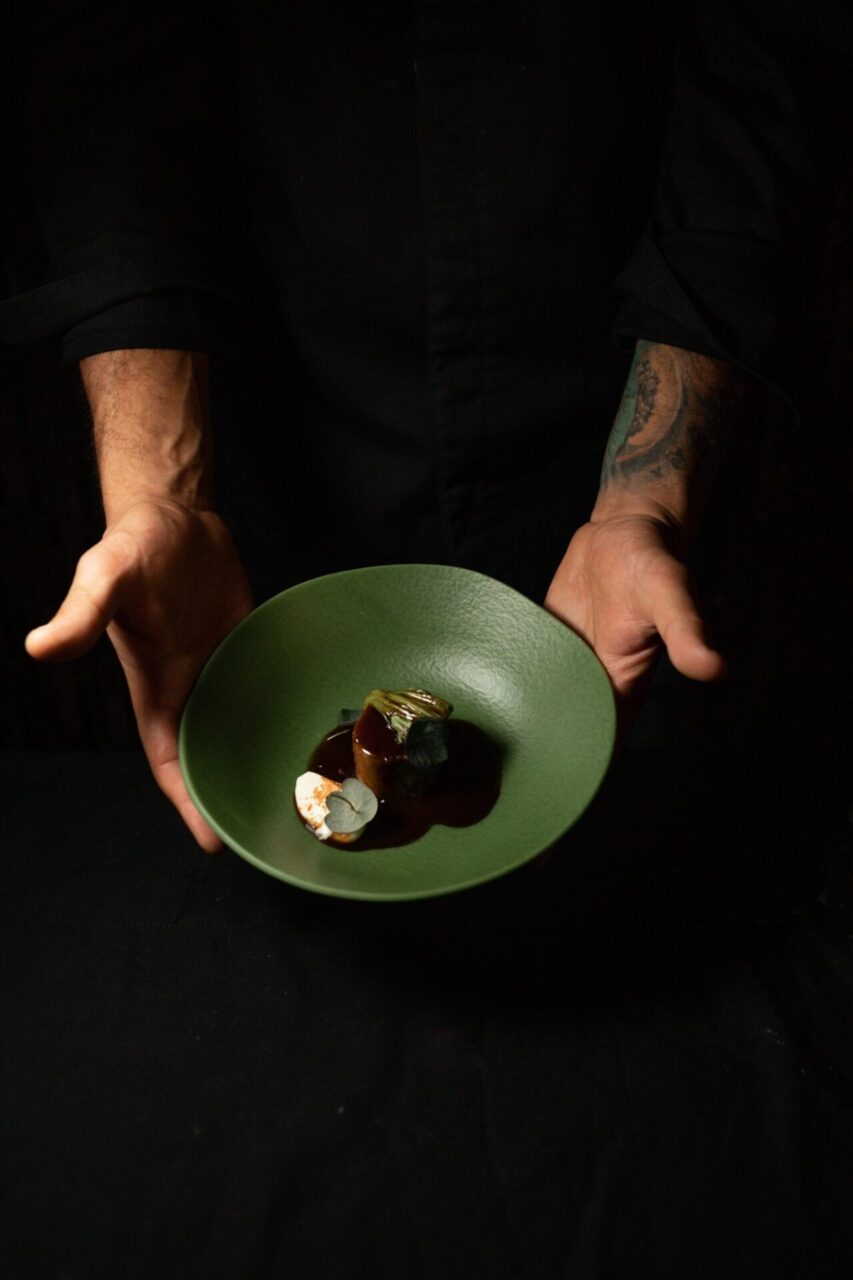
El Rincón de Juan Carlos is widely associated with contemporary Spanish fine dining and is relevant for travelers who want creative cuisine without losing connection to local ingredients. The restaurant’s strength is its balance between technique and product quality, with menus that typically emphasize seasonal structure and modern presentation.
Why visit: it is one of the most notable “destination restaurants” in the south. That matters because many visitors stay near Costa Adeje or Los Cristianos and prefer not to spend an entire evening traveling north.
Ordering strategy: choose a tasting menu and allow time. For travelers, the best experience usually comes from committing to the full menu rather than ordering a limited selection.
3) San Hô (Adeje)
San Hô provides a modern, international approach, often blending Asian and Latin influences with high-end execution. This restaurant fits travelers who want a luxury experience that feels different from traditional Canarian cuisine while still maintaining ingredient quality and service standards.
Why visit: it is a strong option for visitors looking for a modern concept in the south, particularly those who have already tried traditional restaurants and want variation.
Ordering strategy: focus on the tasting path or the chef’s recommended sequence rather than building a meal from single dishes. This typically improves coherence and pacing, which is central to the concept.
Planning note: visiting multiple top Tenerife restaurants often requires a car
Many of Tenerife’s most relevant restaurants are not concentrated in one walkable area. Travelers who intend to combine a southern base with visits to Santa Cruz, La Laguna, or the north coast often benefit from flexible transportation. If you want to plan a route that covers several restaurants across different zones without overpaying for taxis or depending on limited schedules, comparing rental options can be a practical step.
Compare car here prices for Tenerife here>>
This can help optimize pickup locations (airport vs city), daily pricing, and cancellation terms, which is important during peak travel seasons.
4) Casa Juan (La Caleta, Adeje)
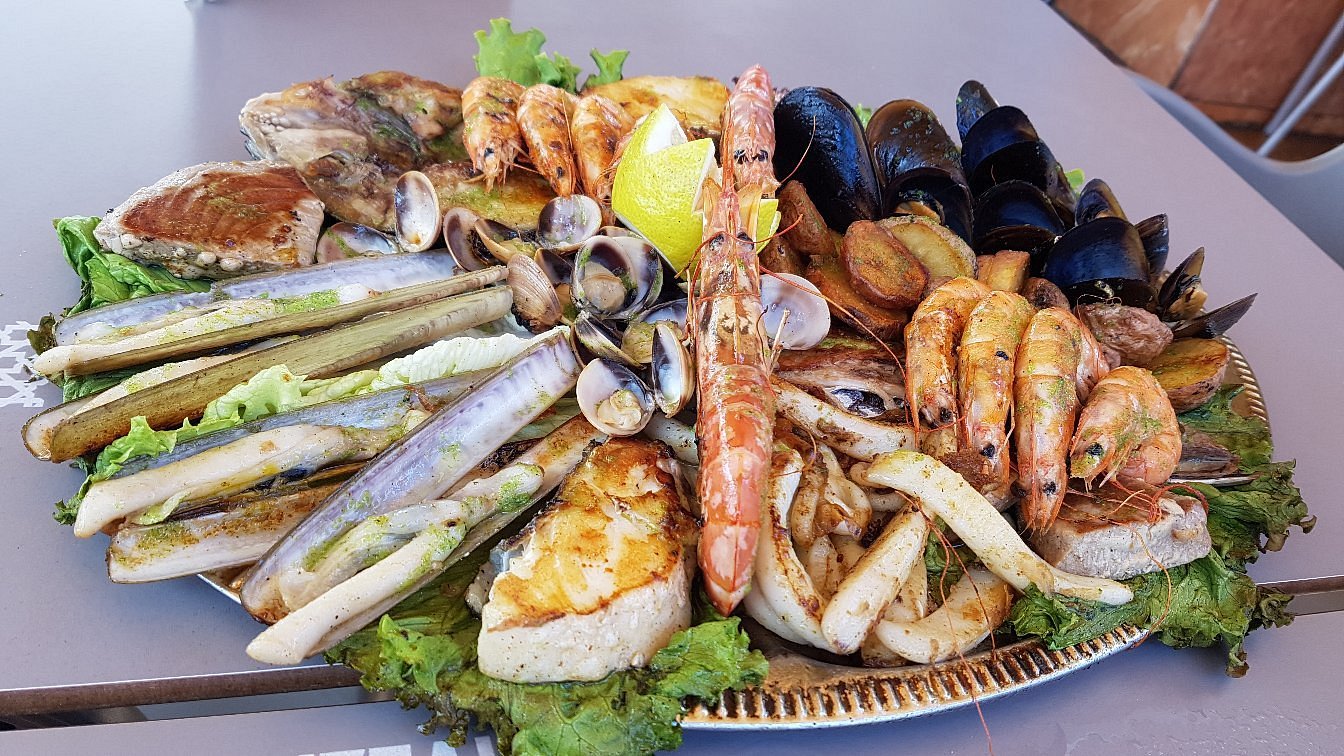
Casa Juan is a well-established choice in La Caleta for seafood-focused dining, especially for travelers who value product-driven cooking and a classic restaurant format. The appeal is clarity: the menu typically prioritizes fish and shellfish, prepared in ways that highlight freshness.
Why visit: La Caleta is a convenient dining area for many travelers staying in upscale southern resorts. Casa Juan provides a reliable “seafood evening” without the uncertainty of more experimental menus.
Ordering strategy: request recommendations based on the day’s catch. If you prefer simplicity, grilled preparations are usually the best route. Confirm pricing if ordering fish by weight to avoid misunderstandings.
5) La Hierbita (Santa Cruz de Tenerife)
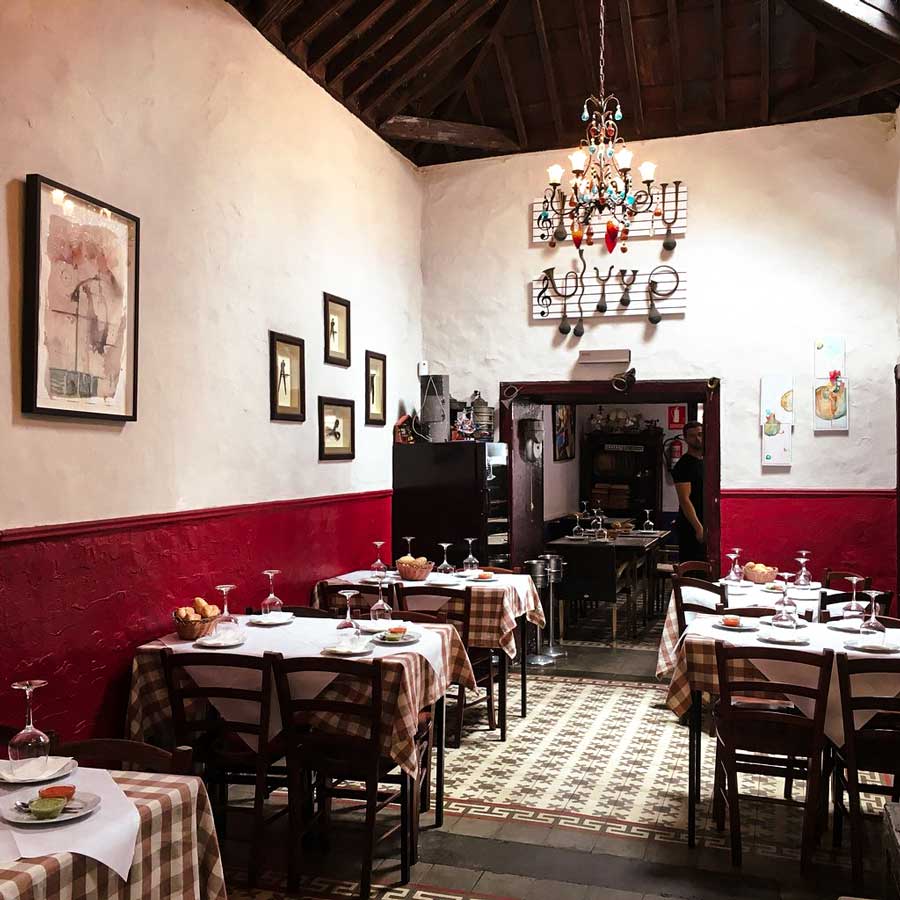
La Hierbita is a useful reference point for travelers who want traditional Canarian food in a central location. Santa Cruz dining often rewards visitors who step away from the most tourist-facing areas, and La Hierbita is a frequent choice for classic dishes in a comfortable setting.
Why visit: it is well-suited for travelers who want local cuisine without complex planning. Santa Cruz also pairs naturally with daytime exploration, making this a strong lunch option.
Ordering strategy: focus on Canarian staples. Dishes such as papas arrugadas with mojo, local cheeses, and stews provide the most representative experience. Consider sharing several starters to sample the range.
6) Tasca El Obispado (La Laguna)
La Laguna is one of Tenerife’s most enjoyable towns for structured exploration, and Tasca El Obispado works well as a restaurant stop within a walking itinerary. The tasca format typically supports smaller plates and a relaxed pace, which is practical for travelers who want quality food without committing to a long fine dining schedule.
Why visit: it allows you to combine cultural sightseeing in La Laguna with a meal that still feels distinctly local and well-prepared.
Ordering strategy: share plates and include regional wines if available. This type of venue is best when approached as a tasting opportunity rather than a single main-course format.
7) Restaurante El Cine (Los Cristianos)
El Cine is relevant because it represents the type of place travelers often remember: a straightforward seafood restaurant where the value is freshness and speed rather than design. It is not positioned as fine dining, but it is meaningful for visitors who want a high-confidence seafood lunch near the coast.
Why visit: it fits a beach-day schedule and delivers a classic Tenerife seafood experience without unnecessary complexity.
Ordering strategy: keep it simple. Fried fish, grilled options, and local seafood plates tend to be the strongest choices. Visit earlier for lunch to reduce waiting time.
8) Bodegón El Puntero (La Laguna)
Bodegón El Puntero is a practical choice for traditional Canarian food and a helpful option for travelers who want authenticity with predictable quality. The menu often emphasizes local specialties, making it a good place to understand the island’s culinary identity beyond seafood.
Why visit: it supports a classic “La Laguna day” itinerary and provides a broad introduction to local dishes.
Ordering strategy: choose a combination of starters and regional mains. This approach provides more cultural context than selecting one dish in isolation.
9) El Cordero (Las Lagunetas / near La Laguna)
For travelers interested in the interior, El Cordero is a notable stop associated with rustic Canarian cooking and meat-focused meals. The environment typically feels more rural, which complements the food style. This is the kind of restaurant that fits well after exploring higher-elevation areas or planning a scenic route.
Why visit: it expands your Tenerife experience beyond coastal dining, offering a stronger connection to interior traditions and hearty cooking.
Ordering strategy: prioritize house specialties and shared mains. This is a venue where portions and comfort-style dishes are often central to the experience.
10) La Casona del Vino (El Sauzal)
El Sauzal is a strong area for travelers exploring the north, and La Casona del Vino is relevant for combining food with regional wine culture. The north is often less resort-driven and can feel more representative of local daily life. A restaurant that integrates wine and traditional cuisine supports a deeper understanding of Tenerife’s agricultural identity.
Why visit: it aligns well with a north-coast itinerary and provides a setting that suits travelers looking for slower, more contextual dining.
Ordering strategy: pair traditional dishes with local wines when available. If you are new to Canarian wines, ask for guidance and choose a style that fits your meal.
When to reserve restaurants in Tenerife
Reservations matter most in two scenarios: fine dining, and peak-season evenings in the south. For MB, El Rincón de Juan Carlos, and San Hô, booking in advance is a practical requirement rather than a suggestion. For classic restaurants and tascas, reservations can still help, particularly on weekends.
A useful planning pattern is to place your highest-priority restaurant early in the trip. This reduces the risk of schedule changes or full bookings and provides a strong reference point for the rest of your dining decisions.
Where to stay in Tenerife if restaurants are a priority
If dining is a primary purpose of the trip, location selection can simplify logistics. Travelers who stay in the south will find it easier to access the luxury segment and popular coastal seafood options. Travelers who split time or stay closer to Santa Cruz or La Laguna gain stronger access to metropolitan dining and traditional tascas.
A balanced approach is to base in one zone and schedule two or three “destination meal” outings in other areas. This avoids daily cross-island travel while still covering the best variety.
Practical dining tips for Tenerife travelers
Menu clarity varies. For seafood sold by weight, confirm pricing. For fine dining, allow time; do not schedule tightly between activities. For traditional restaurants, consider ordering several shared plates to maximize variety. Tenerife also rewards travelers who explore local wines; even a basic pairing can elevate a meal when matched properly.
Payment is generally straightforward, but carrying a backup card is useful. Also consider that many restaurants are busiest during local dining hours, which may be later than some visitors expect.
Conclusion: how to use this list effectively
Tenerife’s best dining experiences come from matching restaurant choice to itinerary structure. Use the first three restaurants for special occasions or premium experiences, and use the traditional and seafood-focused options to build authentic daily meals. If you plan to cover multiple areas of the island, transportation flexibility improves efficiency and reduces friction between restaurant visits.
For travelers aiming to explore several regions while keeping scheduling simple, a rental car can be a practical tool. If you want to compare options quickly before committing, use the link below:
Compare car rental prices for Tenerife here: https://veruscars.com