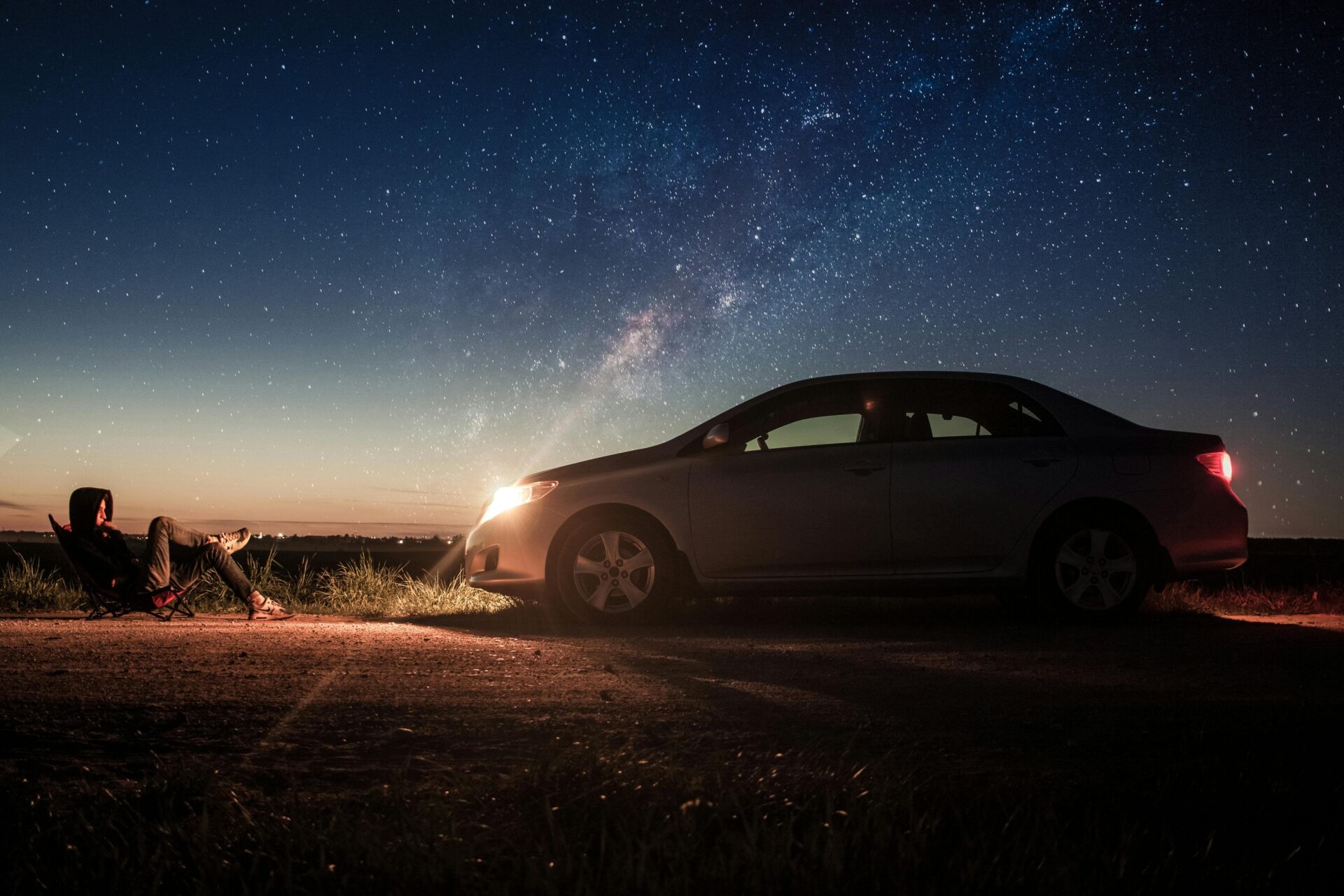
But a great Europe road trip starts with two things:
- Choosing the right route for your time and comfort level, and
- Renting the right car with the right rules—especially when you cross borders.
This guide combines scenic driving routes in Europe with a traveler-first checklist for car rental in Europe, so you can plan smarter and avoid the classic surprises.
This guide combines scenic driving routes in Europe with a traveler-first checklist for car rental in Europe, so you can plan smarter and avoid the classic surprises.
Quick planning checklist (do this before picking a route)
- Trip length: How many driving days do you realistically want? (2–5, 7–10, 14+)
- Season: Summer crowds vs shoulder season bargains.
- Transmission: Automatic is limited and often pricier in Europe—book early.
- City driving: Avoid renting a car for big-city days (parking + zones + stress).
- Border crossings: Check cross-border permission and fees before paying.
- Tolls & zones: Know whether your route has toll roads and low-emission zones.
Best scenic driving routes in Europe (with practical stops)
Below are five proven, high-reward road trips—each adaptable to 3–14 days.
1) Portugal’s Atlantic Coast Road Trip (Lisbon → Porto → Douro Valley)
Best for: ocean views, food, easy driving, short distances
Ideal length: 5–10 days
Highlights:
- Lisbon → Sintra (day trip) → Nazaré (waves) → Porto
- Extend into the Douro Valley for vineyards and river views
Rental tips:
- Pick up the car after Lisbon (parking is tough in the center).
- Consider a compact car—old towns have narrow streets.
2) Spain’s Andalusia Loop (Seville → Ronda → Granada → Málaga)
Best for: culture, mountains, sunsets, warm weather
Ideal length: 5–9 days
Highlights:
- Seville → Ronda (dramatic cliffs) → Granada (Alhambra) → Málaga/Costa del Sol
Rental tips:
- Watch for one-way streets and tight parking in old quarters.
- If traveling in summer, a car with strong A/C is not optional.
3) Italy’s Dolomites Scenic Drive (Bolzano → Val Gardena → Cortina)
Best for: alpine landscapes, hiking, photogenic roads
Ideal length: 4–8 days
Highlights:
- Great Dolomites Road and iconic passes (season-dependent)
- Lakes and viewpoints around Cortina d’Ampezzo
Rental tips:
- In mountain regions, choose a car with good power for climbs.
- Check seasonal road closures and weather; shoulder seasons can change fast.
4) France’s Provence & Riviera (Avignon → Gordes → Nice)
Best for: villages, lavender season, art towns, coastal drives
Ideal length: 5–10 days
Highlights:
- Luberon villages → Verdon Gorge → Nice/Menton
Rental tips:
- Avoid driving into central Nice if you can—park outside and use transit.
- Reserve accommodation with parking; it saves time and money.
5) The Classic Alps-to-Lakes Route (Switzerland → Northern Italy)
Best for: dramatic mountains + lakes, postcard scenery
Ideal length: 6–12 days
Highlights:
- Swiss Alps passes (seasonal) → Lake Como / Lake Garda
Rental tips:
- Switzerland has a motorway vignette; confirm whether it’s included.
- Cross-border rentals can require written permission or added coverage.
Route picker: choose the best Europe road trip fast
Use this quick overview to match a route to your time, season, and driving comfort level.
| Route |
Ideal length |
Best season |
Driving difficulty |
Best for |
Notes |
| Portugal Atlantic Coast + Douro |
5–10 days |
Apr–Jun, Sep–Oct |
Easy |
Food, coast, relaxed pacing |
Short drives, great value |
| Spain Andalusia Loop |
5–9 days |
Mar–Jun, Sep–Nov |
Easy–Medium |
Easy–Medium |
Hot in summer; plan A/C |
| Italy Dolomites |
5–10 days |
May–Jul, Sep |
Easy–Medium |
Villages + coast |
Parking matters in towns |
| France Provence → Riviera |
5–10 days |
May–Jul, Sep |
Easy–Medium |
Villages + coast |
Parking matters in towns |
| Switzerland → Northern Italy |
6–12 days |
Jun–Sep |
Medium |
Mountain + lakes |
Vignettes/tolls + border rules |
Renting a car in Europe: the essential traveler tips
1) Book based on total price, not daily price
A common mistake is comparing only “€X/day.” The real comparison is:
- Total price (including taxes, location fees)
- Deposit amount and payment method rules
- Included mileage, fuel policy, and insurance
Tip: If two offers look similar, choose the one that explains terms more clearly.
2) Fuel policy: full-to-full is usually best
For most travelers, full-to-full is the clearest:
- You receive the car full
- You return it full
Avoid “prepaid fuel” unless you know you’ll return nearly empty and the terms are fair.
3) Deposits and credit cards: read this before you land
In many European locations:
- A credit card in the main driver’s name is expected
- Deposits can be high, especially without full coverage
If you only have a debit card, filter for providers that clearly accept it and read the conditions.
4) Rental car insurance in Europe (simple explanation)
Insurance can feel confusing because the terms vary. Generally, look for:
- Collision/Damage coverage (and the excess/deductible amount)
- Theft coverage
- What is excluded (glass, tires, underbody are common exclusions)
Practical approach: choose a setup where you understand:
- What you’ll pay in the worst case
- How to document the car at pickup/return
5) Cross-border car rental Europe: what to check
If your Europe road trip crosses borders, confirm:
- Is cross-border driving allowed?
- Are there extra fees or required documents?
- Are there restricted countries?
- Are there one-way international drop-off rules?
Tip: Ask for confirmation in writing (or make sure it’s explicit in the rental terms).
6) One-way car rental Europe: when it’s worth it
One-way rentals can be perfect when:
- You want to fly into one city and fly out of another
- You’re combining regions (e.g., France → Italy)
But one-way fees can be significant. Compare:
- One-way fee
- Extra mileage
- Time saved (often worth it)
Driving in Europe tips travelers wish they knew
Low-emission zones and city restrictions
Many European cities have restricted zones. If you plan to drive into a city center, check:
- LEZ rules
- Required stickers/registrations
- Hotel access options
Tolls and vignettes
Europe uses a mix of:
- Pay-per-use toll roads
- Vignettes (prepaid road tax stickers)
Plan for this in your budget—especially on highway-heavy routes.
Parking strategy
The easiest way to reduce stress:
- Park outside old towns
- Use park-and-ride when available
- Book hotels with parking
Documentation: your best “insurance”
Always take photos at pickup and return:
- All sides, wheels, windshield
- Fuel gauge and odometer
- Any existing damage close-up
Sample itineraries (copy/paste)
7-day Europe road trip sample: Andalusia
Day 1–2: Seville
Day 3: Ronda
Day 4–5: Granada
Day 6–7: Málaga + coastal day trip
10-day Europe road trip sample: Portugal Coast + Douro
Day 1–2: Lisbon
Day 3: Sintra + coastal drive
Day 4–5: Nazaré / Aveiro
Day 6–7: Porto
Day 8–10: Douro Valley
Costs to plan for (beyond the rental price)
Even when you find a great base rate, these items can change your total trip cost:
- Tolls & vignettes: Some countries use pay-as-you-go toll roads, others require a vignette (prepaid road tax sticker). Build a buffer into your budget.
- Parking: City centers and popular coastal towns can be pricey; hotels with parking often save money and time.
- Fuel: Prices vary by country; plan for higher costs on highway-heavy itineraries.
- Deposits: Deposits can be significant—especially without full coverage or when using certain card types.
- Extras: Child seats, additional drivers, GPS (often unnecessary), and after-hours pickups.
Country-by-country driving & rental notes (quick rules)
These are practical “check before you go” items that most travelers overlook.
Spain
- Watch for tight old-town streets and limited parking.
- Major cities may have restricted zones; avoid driving into the center.
Portugal
- Easy long-distance driving; great for first-time Europe road trips.
- Some routes include tolls—confirm whether your car uses an electronic toll device.
Italy
- Avoid driving into ZTL restricted zones in historic centers.
- Parking and narrow streets favor smaller cars.
France
- Great motorway network; tolls add up on highway-heavy routes.
- Village parking is usually easier than major coastal cities.
Germany
- Some areas have environmental rules; check city access requirements.
- Highways can be fast; keep right and drive defensively.
Switzerland & Austria
- Often require vignettes for motorways.
- Mountain weather changes quickly—plan flexibility.
Tip: If your route crosses borders, confirm cross-border permission before booking (and keep the confirmation).
Common Europe car rental mistakes (and how to avoid them)
- Comparing only the daily rate → Compare the total checkout price with the same fuel and insurance baseline.
- Not checking card/deposit rules → Ensure the main driver has the required card type in their name.
- Driving into restricted city zones → Park outside and use public transport for city days.
- Assuming cross-border driving is automatic → It often requires permission and may add fees.
- Skipping pickup/return photos → Photos are your strongest protection in damage disputes.
- Booking the wrong car size → Old towns favor compact cars; mountain routes benefit from more power.
- Late arrival without confirming desk hours → Choose locations with clear after-hours procedures.
What is the best country in Europe for a road trip?
It depends on your style. Portugal and Spain are great for easy coastal drives; Italy offers dramatic landscapes; France is ideal for villages and countryside; the Alps are unbeatable for mountain views.
Ready to hit the road? Compare car hire options for your route, check cross-border rules in minutes, and book with clear terms—so your Europe road trip starts smoothly.